

Why David Fincher Said No to Reese Witherspoon—and What It Reveals About Hollywood’s Dark Heart
Reese Witherspoon’s candid confession about being passed over by David Fincher for Gone Girl unravels a web of artistic vision, power dynamics, and the unforgiving nature of casting in Hollywood’s elite circles. What really drives these decisions—and who decides who gets to wear the crown?
 Joseph BennettSeptember 18, 20252 Mins read21

There’s a brutal art to saying no—a kind of silent power wielded behind closed doors, where decisions can make or break careers with a single sentence. When David Fincher passed on Reese Witherspoon for Gone Girl, it was more than a casting choice; it was a cultural punctuation mark that rippled far beyond the audition room. Why did one of Hollywood’s most respected auteurs refuse an actress at the peak of her charm and craft? And what does this refusal whisper about the shadowy hierarchies that govern the business?
Reese’s revelation is a rare glimpse into that opaque world, a world where talent and vision collide but don’t always converge. “It’s not personal,” Fincher reportedly said, but can it ever be anything else when the art of denial is so exquisitely personal?
Behind the Curtain: The Quiet Kingdom of ‘No’
Fincher’s rejection didn’t merely close a door; it opened a vault of questions. How often do these “no’s” reflect artistic integrity, and how often are they veiled judgments—coded decisions layered with bias, fear, or sheer whimsy? Reese, with her undeniable star power and nuanced performances, represents a paradox: beloved yet sometimes boxed into certain expectations.
In refusing her, Fincher carved out a vision that was darker, colder, more merciless—a vision that demanded an entirely different kind of muse. Was it about the actor, the role, or the cultural moment that Gone Girl sought to capture? And if so, what does that say about who gets to shape narratives in Hollywood’s selective spotlight?
The Power to Cast—and to Cast Aside
Casting is not just about finding a face; it’s about conjuring an entire mythos. Witherspoon’s story reminds us that these choices are never neutral. Behind the camera, power is absolute, wielded with an almost surgical precision. When Fincher declined her, he wasn’t just saying no to an actress—he was making a statement about control, identity, and storytelling.
Yet, the refusal also humanizes the myth. As Reese reflected, “I took it as a compliment in a weird way,” revealing a complexity beneath rejection—a resilience, a grudging respect for the unpredictability of creative fate. How many stories like hers remain untold? How many “nos” are the invisible architects of the narratives that do reach us?
The story of Witherspoon and Fincher’s Gone Girl casting is a mirror reflecting Hollywood’s unspoken rules: a place where brilliance can be sidelined, where the shadows often hold more sway than the spotlight. It leaves us wondering—not about who got the role, but who is left out and why.
In the end, isn’t the most compelling drama the one that happens offscreen, in whispered conversations, in decisions never fully explained? The real question may be: what stories are we missing because someone said no?




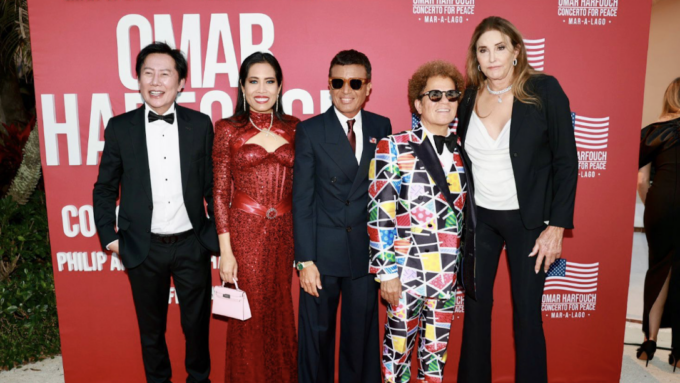
Pianist Omar Harfouch Brings Celebrated Figures Together for a Night of Cultural Exchange – Hollywood Life
Image Credit: Omar Harfouch On February 20, 2026, pianist and cultural figure...
 Kirsten Collins2 Mins read
Who Is Ivana Lisette Ortiz? About the Rihanna Home Shooting Suspect – Hollywood Life
Image Credit: WWD via Getty Images The suspect in the March 8,...
Kirsten Collins1 Mins read
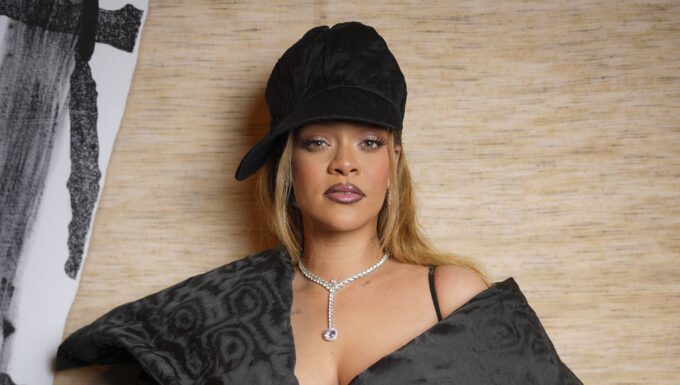
How Much Money Does She Have Now? – Hollywood Life
Image Credit: WWD via Getty Images Rihanna may be known as one...
Kirsten Collins2 Mins read
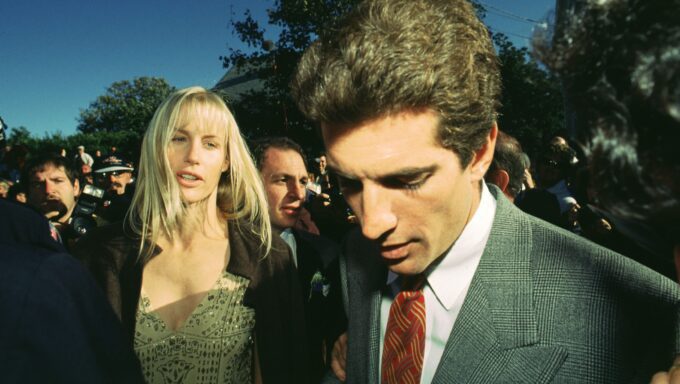
Stars Who Slammed ‘Love Story: JFK Jr. & Carolyn Bessette’: Statements – Hollywood Life
Image Credit: Getty Images FX’s Love Story: John F. Kennedy Jr. and...
Kirsten Collins2 Mins read





Leave a comment