

Yungblud’s “Idols”: Revolution or Reinvention?
With his fourth studio album, Idols, Yungblud throws down a gauntlet—challenging what it means to be a modern icon in a fractured world. But is this his boldest statement yet, or a mirror held up to our restless culture?
 Kirsten CollinsJune 20, 20251 Mins read16
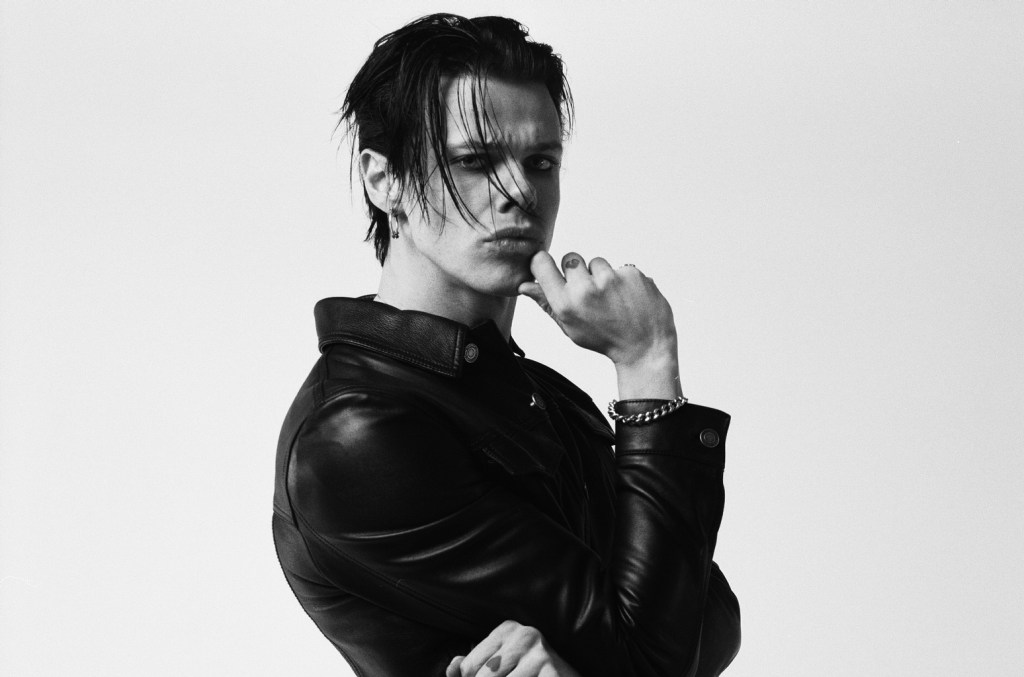
The first chords hit like a confession whispered in a crowded room—raw, urgent, and impossibly intimate. Yungblud’s Idols doesn’t just ask for your attention; it demands your soul. But what does it mean to be an “idol” when everything around us feels fractured, performative, and fleeting?
There’s a tension running through the album—between rebellion and vulnerability, celebrity and authenticity—that mirrors the contradictions of the generation Yungblud speaks for. Is he the voice of a new revolution, or a reflection of a culture endlessly searching for meaning in its own image?
Idols as a Mirror, Not a Monument
Yungblud’s artistry has always thrived on contradiction: punk grit meets pop sensibility, chaos meets control. Idols pushes that boundary even further, tearing apart the mythology of fame while simultaneously indulging in it. The album feels less like a trophy and more like a mirror—one that exposes the fractured realities beneath the surface of idol worship.
He confesses in one track, “Sometimes the brightest lights cast the darkest shadows,” a line that lingers with unsettling clarity. Is this self-awareness a breakthrough or a burden?
The Cult of the Self in a Post-Truth Era
In Idols, Yungblud seems to ask a question that few dare to voice out loud: In an era where every gesture is performative, where does true identity survive? The album thrums with the anxiety of being watched, judged, and mimicked—a cultural fever dream captured in melody and verse.
It’s this restless tension—between self-expression and self-erasure—that makes Idols both compelling and confounding. As the last note fades, one wonders: Are we all searching for idols, or simply trying to become them?





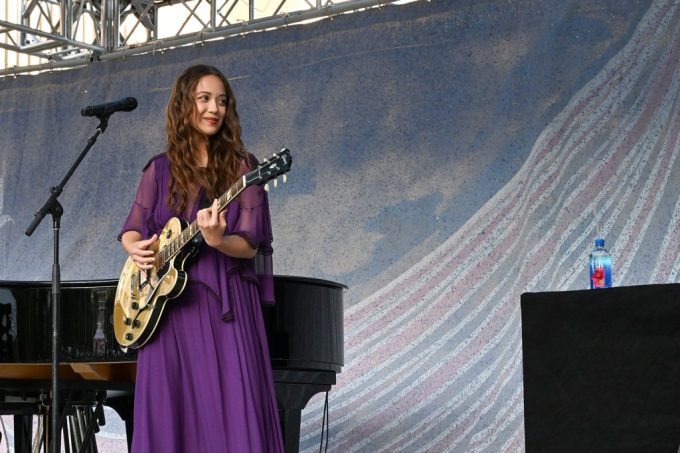
Laufey’s Opening Night Show at LA’s Crypto.com Arena: Best Moments
Laufey opened a two-night stand at Crypto.com Arena in downtown Los Angeles...
 Chris Marks6 Mins read

Julie Adam Is Billboard Canada Women in Music’s 2025 Exec of the Year
Julie Adam is having a milestone year — and it’s getting even...
Chris Marks4 Mins read

Spinal Tap Tribute Album with Foo Fighters,Tool for Teen Cancer America
Spinal Tap may be a fake band, but its music is very...
Chris Marks2 Mins read
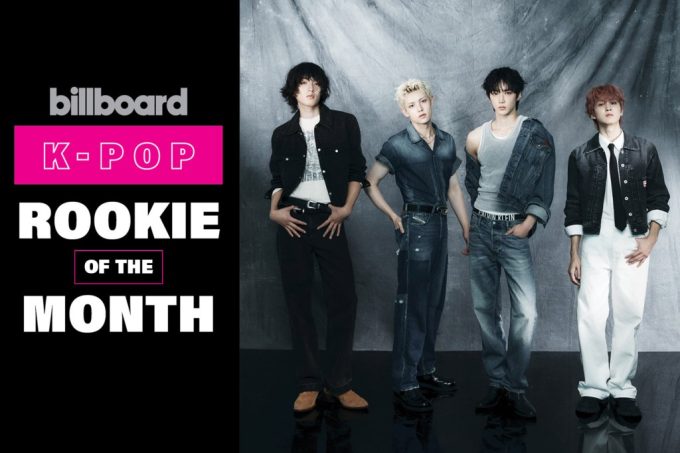
AxMxP Is K-Pop Rookie of the Month for September: Exclusive Photos
Ha Yoo Joon Image Credit: Chin Soyeon You debuted on Sept. 10....
Chris Marks2 Mins read





Leave a comment