

Zayn Malik’s Raw Reveal: Confronting Racism with “Fuchsia Sea”
In his new rap teaser “Fuchsia Sea,” Zayn Malik lays bare the racism he endured as the only South-Asian member of One Direction—forcing listeners to reconsider the veneer of boy-band unity.
 Chris MarksJuly 7, 20251 Mins read14

He wasn’t just singing—he was slicing open a scar we never thought existed in One Direction’s polished image. In the rap-laced preview of “Fuchsia Sea,” Zayn Malik spits, “I worked hard in a white band, and they still laughed at the Asian.” A five-word confession that rattles the foundation of innocent pop nostalgia.
This isn’t lyrical shade—it’s a declaration. At 32, Malik isn’t sidestepping controversy—he’s confronting it.
Pop’s Hidden Color Lines
That line cuts deep: a lonely struggle inside a global sensation. Zayn’s shift to pensive hip-hop—melded with soul, country, and rap—signals more than musical reinvention. It’s reclamation. He’s not just vocalizing angst; he’s decoding silence, pointing out a hyper-visible marginalization even when swept by millions of fans. It begs the question: when the lights dim, who catches the loneliness?
Healing Through Harmonics
The tease arrives on the heels of an emotional performance in Mexico when Zayn sang “Night Changes” for the first time in a decade, a tribute to the late Liam Payne. “It was fucking incredible,” he told the crowd, choking on tears. That vulnerability now dovetails with righteous anger—his music is no longer just an escape, but a reckoning. “Every connotation,” he raps—he’s laying claim to every slur, every exclusion, every unseen bruise.
This isn’t a solo career’s rebirth—it’s an unburied truth banging on the door. As “Fuchsia Sea” swells into our playlists, listeners will weigh nostalgia against accountability. Can pop icons confront their past, or is fame too fragile for such reckonings? Maybe the hardest verse isn’t in the beat—but in the silence before we dare to listen.







Laufey’s Opening Night Show at LA’s Crypto.com Arena: Best Moments
Laufey opened a two-night stand at Crypto.com Arena in downtown Los Angeles...
Chris Marks6 Mins read
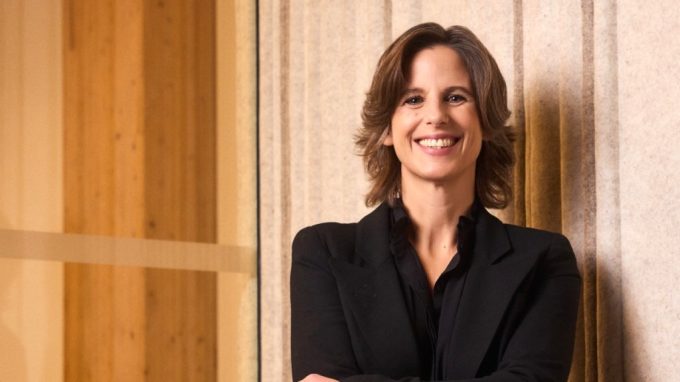
Julie Adam Is Billboard Canada Women in Music’s 2025 Exec of the Year
Julie Adam is having a milestone year — and it’s getting even...
Chris Marks4 Mins read

Spinal Tap Tribute Album with Foo Fighters,Tool for Teen Cancer America
Spinal Tap may be a fake band, but its music is very...
Chris Marks2 Mins read
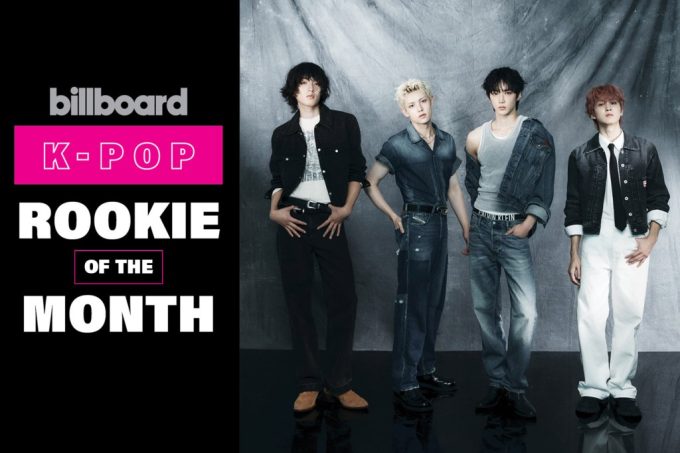
AxMxP Is K-Pop Rookie of the Month for September: Exclusive Photos
Ha Yoo Joon Image Credit: Chin Soyeon You debuted on Sept. 10....
Chris Marks2 Mins read





Leave a comment