

Therapy for the Fox and the Badge
Zootopia 2 opens not with a chase, but a confession—and suddenly, Disney isn’t just animating animals, it’s dissecting the trauma of policing in a post-truth world.
 Krista FreelandJuly 30, 20252 Mins read29
Disney
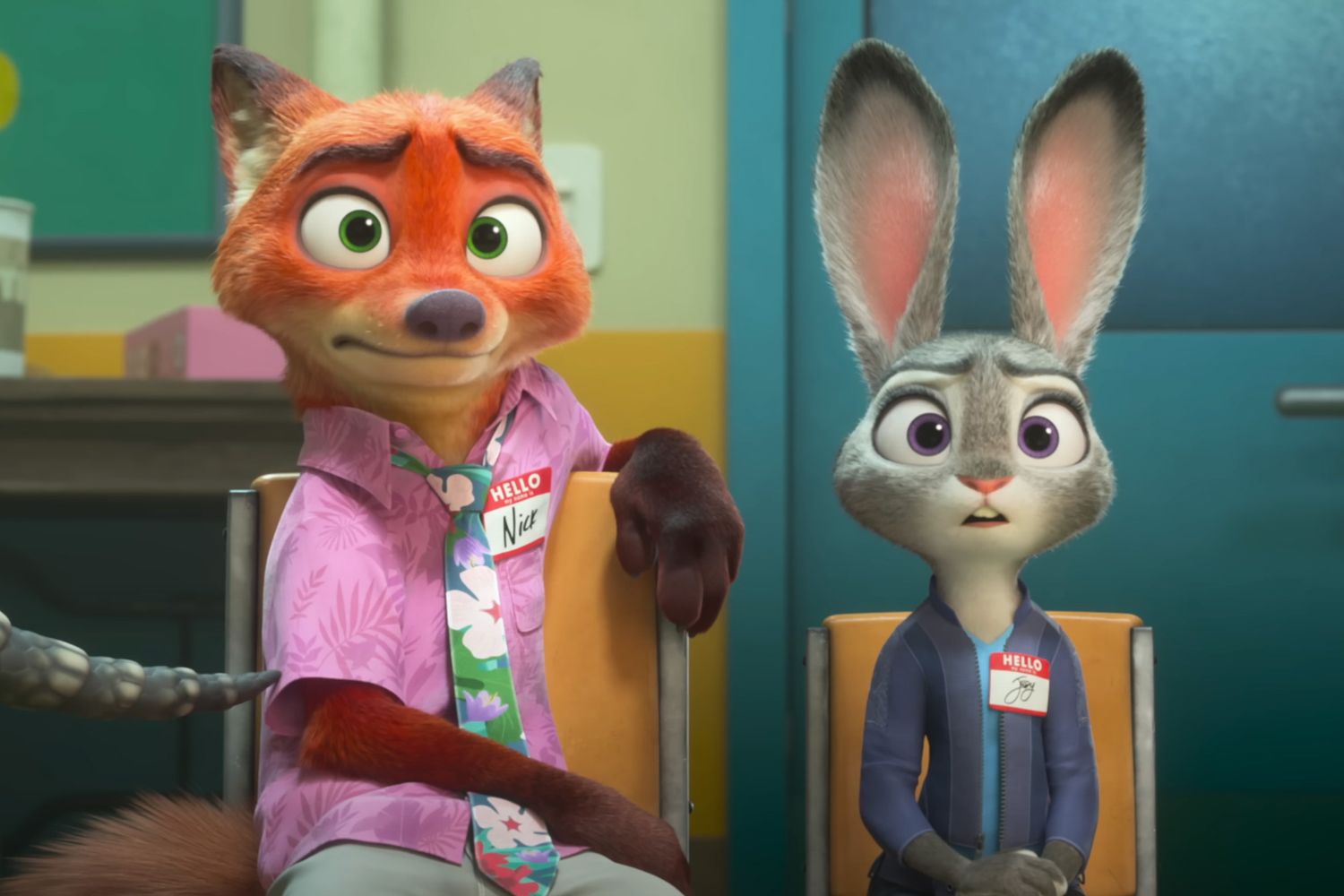
Judy Hopps is sitting across from a therapist. She’s not bleeding, but something in her posture suggests she’s been wounded—deeply, repeatedly, and off-screen. Nick Wilde is there, too, trying not to smirk but also not trying too hard. This is how Zootopia 2 chooses to begin: not with a villain, not with a zany crime, but with two public servants quietly unraveling in a safe space.
It’s disarming. It’s also intentional.
The trailer for the highly anticipated sequel may be polished with Disney’s familiar gloss, but beneath the fur and banter, something is different. There’s a whiff of melancholy. A suggestion that the first film’s optimism didn’t hold. And what we’re watching now isn’t just a sequel—it’s a reckoning.
The Police Are Not Alright
The most radical thing about Zootopia 2 may be its decision to let its heroes sit still. In a cinematic landscape where law enforcement is either glorified or vilified, here we see Judy and Nick simply… exhausted. Their badge no longer a symbol of triumph, but of weight. Responsibility. Reassessment. Therapy becomes the frame, not the punchline.
“Being a cop changes you,” Judy mutters, eyes darting—not in fear, but in memory. And it lands like a truth someone’s been waiting to hear. In the same way the first Zootopia quietly whispered about race and bias through a predator-prey metaphor, this sequel appears to explore another uncomfortable axis: how policing consumes the people who serve.
There’s a cultural sharpness to that choice. In the post-Barbarian era of unpredictable storytelling, and at a time when real-world discussions about law enforcement are steeped in tension, Disney seems to be asking the unaskable—what does it do to a person, or a rabbit, to constantly chase chaos and call it duty?
Behind the Badge, a Mirror
The animation is beautiful, of course. It always is. But beauty in Disney has long been a Trojan horse for harder questions. Zootopia 2 is no exception. In pairing its buddy cop duo with couple’s therapy (masked as professional burnout), it offers a narrative subversion rare in family films: the quiet disintegration of idealism.
The city of Zootopia, once a dazzling utopia of interspecies harmony, now feels less like a dream and more like a system showing its seams. There’s humor, yes—but it’s laced with something quieter, more adult. The tension between partnership and self-preservation. Between mission and identity. Between what we do and what it leaves behind.
Disney, it seems, is letting its characters—and perhaps its audience—grow up.
So much has changed since 2016. But maybe the most startling thing isn’t how different the world is, but how deeply it’s echoed in fiction made for children. The fox is still sly. The bunny still brave. But they are no longer certain.
And maybe that’s the most honest story we can tell right now.




How Much Money the Fighter Makes – Hollywood Life
Image Credit: Zuffa LLC via Getty Images Ronda Rousey is making her...
 Kirsten Collins2 Mins read
How to Watch & More About the Timothée Chalamet Movie – Hollywood Life
Image Credit: GC Images Gwyneth Paltrow and Timothée Chalamet star in the sports...
Kirsten Collins2 Mins read

Meet the Actors Behind the Netflix Series – Hollywood Life
Image Credit: Courtesy of Netflix The Straw Hat Pirates are setting sail...
Kirsten Collins2 Mins read

Release Date, Plot, Cast & More Updates – Hollywood Life
Image Credit: The Hollywood Reporter via Getty Disney is officially bringing Tangled...
Kirsten Collins2 Mins read





Leave a comment