

Timberwolves Topple Warriors: A Breakthrough or a Fleeting Moment?
The Minnesota Timberwolves have stunned the NBA world by eliminating the Golden State Warriors and advancing to the Western Conference Finals. But does this victory signify a shift in power, or was it a perfect storm of timing and circumstance?
 Chris MarksMay 15, 20253 Mins read74
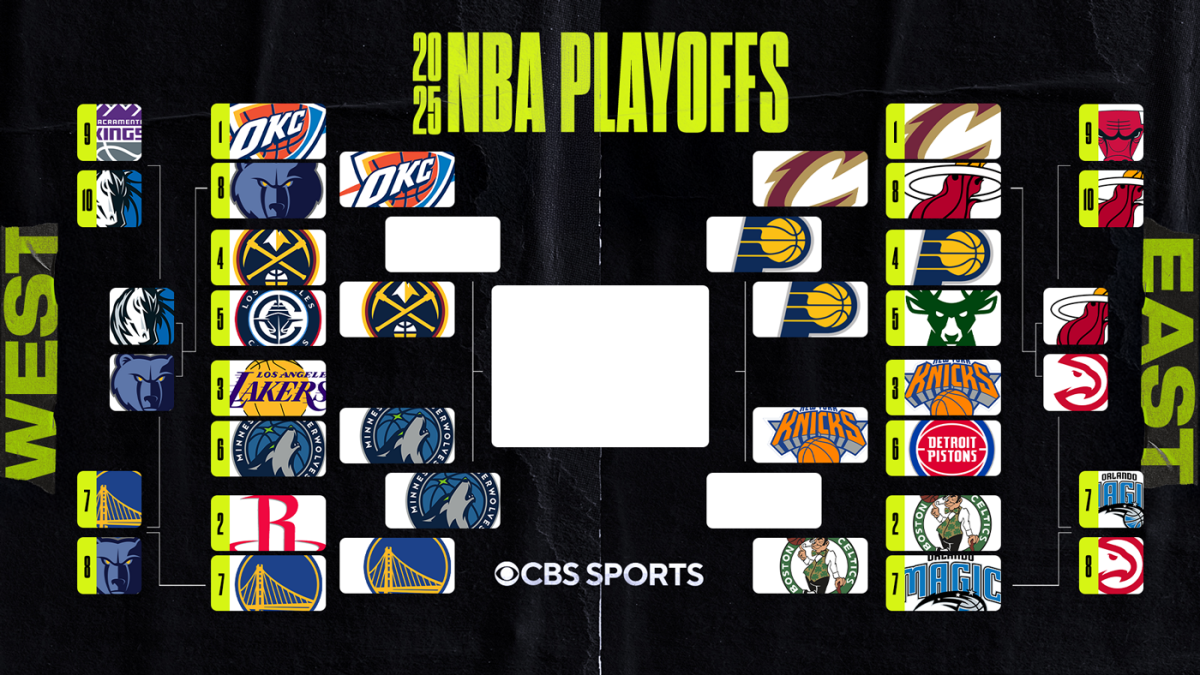
It wasn’t supposed to happen like this. The Golden State Warriors—those dynastic titans—were supposed to be the ones making history, not just this year but for years to come. But as the final buzzer sounded, and the crowd’s roar swallowed the Bay Area, the Timberwolves stood tall, casting off years of underachievement to secure an improbable victory. Now, as Minnesota advances to the Western Conference Finals, the question must be asked: Was this the beginning of a true power shift, or a fleeting blip in the inevitable rise and fall of NBA dynasties?
A Timely Collapse or the End of an Era?
The Warriors’ defeat was not simply about missed shots or lapses in defense—it was about something deeper. Stephen Curry, the Golden State architect, was nowhere near the form we’ve come to expect from him. And while the injuries have been the easy scapegoat, the real question is whether the Warriors’ era was already showing signs of decay before the injury bug bit. In a way, the Curry injury merely accelerated a process that was already happening: the evolution of the NBA away from one franchise’s dominance and toward an era where fresh talent and hungry teams might finally catch up.
Golden State had it all—the leadership, the championship pedigree, and a hall-of-fame player at the helm. But what if this loss wasn’t just about the Warriors faltering? What if it was the NBA finally leveling the playing field?
Minnesota’s Moment: Fortune or Talent?
It’s impossible to ignore how the Timberwolves have capitalized on the Warriors’ weaknesses. Anthony Edwards, Julius Randle, and the rest of the Wolves’ rising stars have turned heads with their poise and explosive performance. But was it their skill that carried them to this victory, or was it simply the perfect storm of Curry’s injury and a Golden State team stumbling under the pressure of its own expectations?
This victory may be more about what’s crumbling in the NBA than what’s being built up in Minnesota. The Timberwolves are rising stars, yes—but they were gifted a pivotal moment in NBA history that many feel they could have easily missed. Could their road to the Finals be as much about timing as it is about raw talent? Is this breakthrough sustainable, or are they a mere afterthought waiting to be dethroned by the next dynasty?
What Lies Ahead for the Warriors?
The question that lingers now is perhaps the most uncomfortable: What does this mean for the Warriors’ future? Is this defeat a sign of a team that will return to its championship glory, rejuvenated with a fresh perspective? Or is it the closing chapter of an era so ingrained in basketball history that we may have taken it for granted?
The Warriors have always prided themselves on adaptability—on their ability to reinvent themselves year after year. But this feels different. The loss is not just physical but emotional. Can Curry, ever the perpetual optimist, rally this group around him for one last shot? Or is this the beginning of the end for the Golden State dynasty, a team that defined the last decade of the NBA?
Minnesota’s Place in NBA History
As the Timberwolves prepare for their next challenge in the Western Conference Finals, their victory will undoubtedly be scrutinized. They have achieved something remarkable, but the question remains: Can they keep it up? Can they continue to defy expectations, or will they be exposed as a team that happened to take advantage of a broken machine?
What if this isn’t just Minnesota’s moment, but the NBA’s great transition? If the Timberwolves’ victory marks the end of the Warriors’ dynasty, could it signal the rise of an entirely new era—one where the underdogs, once consigned to mediocrity, start to dominate the league? And if this is the dawn of a new era, what happens to those who fail to recognize it in time?
As the dust settles, one thing is certain: The Timberwolves have forced us all to reckon with a future we thought we already knew. And the only question that remains is whether this is their time, or whether the NBA will swiftly remind them that even the most promising moments can be fleeting.







Barcelona’s Fragile Pursuit: When Injuries Threaten More Than Just a Season
A silence spreads over Camp Nou that no roar can drown out—two...
Chris Marks2 Mins read

William Saliba: Arsenal’s Silent Architect or Its Greatest Gamble?
The air inside the Emirates shifts with unspoken tension—William Saliba, once a...
 Joseph Bennett2 Mins read
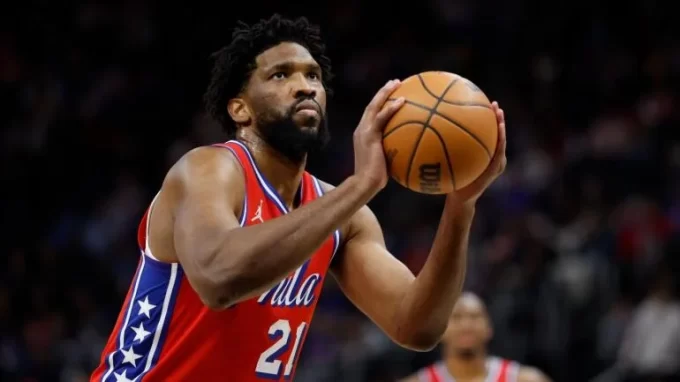
Joel Embiid’s Quiet Confidence: Is the 76ers’ Giant Ready to Rewrite His Story?
Joel Embiid is rarely one to make noise without purpose, and now,...
 Kirsten Collins1 Mins read
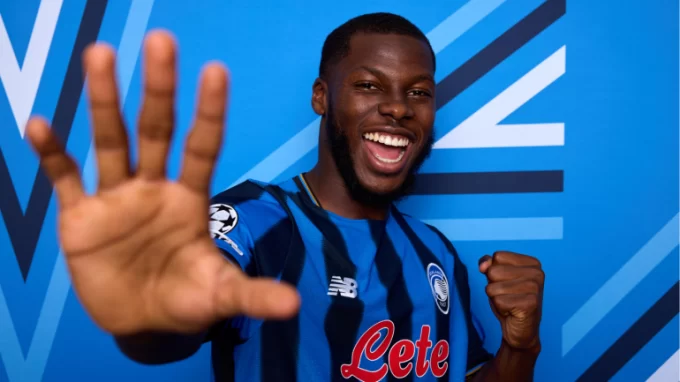
Juventus, Atalanta, and Arsenal’s Quiet Revolution: What’s Really Shaping This Week in Football?
The roar of Serie A stadiums masks a subtle shift, one that...
Kirsten Collins2 Mins read





Leave a comment