

The Game Within the Game
With 285 matchups mapped and futures wagered before a single coin toss, the NFL's 2025 season is already being played—just not on the field. The question is no longer who will win, but who’s scripting the narrative behind the numbers.
 Kirsten CollinsAugust 4, 20252 Mins read13
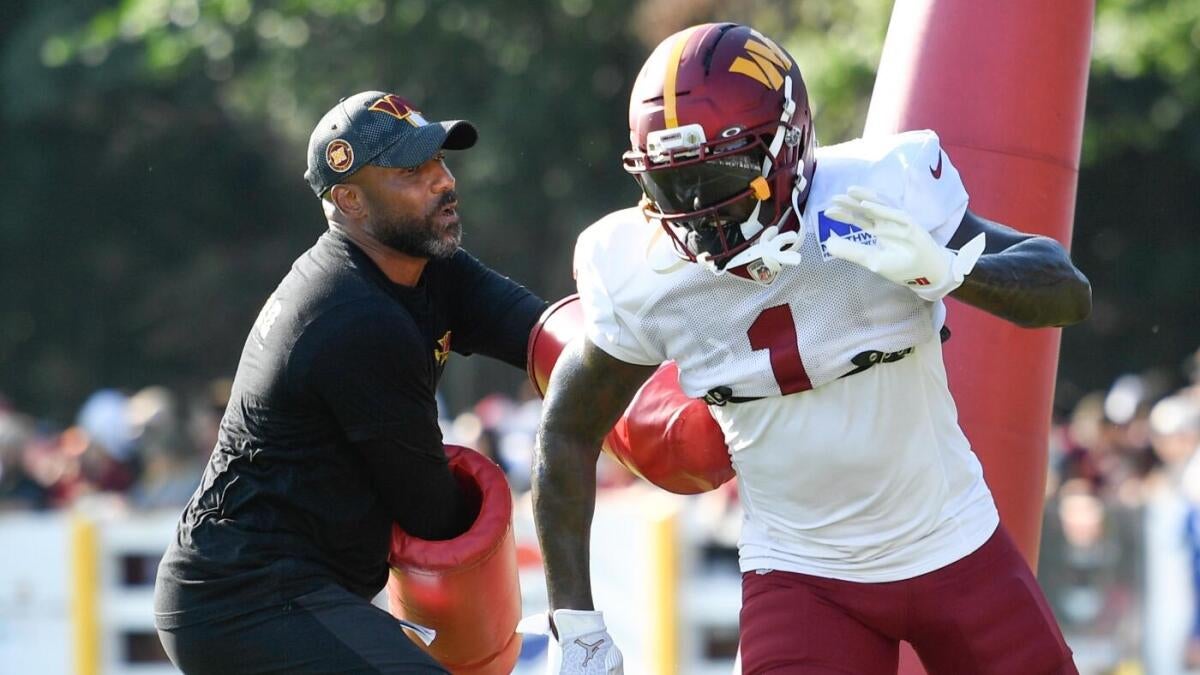
There’s something eerie about watching a season unfold before it even begins. Every win forecast, every fumble foretold—locked into columns by men with calculators and divinely confident voices. Before August even warms the turf, the 2025 NFL season has been dissected, digitized, and declared. The final scores are still months away, but the mythology is already in motion.
Behind these sprawling 285-game predictions lies something more than data—an alchemy of culture, commerce, and clairvoyance. Sportsbooks whisper in sync with broadcast networks. Analysts perform their prophecies with the conviction of ancient oracles. What used to be played in mud and blood is now played in numbers, odds, and soundbites. Football, it seems, has become less about Sunday and more about speculation.
Gridiron as Oracle, Broadcast as Bible
What once took shape week by week now arrives prepackaged, algorithm-approved. Every underdog has been statistically declawed. Every Cinderella team already filed under “unlikely.” The fan doesn’t wait for the story anymore—they expect it. Not the thrill of the unknown, but the affirmation of the script they read in July. It’s a paradox that threatens to undo the very mystique that made American football mythic: unpredictability.
But the real game is no longer on the field. It’s in the spreadsheets, on the podcasts, at the sportsbook windows, where loyalties are traded like futures and fandom bleeds into finance. One expert says the Cowboys will rise. Another charts the fall of Mahomes. Who do we believe? And more hauntingly—does it matter, if the illusion feels real enough?
“Everyone wants to be right before it happens,” one anonymous insider admitted. “But once it does, we all pretend we saw it coming.” In that confession lies the secret shame of predictive sports culture: we mistake foresight for fact, and forget the game was once glorious precisely because it wasn’t.
The Violence of Certainty
There’s a violence in knowing too much. Not the kind that shatters helmets or snaps tendons, but a softer violence—the one that flattens awe. When every fourth down is pre-digested, when every rookie’s arc is already graphed out in PowerPoint, the theater collapses into something far more sterile.
Perhaps that’s why the bets come earlier, louder, dressed in the language of faith. Because belief is all we have when prediction becomes prophecy. But who, exactly, is writing the gospel? The league? The media? The fans themselves, desperate to make meaning out of metrics?
What if the only real surprise left… is that there’s no surprise at all?






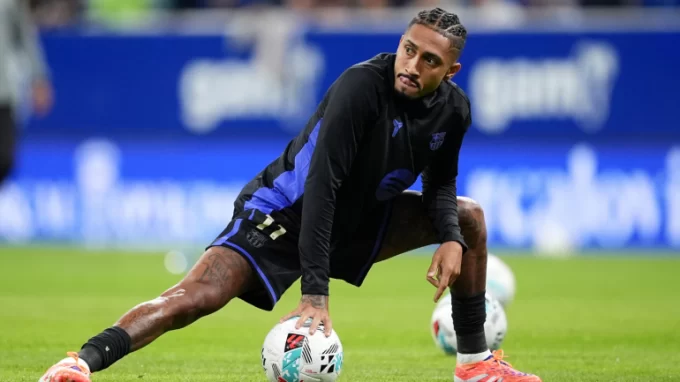
Barcelona’s Fragile Pursuit: When Injuries Threaten More Than Just a Season
A silence spreads over Camp Nou that no roar can drown out—two...
 Chris Marks2 Mins read
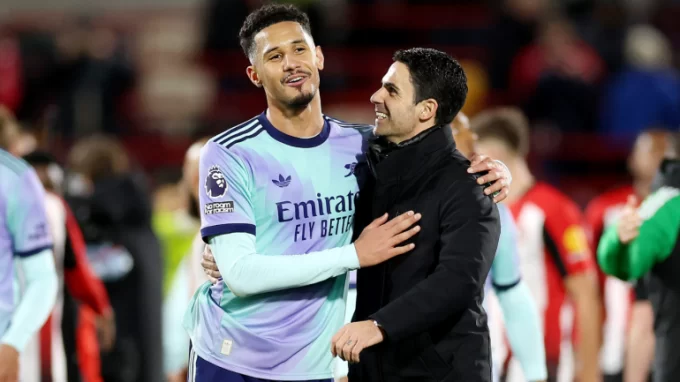
William Saliba: Arsenal’s Silent Architect or Its Greatest Gamble?
The air inside the Emirates shifts with unspoken tension—William Saliba, once a...
 Joseph Bennett2 Mins read
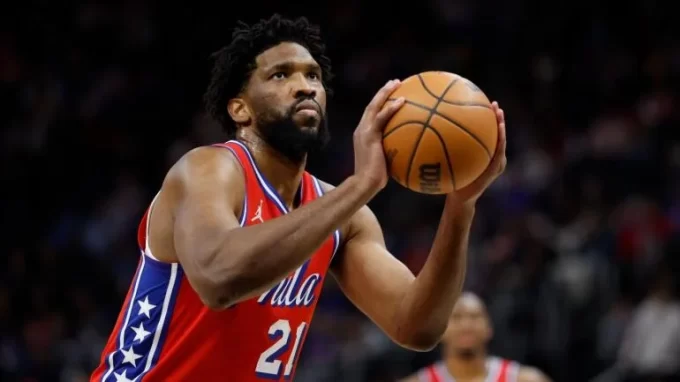
Joel Embiid’s Quiet Confidence: Is the 76ers’ Giant Ready to Rewrite His Story?
Joel Embiid is rarely one to make noise without purpose, and now,...
Kirsten Collins1 Mins read
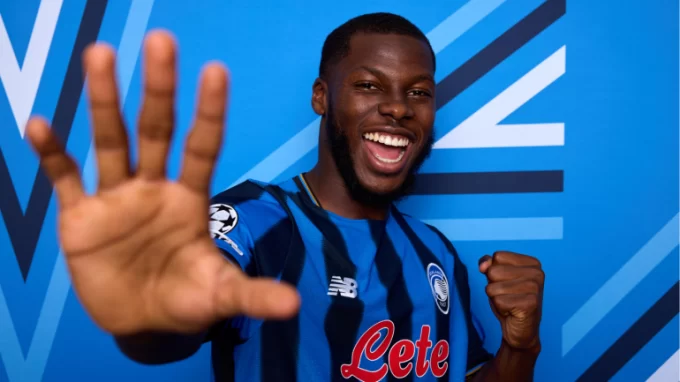
Juventus, Atalanta, and Arsenal’s Quiet Revolution: What’s Really Shaping This Week in Football?
The roar of Serie A stadiums masks a subtle shift, one that...
Kirsten Collins2 Mins read




Leave a comment