

The Silence That Roared
Saquon Barkley turned down a White House council role—and then watched, stunned, as Donald Trump publicly name-dropped him anyway. But behind the headline is a question more enduring than politics: who controls the narrative when silence speaks louder than allegiance?
 Kirsten CollinsAugust 4, 20251 Mins read50

He didn’t go.
And he wasn’t supposed to be mentioned. But there he was—Saquon Barkley, named by former President Donald Trump during a speech about the Sports and Fitness Council, a body Barkley had reportedly declined to join. No statements. No hashtags. Just quiet refusal. And yet somehow, he became part of the narrative anyway.
There’s a strange power in abstaining, especially in a political culture that demands noise. Barkley didn’t tweet a protest or issue a press release. He didn’t show up. That was enough. And yet Trump, ever the showman, invoked his name as if it were an endorsement, or at least a miscalculated nod. In an age where absence is often seen as avoidance, Barkley’s restraint was something else entirely: defiance with polish.
The Optics of Refusal
Celebrity and politics have never danced more intimately—or more awkwardly. Every refusal becomes a spectacle. Every nod, a negotiation. And for athletes, the scrutiny is amplified: perform on the field, stay out of the fray, until staying out becomes political too.
To say no to a seat at the table and still be placed on the menu—there’s a cruel irony in that. But it’s not new. “I never agreed to anything,” Barkley reportedly said, his voice not angry, just precise. And maybe that’s what stung most. He didn’t need to yell. He simply withdrew the consent of his presence. In the grand theatre of Washington power games, that’s a plot twist few anticipate.
Power, Borrowed and Returned
Trump mentioning Barkley wasn’t an accident. It was leverage—calculated, tactical, the optics of diversity without the burden of mutual consent. But when an athlete of Barkley’s stature declines such a role and still ends up folded into the narrative, we’re left asking: what counts as participation anymore?
The modern playbook of protest is no longer about the microphone. It’s about who refuses the stage. And as the culture becomes more addicted to declarations, those who withhold become something more potent than performers: symbols.
Saquon Barkley did not speak loudly. He didn’t need to. His absence was felt like a siren—one that can’t be un-heard, only interpreted.




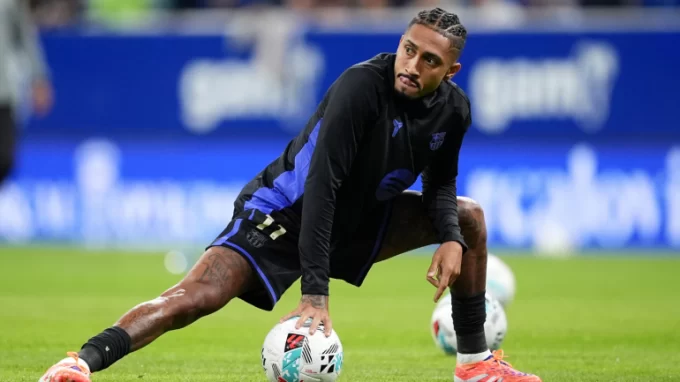
Barcelona’s Fragile Pursuit: When Injuries Threaten More Than Just a Season
A silence spreads over Camp Nou that no roar can drown out—two...
 Chris Marks2 Mins read
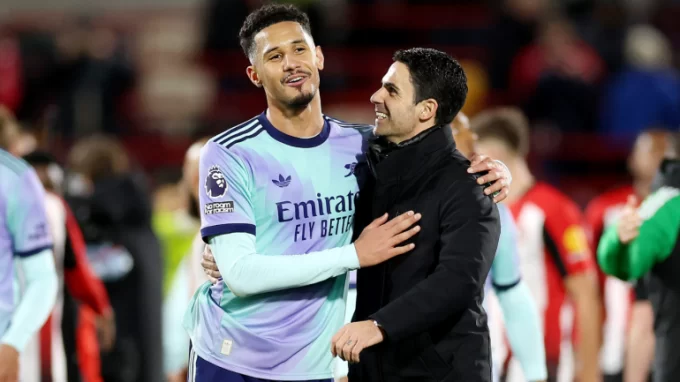
William Saliba: Arsenal’s Silent Architect or Its Greatest Gamble?
The air inside the Emirates shifts with unspoken tension—William Saliba, once a...
 Joseph Bennett2 Mins read
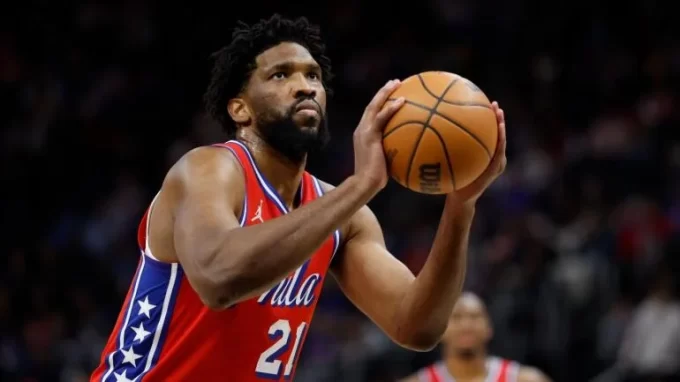
Joel Embiid’s Quiet Confidence: Is the 76ers’ Giant Ready to Rewrite His Story?
Joel Embiid is rarely one to make noise without purpose, and now,...
Kirsten Collins1 Mins read
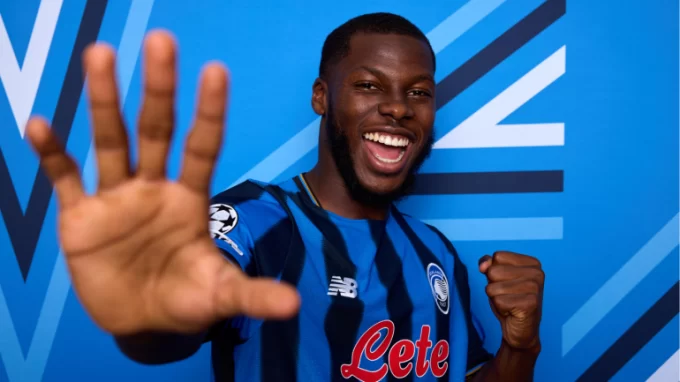
Juventus, Atalanta, and Arsenal’s Quiet Revolution: What’s Really Shaping This Week in Football?
The roar of Serie A stadiums masks a subtle shift, one that...
Kirsten Collins2 Mins read




Leave a comment