

6 Women, 6 Worlds: The Fiction Shortlist That Might Just Rewrite Everything
The Women’s Prize for Fiction shortlist is here, and it’s not just a celebration—it’s a quiet revolution. These six books don’t play by the rules. They dismantle them.
 Krista FreelandJanuary 1, 20252 Mins read140

There are lists, and then there are declarations. The Women’s Prize for Fiction shortlist has just dropped, and it doesn’t whisper elegance—it commands it. These are not polite books. They are fierce, flawed, transcendent texts that gnaw at genre and twist the mirror of womanhood until it fractures, then gleams. Each title on this list is less of a nominee and more of an orbit. Step into them and you don’t return the same.
The shortlist might be only six names—but each is a world, unsilenced and unsimplified.
Where Voice Becomes Voltage
1. Nightbloom by Peace Adzo Medie
Don’t let the soft title fool you—this novel is thunder under silk. Set between Ghana and the U.S., it dissects female friendship with a scalpel’s grace and a hurricane’s honesty. Medie’s prose pulses with cultural friction and suppressed trauma, but it’s her silence—the things unsaid between friends—that cuts deepest. The real question: how much love can survive unspoken betrayal?
2. Brotherless Night by V. V. Ganeshananthan
This is not a war novel—it’s a memory held hostage by history. Set during the Sri Lankan civil war, it follows a young woman who trades innocence for ideology. Ganeshananthan writes like someone who’s seen the world cracked open and still finds poetry in its wreckage. “Every story is also a cover-up,” her narrator confesses. The truth here is not revealed—it’s exhumed.
3. River East, River West by Aube Rey Lescure
A shimmering exploration of belonging in a city that shifts like smoke—Shanghai, imagined with both reverence and rawness. Lescure’s debut is a fever-dream of identity, heritage, and the invisible grief of diaspora. It’s a novel that haunts the reader with what it chooses to blur—home, history, even selfhood.
When the Myth Breaks Its Own Skin
4. Restless Dolly Maunder by Kate Grenville
A reimagining of Grenville’s own grandmother, this isn’t historical fiction—it’s ancestral resurrection. Dolly Maunder is a woman born too early and dreaming too loud. Through her, Grenville asks what we inherit from our foremothers: just DNA, or also rage, longing, and unfinished revolutions?
5. Enter Ghost by Isabella Hammad
Set in the occupied West Bank, this isn’t just about politics—it’s about language as resistance. A Palestinian actress returns home to stage Hamlet, and suddenly Shakespeare isn’t old—it’s burning. Hammad writes with the poise of an academic and the fire of someone who’s had to translate survival into art. “We perform,” one character says, “because silence would kill us faster.”
6. Soldier Sailor by Claire Kilroy
Kilroy’s novel isn’t about motherhood—it’s about surviving it. A raw, spiraling monologue from a woman who loves her child but isn’t sure she loves herself anymore. No soft focus. No filtered joy. Just exhaustion, resentment, awe, and the dissonance of devotion. It’s not pretty, and that’s why it’s perfect.
Each of these books doesn’t just belong on a shortlist—they threaten to make every list before them look dated. The Women’s Prize isn’t just rewarding literature anymore. It’s revealing the maps we didn’t know we were missing.
The only question now is: which world are you brave enough to enter first?






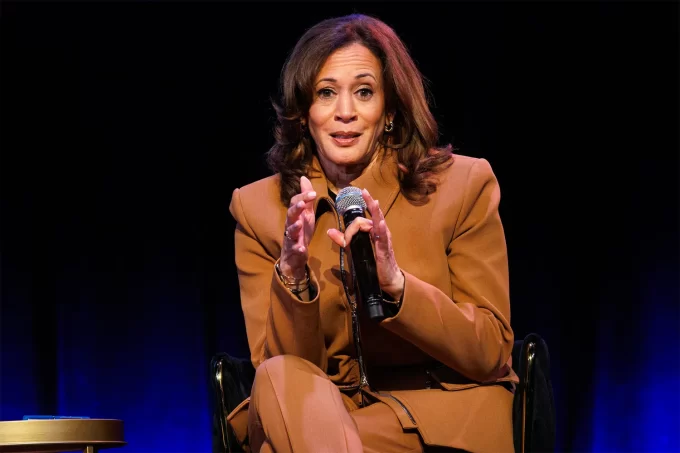
When “107 Days” Meets Outcry: Harris’s Book Tour Interrupted
The microphone crackled to life, and before Harris could finish her opening...
 Chris Marks1 Mins read
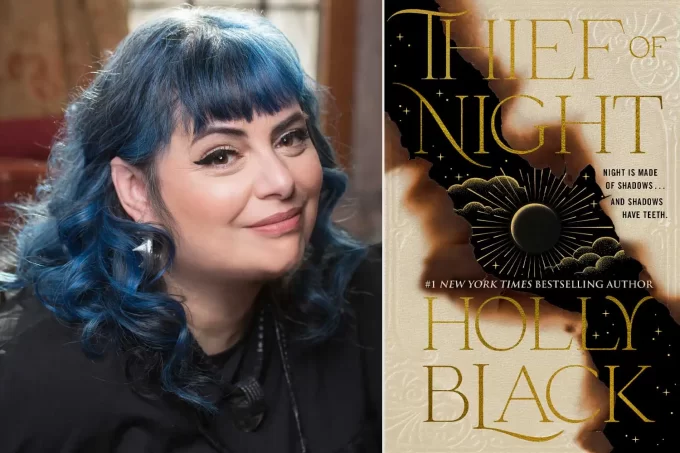
Whispers in the Shadows: Why Holly Black’s Sequel Is a Dark Invitation We Can’t Ignore
The night isn’t just dark—it’s ravenous, greedy, and it’s coming for you....
Chris Marks2 Mins read

Why Stephenie Meyer’s Regret About Edward Changes Everything You Thought You Knew
The moment Stephenie Meyer admitted she wouldn’t pick Edward Cullen today, a...
Chris Marks2 Mins read

When Fear, Fury & Feathers Collide: Cinema, Superheroes, and a Confessional Album
Open with tension—the kind that threads through a scream, a reveal, and...
Chris Marks2 Mins read





Leave a comment