

The Mask Slips: What Tom Holland’s New Spider-Man Really Reveals
Tom Holland is donning a new suit, but the real transformation isn’t stitched in spandex. It’s a brand reset disguised as nostalgia—and Marvel knows exactly what it's doing.
 Kirsten CollinsAugust 1, 20252 Mins read19
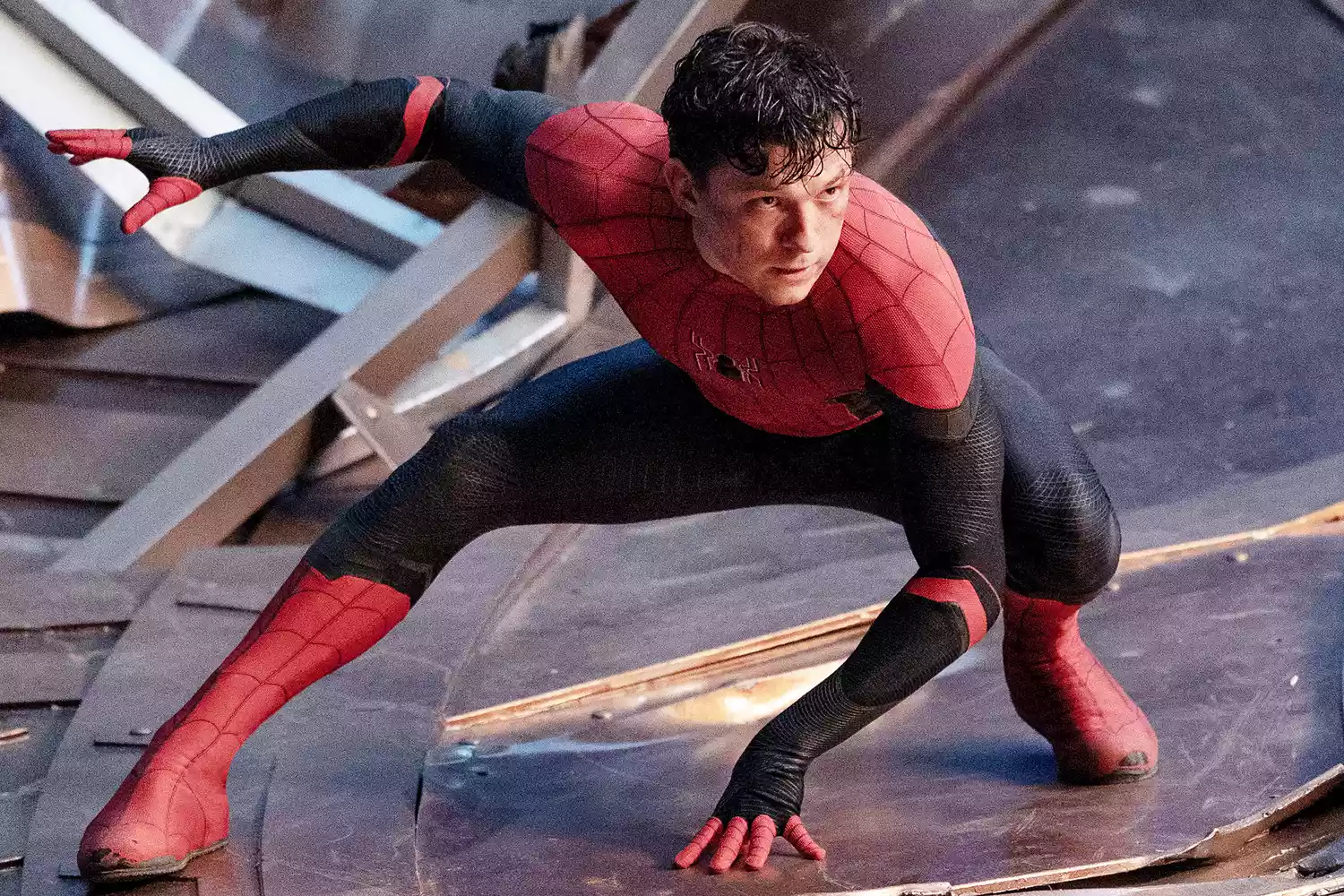
The problem with reinvention is that it usually comes wearing something familiar. In the case of Spider-Man: Brand New Day, it’s a new red-and-blue suit that looks eerily like the old one—glossier, tighter, maybe even desperate. Marvel wants us to believe this is a rebirth. But what if it’s a retreat?
Tom Holland is back, but not quite the same. He’s less the wide-eyed kid of Homecoming, and more the curated symbol of a franchise holding its breath. Because let’s be honest: superhero cinema is no longer a genre, it’s a survival tactic. And Holland’s Peter Parker is being used to sell us not just a story—but a rebrand.
Spandex Nostalgia and the Crisis of Relevance
Marvel’s move is subtle but surgical. The new suit, echoing classic comic-book lines, is pure semiotic sleight-of-hand—a glossy reminder that Spider-Man once meant something simple. But what it really means now is maintenance. Cultural, economic, mythological maintenance.
There’s something uncanny in how “new” this version of Peter Parker looks while whispering in the language of 2008 comics. It’s not an update. It’s a looping of the narrative back to a safer point—a cinematic ctrl+Z. And it doesn’t stop at the costume. According to insiders, Brand New Day signals a recalibration toward “street-level stakes.” Translation: smaller battles, bigger brand intimacy.
“I wanted it to feel handmade again,” Holland was quoted as saying. But in a billion-dollar machine, handmade is just another aesthetic—controlled, calculated, and crisis-proof.
The Business of the Boy Next Door
It’s easy to forget that Peter Parker was never just a superhero. He was a proxy for teenage awkwardness, for underdog ache, for the kind of hope that came in secondhand sneakers and a broken camera. But now he’s become a metaphor for something else: franchise fatigue.
By re-dressing him in iconography, Marvel isn’t just rebooting a character—they’re re-selling comfort. The industry has learned that when the audience grows tired, the solution isn’t innovation. It’s regression. Retro is the new frontier because it’s safer than admitting the future might be too uncertain for capes and catchphrases.
We’re being told it’s a “return to roots.” But maybe what we’re watching is a hero being quietly folded back into the algorithm—a digital myth, optimized for recall value. Not for risk. Not for story. But for sales.
And so the new Spider-Man swings across screens not to challenge us, but to assure us. The suit is different. The stakes are lower. The box office will be fine.
Maybe the mask always fit too well. Maybe that was the trick.
Maybe the most dangerous thing a superhero can be now… is familiar.






Watch Video – Hollywood Life
View gallery Image Credit: Getty Images Guy Fieri showed off quite the...
Kirsten Collins1 Mins read

Start the New Year by Investing in Yourself – Hollywood Life
Image Credit: European Wax Center The new year is all about fresh...
Kirsten Collins2 Mins read

Where Is Liam Conejo Ramos Now? Updates on 5-Year-Old’s ICE Detainment – Hollywood Life
Image Credit: Getty Images Liam Conejo Ramos came home from preschool while...
Kirsten Collins2 Mins read

AirTalk Wireless Offers Free Wireless Service to Underserved Folks, Online & Offline – Hollywood Life
Image Credit: Pexels California may be home to Silicon Valley, but many...
Kirsten Collins3 Mins read





Leave a comment