Paul Mescal’s Fury: When a Fan Crossed the Line and Why It Matters
Paul Mescal once froze, then erupted—after a fan’s hand slid from his back to his butt while posing for a photo. It raises unsettling questions about consent, fame, entitlement—and what fans believe they’re allowed to do.
 Kirsten CollinsSeptember 11, 20252 Mins read61

He stood just outside the Almeida Theatre, lights dimming on stage, still draped in emotional residue from A Streetcar Named Desire, when a fan asked for a photo—and then, without warning, crossed the invisible line. A hand, first innocuous on his back, slid down; Mescal froze, more confused than angry, until the touch repeated. Then came the anger: “What’re you doing? Take your hand off my ass.”
He says that moment shocked him—not because of fame, but because it betrayed trust. He had agreed to a photo, to the ritual of recognition that comes with being an actor. But that moment—physical, inappropriate—threw him into a confrontation he didn’t want, but couldn’t ignore. Because 97% of fame, he says, has been kind. The other 3%? Someone grabbing your butt.
The Texture of Entitlement
When people glare at Mescal’s story and shrug, they misunderstand something fundamental: entitlement is not just about what people take—it’s about what they believe they own. To be adored means, for some, to feel ownership over the object of admiration. The fan likely thought: “He’s here, it’s a fleeting moment, it doesn’t matter.” But it does.
He responded. Not perfectly calm, but humanly visceral. “I remember tensing up and feeling just, like, fury.” This fury matters. It’s not performative outrage or celebrity posturing—it is the natural reaction when your body’s boundary, previously invisible, is made public property.
When Fame Comes With Unseen Risks
Mescal’s reflections suggest a trade most fans never consider: visibility for vulnerability. He expected recognition, photos, compliments; what he didn’t expect—or what he shouldn’t have to expect—is touch. The line between admiration and assault is sometimes clear; sometimes blurred by cultural assumptions about celebrity, physical contact, proximity.
He said, “It was so gross, creepy.” Those aren’t casual words. And yet he also acknowledged that speaking up felt risky—it meant disappointment, discomfort, possibly shame. This moment reminds us: we should challenge the too‑easy belief that “everyone wants a fan photo” or that “stars sign up for everything.” They don’t.
He could have shrugged it off. He didn’t. He walked away, ended the stage‑door greetings for the night—something small, decisive. Because some non‑consensual moments are not just private violations; they become public lore, shaping how we talk about boundaries.
What if more fans treated celebrities like people with skin, with agency, with a right to say “no touch”? What if we started believing that a “yes” to a photo doesn’t carry a hidden permission for any kind of touch? And what if Mescal’s moment is less an exception and more a warning—about what we accept, what we excuse, what we allow?




5 Things About the New HBO ‘Harry Potter’ Star – Hollywood Life
Image Credit: Aidan Monaghan/HBO Dominic McLaughlin may be a newcomer to Hollywood,...
Kirsten Collins1 Mins read
Why Is Sora Shutting Down? Inside the Closure of the OpenAI App – Hollywood Life
Image Credit: NurPhoto via Getty Images Sora, the first standalone OpenAI app...
Kirsten Collins2 Mins read
Is Savannah Guthrie Coming Back to the ‘Today’ Show? What We Know – Hollywood Life
Image Credit: Getty Images Savannah Guthrie has stepped away from the Today show...
Kirsten Collins2 Mins read
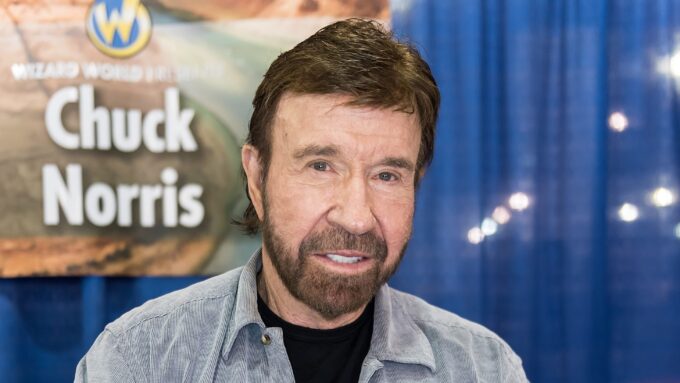
How Did Chuck Norris Die? Updates on the Late Actor’s Cause of Death – Hollywood Life
View gallery Image Credit: Getty Images Chuck Norris, the actor and martial...
Kirsten Collins2 Mins read





Leave a comment