

The Year Stardust Fell: When Icons Vanished Without Warning
A sudden exodus of fame has turned 2025 into a cinematic tragedy. But why do we mourn so loudly for stars we never met—and so quietly for the worlds they leave behind?
 Joseph BennettAugust 4, 20252 Mins read24

We didn’t expect to see so many stars fall in one year. But 2025 has not whispered its goodbyes—it has screamed them. Each alert, each push notification has felt less like news and more like a puncture. A crack in the invisible scaffolding of popular culture. Icons, not just known—but lived with, believed in—are vanishing like marquee lights in a sudden blackout.
This isn’t just about celebrity. It’s about the way we build pantheons, then watch them collapse. Every generation has its mythmakers, but ours are broadcasted, filtered, posted, dissected—turned into religion. So when they die, it’s not just a person we lose. It’s a piece of narrative infrastructure. It’s the fall of something we built to last.
We Weren’t Just Watching Them—We Were Watching Ourselves
From the untimely loss of stage-and-screen soulmates to the abrupt exits of fashion’s defiant darlings, this year’s death list reads like a casting call for an afterlife film directed by Fellini. No genre is untouched—comedians, crooners, cult icons, even reality-show villains who turned into cultural antiheroes. The randomness, the scale, the brutal elegance of it all—it feels orchestrated. As if 2025 has become the year the world’s nostalgia caved in on itself.
One producer whispered at a Cannes afterparty, “This is the year we stop pretending legacy is forever. It isn’t.” There was no rebuttal, only a silence that felt heavier than the champagne flutes being raised. For those who curate memory, this has been a strange reckoning. And for the public? A revelation. Grief has gone digital, performative, even algorithmic. We’re now mourning in comments, sharing reels of the dead set to lo-fi beats.
But behind all that, there’s something uncomfortably primal: a terror that we may not outlive the versions of ourselves these icons held together.
Legacy Is a Liar with Great Lighting
What happens when too many of your cultural anchors drift away at once? Do we float, or do we sink? The people lost this year weren’t just influential—they were gravitational. They held industries in orbit. Some were aging legends whose death we still weren’t ready for; others, heartbreakingly young, like unopened chapters in books we never got to read.
The tabloids fixate on cause, context, final tweets. But real grief is quieter and stranger. It’s the way you instinctively turn up the radio when their song comes on, then realize why it hurts. It’s how a film you once loved now feels haunted. And it’s the absurdity of it all—how someone could die in the middle of a comeback, in the middle of a tour, in the middle of their reinvention. As if the script was stolen mid-act.
We worship fame, but we forget that fame does not protect you from the very thing it sells: impermanence. There’s a strange poetry to that. A strange kind of cruelty, too.
And yet, the world keeps performing. As if nothing cracked. As if the curtain never dropped.
So what happens next, when the spotlight finally goes out—and no one is left to stand in it?




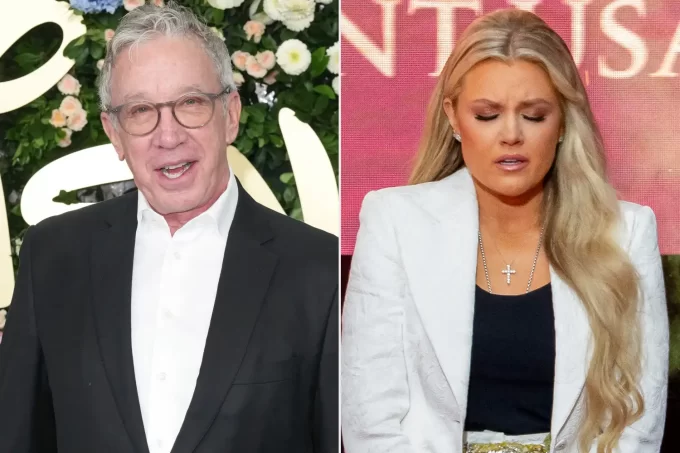
When Mercy Meets Tragedy: The Widow Who Forgave Her Husband’s Killer
The air thickens when forgiveness enters a room meant for grief. Imagine...
 Chris Marks1 Mins read

When Fear Became a Lifeline: Pete Davidson’s Reckoning in Rehab
There’s a silence that follows a mother’s voice when she confesses her...
Joseph Bennett1 Mins read
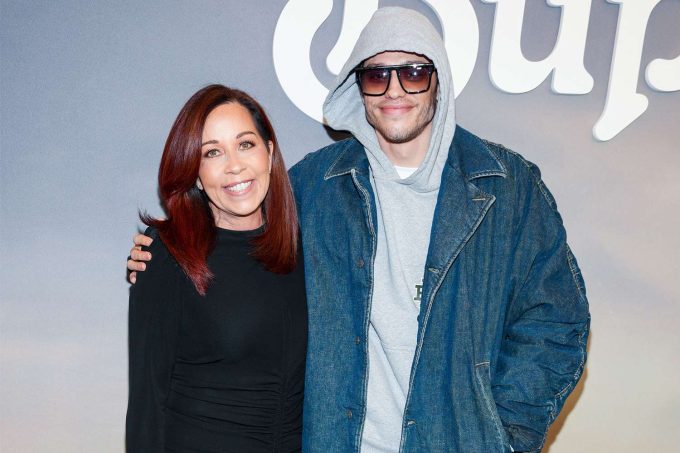
Pete Davidson’s mom told him in rehab worst fear was learning he died
Pete Davidson is opening up about the heartbreaking moment he had with...
Chris Marks2 Mins read

Katie Couric’s Unexpected Spin on Sydney Sweeney’s American Eagle Ad: What’s Really Being Said?
Katie Couric stepping into a scene dominated by Gen Z glamour feels...
 Krista Freeland2 Mins read





Leave a comment