

Ashes of Pandora: The Villain We Didn’t See Coming
Avatar: The Last Airbender – Fire and Ash unveils a new villain from the shadows—Varang of the Ash Clan—who may not be the firebender we expect, but the reckoning we deserve. Is this a reboot of revenge or a slow burn of legacy?
 Kirsten CollinsJuly 28, 20252 Mins read43
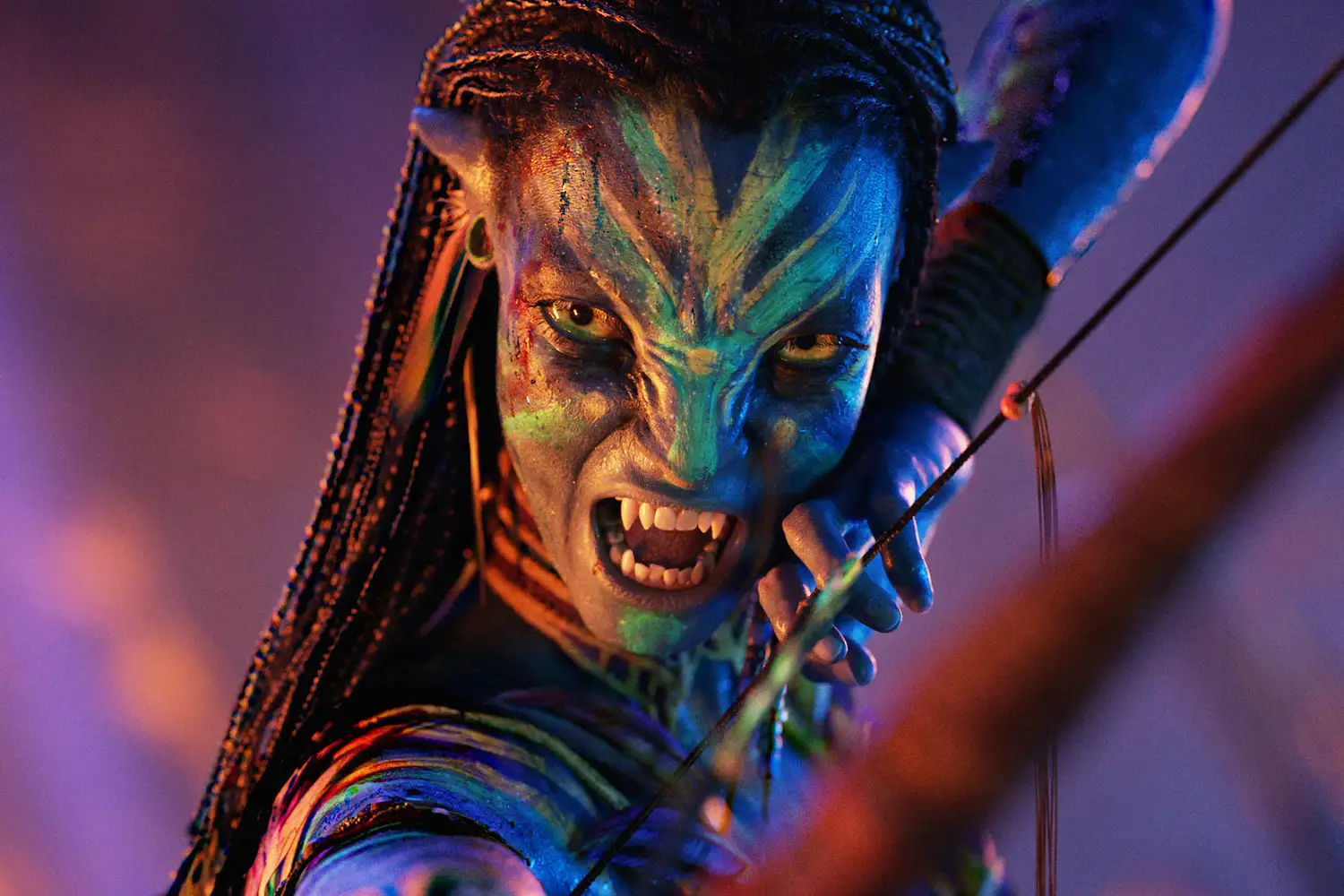
She rides into frame like a memory you forgot to fear. Covered in obsidian armor, flanked by the smoke of burning history, Varang doesn’t scream villain—she inhales like she’s been waiting to be remembered. Avatar: The Last Airbender – Fire and Ash doesn’t just introduce her; it unleashes her, as if every grudge the Fire Nation ever buried has returned wearing a crown of soot.
We’ve grown accustomed to Zuko’s torment and Azula’s glittering madness, but Varang is something different. She isn’t broken. She’s patient. And in the newly released trailer, her silence is louder than fire. There’s something disquieting about a villain who doesn’t want chaos—she wants structure, control, and a moral code forged in cruelty. The Ash Clan, long-whispered among Avatar deep lore, emerges like a curse spoken too late: not rebels, not royals, but survivors of a flame that burned too clean.
Smoke That Doesn’t Ask Permission
Here’s what makes this narrative shift feel volcanic: the Ash Clan isn’t the Fire Nation we know. They’re not draped in gold or basking in imperial glory. They’re its exiled conscience—hardened by betrayal, raised on ashes. Varang doesn’t seek conquest. She seeks redress. “She was promised a kingdom and given a grave,” says one character in a line that cuts like prophecy.
And so the question becomes: if Ozai was power, and Azula was precision, then what is Varang? Perhaps she’s the ghost of consequence. A villain without vengeance is a storm without thunder—and yet her calm unnerves more than any lightning bolt. The trailer’s final moment lingers on her eyes—not glowing, not angry, just tired. As if she’s already decided we’re too late.
This is what Netflix’s Fire and Ash seems to understand: legacy is heavier than destiny. And when a woman like Varang picks up what the royal family left behind, it’s not as a thief. It’s as a rightful heir.
When Fire Ceases to Apologize
What’s brilliant—and unsettling—is how the show appears to recast morality not as balance, but as burden. The Avatar cycle was built on the belief that restoration is always possible. But Varang isn’t interested in restoration. She’s a reminder that some flames burn for so long, they forget how to stop.
Is she evil? That word feels laughably small here. Instead, we’re handed something more uncomfortable: a woman who may not be wrong. “Balance,” she whispers in one cut, “was always just a way to keep people quiet.” It’s not just a line. It’s a thesis. And suddenly, everything we thought we knew about villains in the Avatar universe feels brittle.
The firebenders we once feared were loud. Varang is quiet. And maybe that’s what makes her the most dangerous of all—she doesn’t want to destroy the world. She wants us to see it for what it really is.





5 Things About the New HBO ‘Harry Potter’ Star – Hollywood Life
Image Credit: Aidan Monaghan/HBO Dominic McLaughlin may be a newcomer to Hollywood,...
Kirsten Collins1 Mins read

Why Is Sora Shutting Down? Inside the Closure of the OpenAI App – Hollywood Life
Image Credit: NurPhoto via Getty Images Sora, the first standalone OpenAI app...
Kirsten Collins2 Mins read
Is Savannah Guthrie Coming Back to the ‘Today’ Show? What We Know – Hollywood Life
Image Credit: Getty Images Savannah Guthrie has stepped away from the Today show...
Kirsten Collins2 Mins read
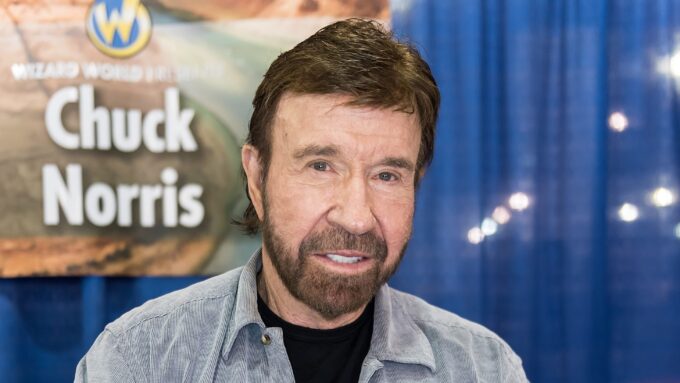
How Did Chuck Norris Die? Updates on the Late Actor’s Cause of Death – Hollywood Life
View gallery Image Credit: Getty Images Chuck Norris, the actor and martial...
Kirsten Collins2 Mins read





Leave a comment