

When Benson Boone Reimagined Sam Fender at Montreux — What Were We Really Hearing?
Benson Boone’s haunting cover of Sam Fender at the Montreux Jazz Festival wasn’t just a tribute—it was a whispered question about authenticity, legacy, and the future of songwriting itself.
 Kirsten CollinsJuly 16, 20251 Mins read42

There is a delicate tension when a young artist steps into the shadow of a revered songwriter — it’s not merely about the notes played but the stories reawakened. At Montreux, Benson Boone’s cover of Sam Fender did just that: it bent familiar melodies into something both reverent and defiantly new, leaving the audience suspended between nostalgia and revelation.
Is Boone merely echoing Fender’s voice, or is he carving a new space where the old and the new collide?
Echoes of a New Generation
The Montreux Jazz Festival, a stage steeped in history, became a crucible where Boone’s fresh vulnerability met Fender’s gritty emotional landscape. The audience was invited into a conversation far beyond chords and lyrics—a meditation on how influence morphs across time and temperament.
In Boone’s words, “Playing Sam’s songs felt like touching a living, breathing piece of art—one that challenges you to feel everything at once.” But what does it mean to interpret another’s pain and joy without losing your own?
Between Homage and Innovation
Covering a song is often seen as homage, but Boone’s performance dared to blur that line into something more complex. Was this a gentle passing of the torch or a subtle challenge to the original’s claim? When a cover asks more questions than it answers, it exposes the fragile, often unspoken dialogue between influence and identity.
The lingering thought: can a cover transcend the original and become a voice for its own era?
As the last note faded at Montreux, the silence was not an end but a beckoning—a reminder that music’s power lies in its ability to evolve through those brave enough to reimagine it. What stories will Benson Boone choose to tell next, and how will those stories reshape the echoes we thought we knew?






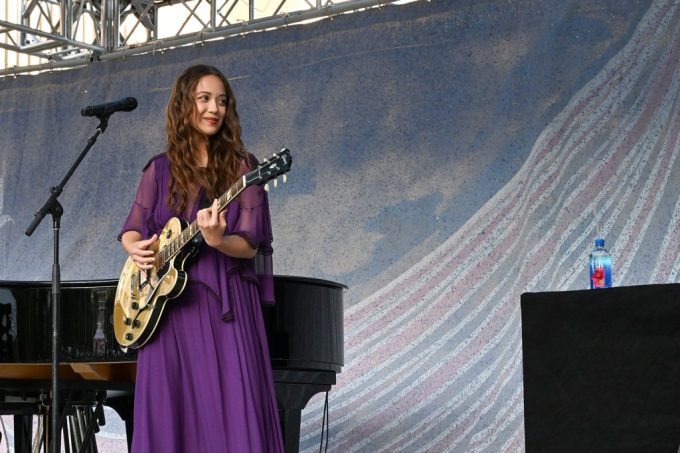
Laufey’s Opening Night Show at LA’s Crypto.com Arena: Best Moments
Laufey opened a two-night stand at Crypto.com Arena in downtown Los Angeles...
 Chris Marks6 Mins read
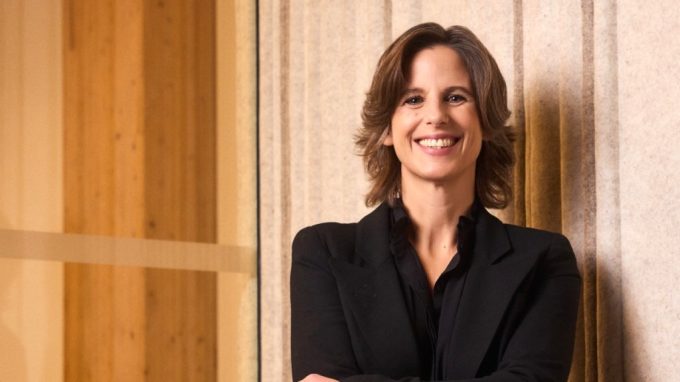
Julie Adam Is Billboard Canada Women in Music’s 2025 Exec of the Year
Julie Adam is having a milestone year — and it’s getting even...
Chris Marks4 Mins read

Spinal Tap Tribute Album with Foo Fighters,Tool for Teen Cancer America
Spinal Tap may be a fake band, but its music is very...
Chris Marks2 Mins read
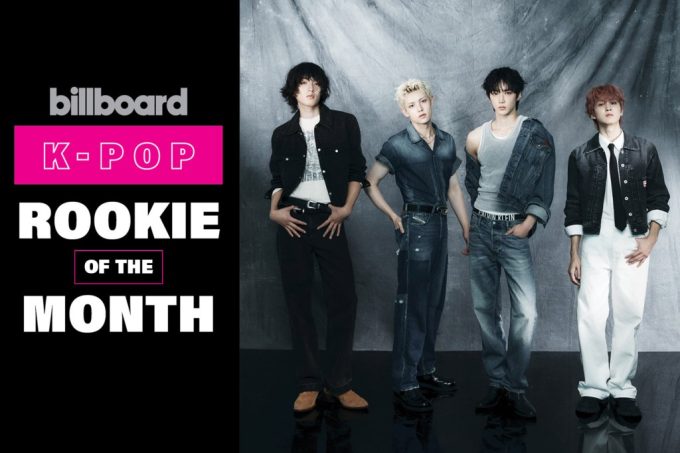
AxMxP Is K-Pop Rookie of the Month for September: Exclusive Photos
Ha Yoo Joon Image Credit: Chin Soyeon You debuted on Sept. 10....
Chris Marks2 Mins read





Leave a comment