

The Secret Language of Cameos: Why We Crave Hidden Faces
Beneath every blockbuster’s surface lies a coded world of cameos and Easter eggs—tiny, cryptic moments that beckon us to look closer, to wonder what stories hide behind the scenes of our favorite films. But what does this obsession say about us?
 Kirsten CollinsJuly 25, 20251 Mins read47
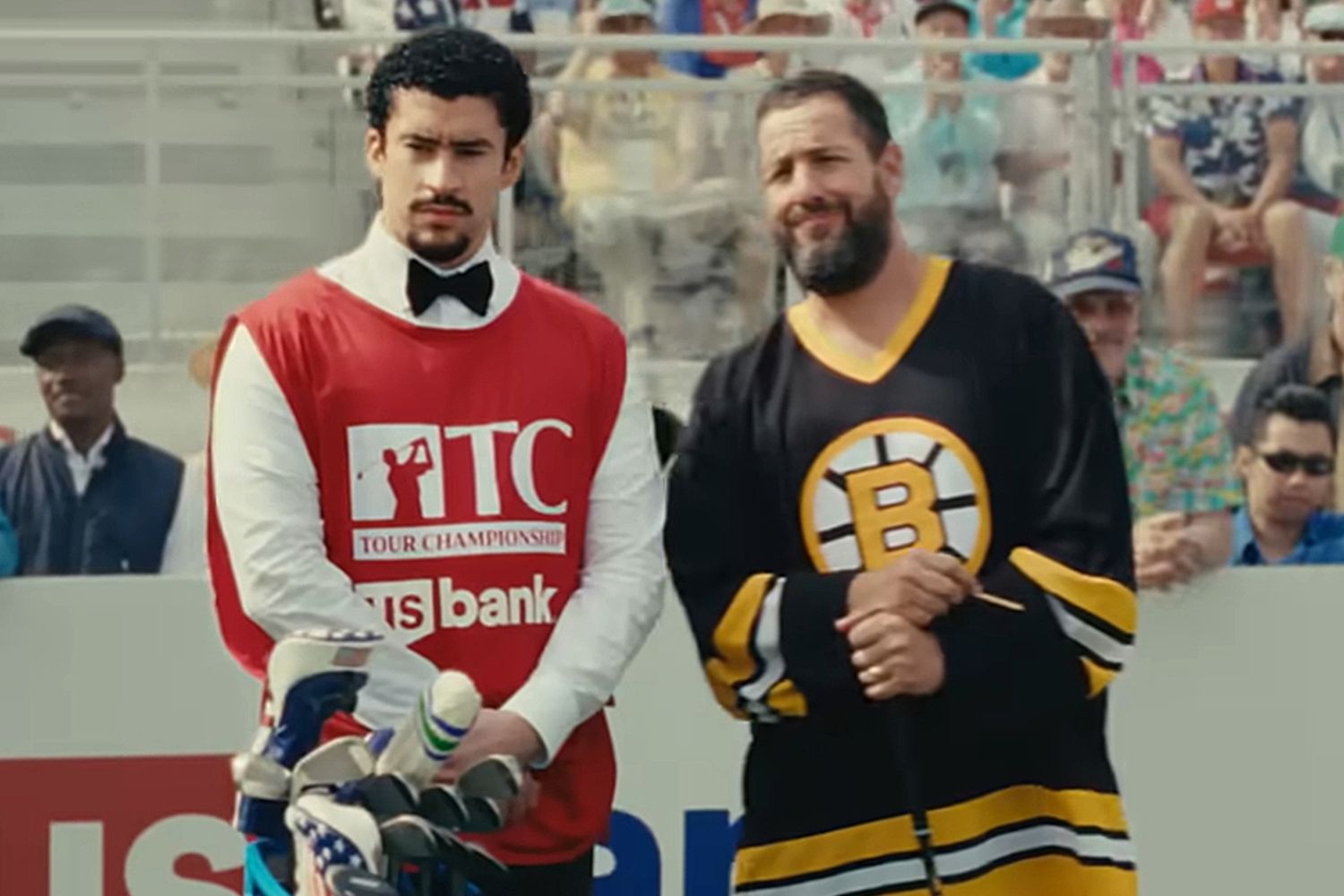
Netflix
A blink, a shadow, a familiar face barely out of focus — these are not mistakes, but deliberate whispers from the filmmakers. The world of cameos and Easter eggs is a secret language that only the keenest eyes can decode. Why do we hunt for these tiny fragments of celebrity presence or insider jokes, as if they hold the true key to a movie’s soul?
It’s more than a game; it’s a quiet rebellion against the polished gloss of Hollywood’s surface, a way to reclaim intimacy in a sprawling industry that feels ever more distant. The most fleeting cameo can unmoor the narrative, inviting us to question: who controls the story, and who’s really watching?
A Game of Masks and Mirrors
What fascinates most is the duality of cameos: they are both there and not, hidden in plain sight yet profoundly disruptive. They disrupt the illusion of cinema, reminding us that behind every character is a real person, a larger story. Yet, paradoxically, they deepen the mystery — why here? Why now?
Consider the whispered confession of a director: “We hide ourselves in plain sight because the audience is part of the secret.” The cameo becomes an unspoken pact, a sly nod that blurs the line between creator and spectator. It’s a reminder that movies are not just stories told, but stories shared — sometimes with an exclusive club of insiders.
When the Invisible Becomes Essential
And what of Easter eggs, those coded puzzles that tease the most devoted fans? They transform the passive act of watching into an active quest, layering meaning like an onion — each peel revealing yet another secret. But do these hidden gems enhance or dilute the art?
Some argue they tether films to franchises and fandoms, commodifying curiosity itself. Yet others see them as acts of rebellion, tiny explosions of creativity that refuse to be consumed at face value. The question lingers: in a world obsessed with transparency, is the allure of the hidden cameo our last refuge for genuine surprise?






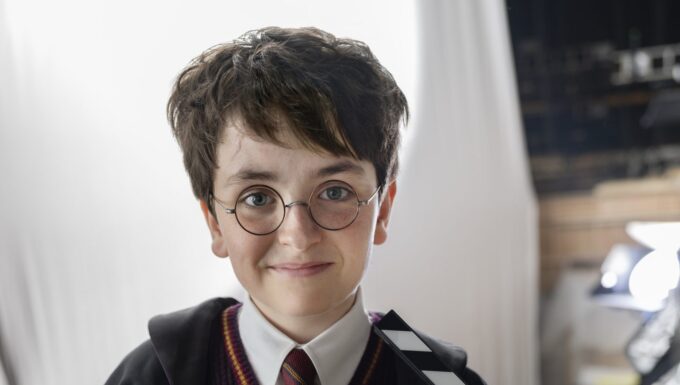
5 Things About the New HBO ‘Harry Potter’ Star – Hollywood Life
Image Credit: Aidan Monaghan/HBO Dominic McLaughlin may be a newcomer to Hollywood,...
Kirsten Collins1 Mins read
Why Is Sora Shutting Down? Inside the Closure of the OpenAI App – Hollywood Life
Image Credit: NurPhoto via Getty Images Sora, the first standalone OpenAI app...
Kirsten Collins2 Mins read

Is Savannah Guthrie Coming Back to the ‘Today’ Show? What We Know – Hollywood Life
Image Credit: Getty Images Savannah Guthrie has stepped away from the Today show...
Kirsten Collins2 Mins read
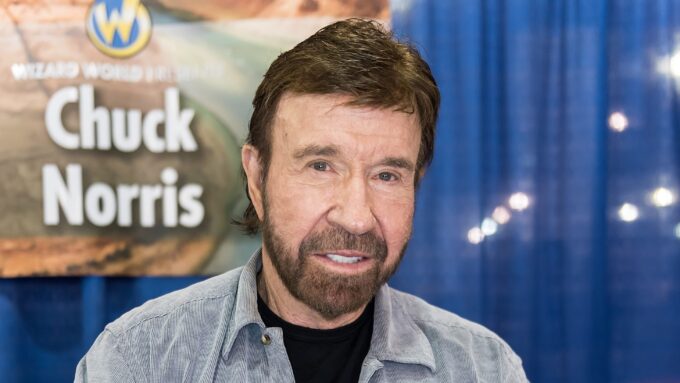
How Did Chuck Norris Die? Updates on the Late Actor’s Cause of Death – Hollywood Life
View gallery Image Credit: Getty Images Chuck Norris, the actor and martial...
Kirsten Collins2 Mins read





Leave a comment