

What Is America Really Rewarding? Behind the Curtain of the Pulitzer Mystique
Branden Jacobs-Jenkins and Percival Everett just joined the Pulitzer pantheon. But in a cultural landscape already gasping for air, what exactly are we honoring?
 Chris MarksMay 5, 20252 Mins read113

A prize, in theory, is a crown of merit. But in practice? It often feels like an apology wrapped in ceremony. When Branden Jacobs-Jenkins and Percival Everett—two literary forces with more barbed insight than most institutions can stomach—were announced as Pulitzer winners this year, the news didn’t just sparkle, it split the room. What were we applauding: their brilliance, or our belated recognition of it?
Jacobs-Jenkins, with his operatic satire and tragicomic precision, has long held a mirror up to the American stage and dared it to flinch. Everett, meanwhile, writes novels that feel like high-wire acts between philosophy and farce—so deft they often get mistaken for simplicity. Now, both have gold medals to show for their trouble. But no one’s asking the more unsettling question: why now?
The Applause That Arrives Late
Timing is everything—and yet somehow always wrong in American cultural honors. Jacobs-Jenkins has been interrogating identity, narrative, and race with scalpel-sharp scripts for over a decade. Everett? He’s published more books than the Pulitzer board has likely read in a lifetime. That they are being honored in 2024 says less about their work and more about the taste of a country trying—once again—to canonize what it once ignored.
As one literary editor quipped recently, “Everett has made a career out of resisting neat conclusions, and the Pulitzer just tried to wrap him in one.” There’s an irony there so rich it could qualify as satire. And Jacobs-Jenkins—whose plays ask whether the form can still contain our collective absurdities—has finally been sanctioned by a system he’s been quietly destabilizing.
Paper Crowns and Cultural Guilt
It’s tempting to cheer and move on. But the Pulitzer is not just a win—it’s a symbol. A cultural gesture. And when institutions hand out these laurels, they often do so with a whiff of guilt, as if hoping no one notices how long they waited. What does it mean that voices like these—bold, subversive, confrontational—are only now being framed as “of merit”? What does that say about who decides, and when?
Perhaps this year’s winners are not the point. Perhaps the story is the ritual itself: the moment America reaches for artists who have already moved past it. These are not men who asked for validation. Their works didn’t whisper; they roared. And maybe the Pulitzer, in all its prestige, is merely trying to catch the echo.
Because the real prize was never the medal.
It was the fact that they kept writing without it.






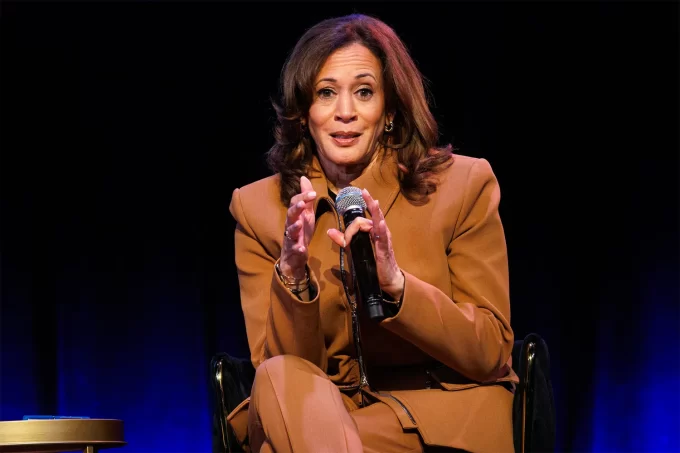
When “107 Days” Meets Outcry: Harris’s Book Tour Interrupted
The microphone crackled to life, and before Harris could finish her opening...
Chris Marks1 Mins read
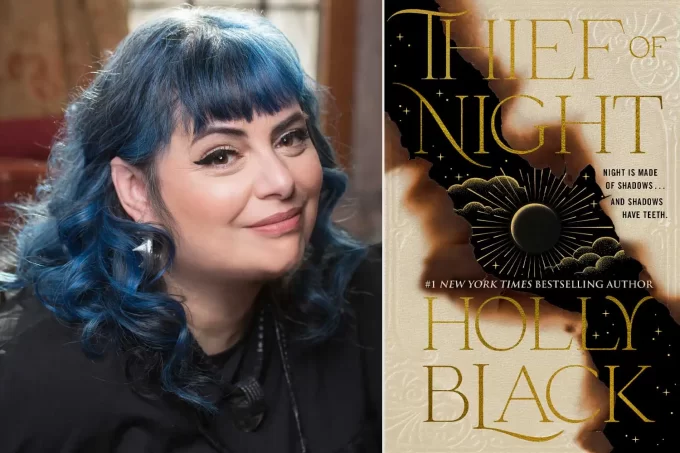
Whispers in the Shadows: Why Holly Black’s Sequel Is a Dark Invitation We Can’t Ignore
The night isn’t just dark—it’s ravenous, greedy, and it’s coming for you....
Chris Marks2 Mins read

Why Stephenie Meyer’s Regret About Edward Changes Everything You Thought You Knew
The moment Stephenie Meyer admitted she wouldn’t pick Edward Cullen today, a...
Chris Marks2 Mins read

When Fear, Fury & Feathers Collide: Cinema, Superheroes, and a Confessional Album
Open with tension—the kind that threads through a scream, a reveal, and...
Chris Marks2 Mins read





Leave a comment