

The Quarterback Nobody Wanted to Trade — Or Did They?
The Cleveland Browns sat on multiple trade offers for their star quarterback last offseason—and refused them all. But why hold on tight when the market was buzzing? The answer reveals a fragile dance of power, pride, and hidden agendas in NFL front offices.
 Chris MarksAugust 8, 20252 Mins read16
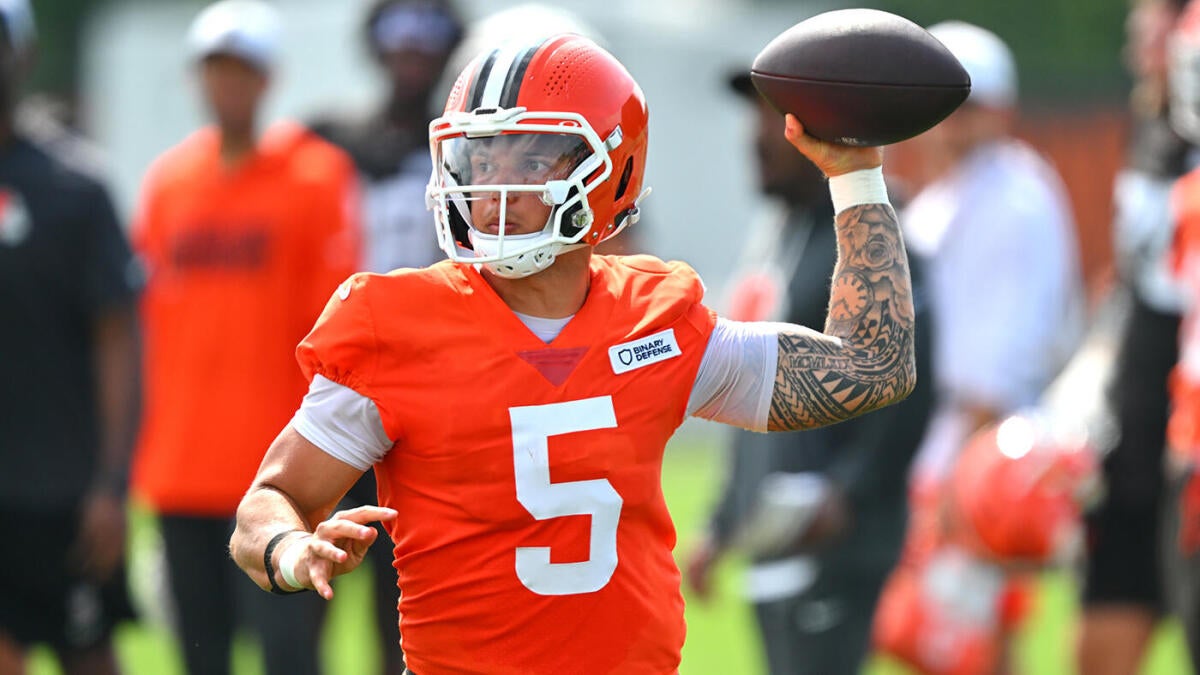
The story begins in a quiet office somewhere behind the roar of the stadium, where decisions are made in whispers and looks across polished conference tables carry more weight than headlines. The Cleveland Browns had multiple offers on the table for their quarterback last offseason. Not a trickle—a flood. Yet, every single one was rejected. In the theater of sports, where players are often pawns or kings, this refusal is a cipher begging to be cracked.
Why would a team with palpable pressure to win cling to a player whose value seemed ripe for capitalizing? Some might call it stubborn loyalty. Others, a calculated gamble. But beneath the surface, it’s a portrait of an organization wrestling with its identity—caught between the allure of immediate profit and the myth of legacy-building through unwavering faith.
The Illusion of Control
NFL trade rumors flood the sports world with a relentless urgency, yet the Browns’ cold shoulder to lucrative bids hints at something else: the illusion of control. Holding onto a quarterback amid offers doesn’t always signal confidence—it often masks uncertainty. “You don’t just trade away your future like it’s a commodity on a shelf,” a source close to the team confided, “sometimes, it’s about what the quarterback represents off the field, in the locker room, in the narrative we’re trying to build.”
This narrative—the carefully curated story of resilience and redemption—can eclipse even the most pragmatic decisions. In the NFL’s gladiatorial arena, perception can be as potent as points on the board.
When Pride Meets Profit
It’s easy to dismiss the Browns’ move as folly in a ruthless market, but that discounts the subtle interplay of pride and profit. Rejecting trade offers, especially multiple ones, is a declaration—one that says the team values its intangible assets more than short-term gain. This stance, however, walks a precarious line; it risks alienating fans hungry for results and investors demanding returns.
And yet, it’s not just about money or talent—it’s about narrative power. Who controls the story controls the culture. The Browns, in holding firm, seem to have chosen the harder path: the one where sports management meets mythmaking.
The Quarterback as Cultural Icon
What happens when a player transcends the field and becomes a symbol? This quarterback, in the eyes of the Browns’ management, might be more than a passer; he’s a linchpin in a larger story of hope, struggle, and identity. This is not just about winning games; it’s about winning hearts. The front office’s refusal to trade him suggests a belief that some players carry cultural currency that no number of draft picks can replace.
Between Loyalty and Leverage
In rejecting all trade offers, the Browns navigate a dangerous tension between loyalty and leverage. Loyalty to the player, the fans, the narrative. Leverage against rival teams and the NFL market. But what if this strategy is just a smokescreen for internal discord, an unspoken crisis of confidence? Sometimes, holding on too tight is a sign of fear, not faith.
This tale of rejected offers and quiet defiance forces us to reconsider what we think we know about the NFL trade market. It’s a game not just of athleticism, but of stories, symbols, and silent power plays that shape the soul of a franchise. The Browns’ gamble raises an unsettling question: in a world obsessed with metrics and deals, how much of what we see is genuine strategy—and how much is just a performance?
The quarterback sits, not on a trading block, but on a pedestal precariously balanced between myth and market, whispering secrets only the truly attentive can hear. What happens next? Perhaps that story is still being written, not in yards gained, but in silences kept.




Barcelona’s Fragile Pursuit: When Injuries Threaten More Than Just a Season
A silence spreads over Camp Nou that no roar can drown out—two...
Chris Marks2 Mins read
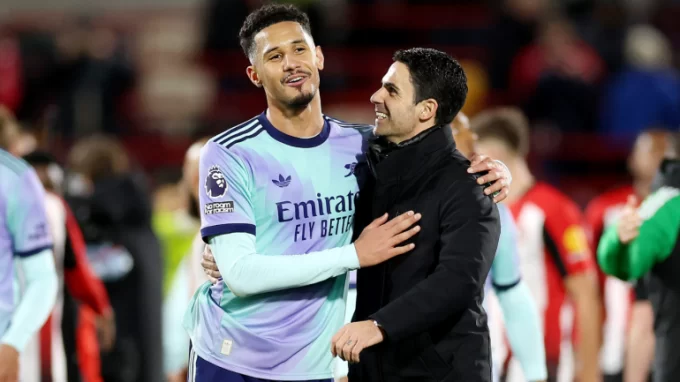
William Saliba: Arsenal’s Silent Architect or Its Greatest Gamble?
The air inside the Emirates shifts with unspoken tension—William Saliba, once a...
 Joseph Bennett2 Mins read
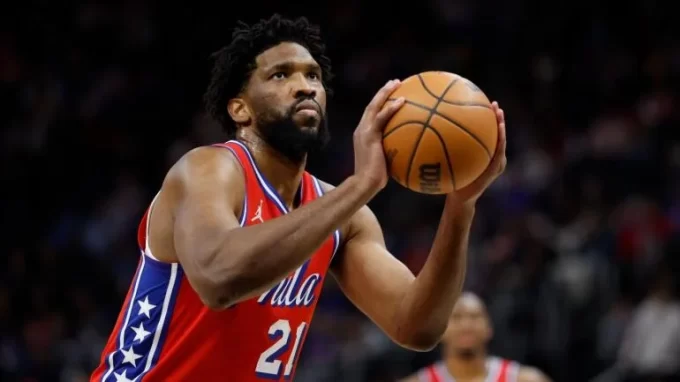
Joel Embiid’s Quiet Confidence: Is the 76ers’ Giant Ready to Rewrite His Story?
Joel Embiid is rarely one to make noise without purpose, and now,...
 Kirsten Collins1 Mins read
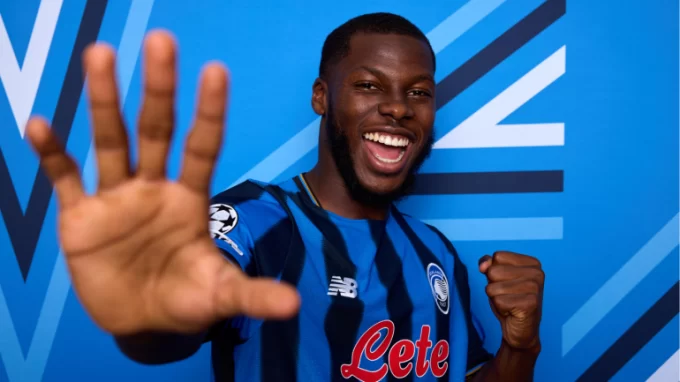
Juventus, Atalanta, and Arsenal’s Quiet Revolution: What’s Really Shaping This Week in Football?
The roar of Serie A stadiums masks a subtle shift, one that...
Kirsten Collins2 Mins read




Leave a comment