

Women Are Reclaiming the Spotlight—But Are They Ready to Take Over Hollywood?
In a groundbreaking partnership, Women in Film and Television International joins forces with Stage 32 to empower female filmmakers. But as the industry's gender dynamics shift, one question remains: Can this collaboration change Hollywood forever?
 Kirsten CollinsMay 16, 20252 Mins read64

There’s a new wave crashing through Hollywood’s glistening shores—one that carries the voices of women who are no longer content to merely be a part of the story but are rewriting it. Enter the latest partnership between Women in Film and Television International (WIFTI) and Stage 32, an alliance that promises not just to alter the landscape but to obliterate the boundaries once defined by gender. But is this collaboration truly the change that will ripple through the halls of Tinseltown, or will it dissipate, like so many others before it?
A Partnership for Change or a Strategic Move?
The partnership between WIFTI and Stage 32, platforms that have long been champions of female creators, is presented as a game-changer. And it’s easy to see why. With women making up only a fraction of leadership roles in film and television, this collaboration promises to bridge a significant gap by offering training, mentorship, and industry access to women looking to break through the glass ceiling.
But what’s not being asked, or even dared to ask, is whether Hollywood is truly ready for this change—or if this partnership is merely a fleeting gesture, a nod to diversity without any real commitment to dismantling the deeply rooted structures that have kept women out of positions of power for decades. Women have always been part of the narrative, but power—real power—has never belonged to them. This partnership is a step forward, but is it enough to redefine what it means to be a female creator in an industry that still operates like an old boys’ club?
Breaking the Mold
For all the talk of gender equality and “representation,” the reality is that women in Hollywood remain largely invisible in the spaces that matter most. It’s not just about more women on screen—it’s about more women calling the shots, writing the scripts, and holding the purse strings. The WIFTI-Stage 32 collaboration is a powerful symbol, but what happens when the women trained through this initiative are finally in the room where it happens? Will they be empowered to dismantle systems that have allowed men to monopolize power for so long, or will they be forced to navigate a landscape designed to keep them at bay?
This is the real challenge that no one is talking about—the true test of whether this partnership can reshape Hollywood into a place where women are no longer underrepresented, but where they dominate the boardrooms, the creative meetings, and the casting calls. There’s potential here, but it’s not enough to be at the table; women need to own the table.
Changing the Game
Even more compelling than the initiative itself is the realization that this moment isn’t just about women gaining access—it’s about changing the very fabric of the industry. It’s not about fitting into a space that was never designed for them but about constructing entirely new spaces where their voices are not only heard but celebrated.
As the world watches, the question arises: can this partnership truly spark the revolution in filmmaking that it promises, or will it remain just another campaign designed to placate those who have waited far too long for real change?
The partnership represents more than a practical step toward equality; it’s a call to arms for a cinematic revolution. A revolution that dares to ask: will women continue to be the muse, or will they become the masters?
Hollywood has been reshaped by many, but the winds of change are finally beginning to blow in a new direction. It’s no longer a question of when women will lead the way—it’s whether they’ll be allowed to. This partnership could be the spark, but only time will tell if it ignites a fire capable of burning down the old guard.







5 Things About the New HBO ‘Harry Potter’ Star – Hollywood Life
Image Credit: Aidan Monaghan/HBO Dominic McLaughlin may be a newcomer to Hollywood,...
Kirsten Collins1 Mins read
Why Is Sora Shutting Down? Inside the Closure of the OpenAI App – Hollywood Life
Image Credit: NurPhoto via Getty Images Sora, the first standalone OpenAI app...
Kirsten Collins2 Mins read
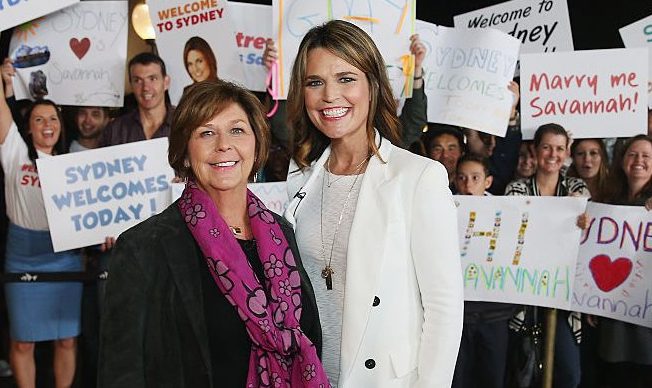
Is Savannah Guthrie Coming Back to the ‘Today’ Show? What We Know – Hollywood Life
Image Credit: Getty Images Savannah Guthrie has stepped away from the Today show...
Kirsten Collins2 Mins read
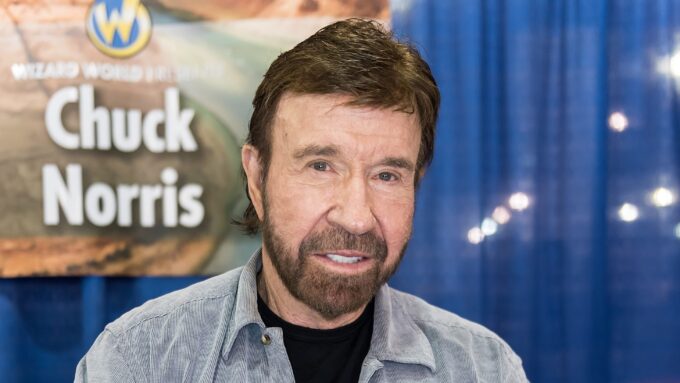
How Did Chuck Norris Die? Updates on the Late Actor’s Cause of Death – Hollywood Life
View gallery Image Credit: Getty Images Chuck Norris, the actor and martial...
Kirsten Collins2 Mins read





Leave a comment