

BTS’ ‘Permission to Dance On Stage’: A Live Album That Could Rewrite Their Story
As BTS prepares to release their live album ‘Permission to Dance On Stage,’ the anticipation is more than just about music—it’s about capturing a cultural moment that might never repeat. What does this release mean for BTS and their global legacy?
 Joseph BennettJune 30, 20251 Mins read17
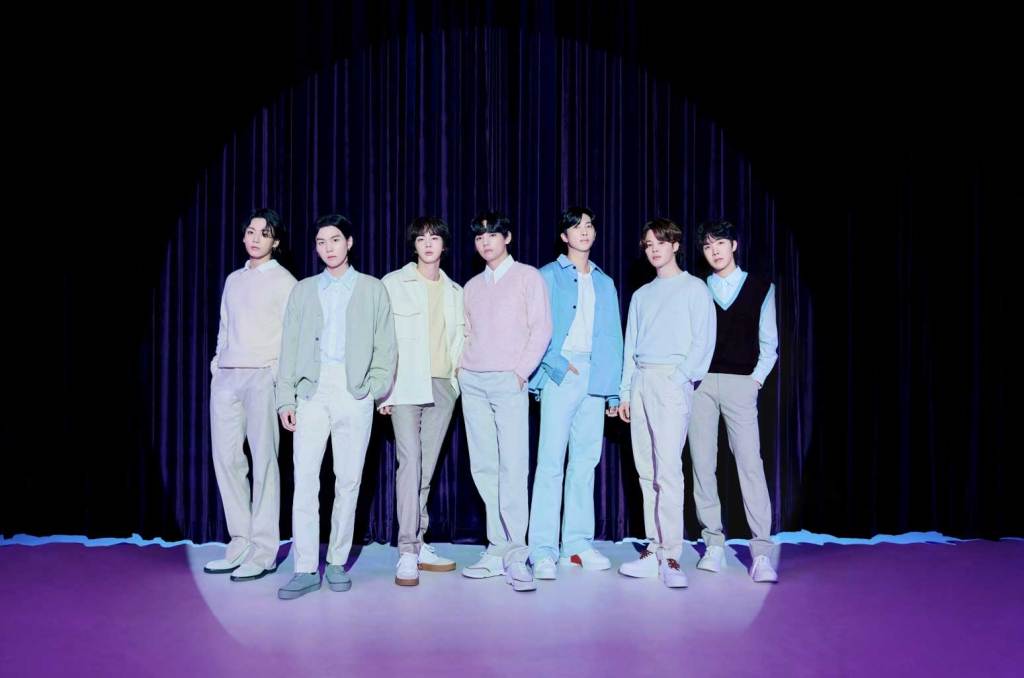
A stage is a universe where time suspends, and BTS’s live album, Permission to Dance On Stage, promises more than sound—it promises an experience crystallized in sonic memory. Yet, beneath the gleam of spotlights and soaring choruses lies a question: can a live album truly capture the ephemeral magic of BTS’s world-shaking concerts?
There’s an allure in the live album format—raw, unedited, electric—but BTS’s narrative is anything but ordinary. Their music is the soundtrack of a generation navigating identity, loss, and hope. This release isn’t just a record; it’s a statement on the enduring power of presence, even when physical stages fade into memory.
More Than Music: A Cultural Mirror
The live album arrives amid a shifting landscape—BTS’s individual pursuits, K-pop’s relentless evolution, and a fandom hungry for connection. When RM, Jungkook, and the rest sing into a microphone, they channel something beyond melody; they channel a collective heartbeat. As one fan recently put it, “It’s not just a concert—it’s a homecoming.”
But can a recording truly encapsulate that homecoming feeling? Or is the live album a bittersweet reminder of moments that are gone the instant they begin? The paradox is deliciously complex.
The Weight of Legacy
In releasing Permission to Dance On Stage, BTS faces more than technical challenges—they face history. This album could cement their legacy as architects of global musical diplomacy, or it could reveal cracks beneath the polished veneer. Yet, isn’t every legacy built on moments like these—raw, fleeting, and fiercely human?
One wonders: does this album whisper farewell, or herald a new beginning? For BTS and their fans, the question lingers like the final note of a song too beautiful to end.
The curtain rises again, but what we hear this time might echo forever. In the silence between the beats, are we listening to an ending, a beginning, or something altogether more mysterious?






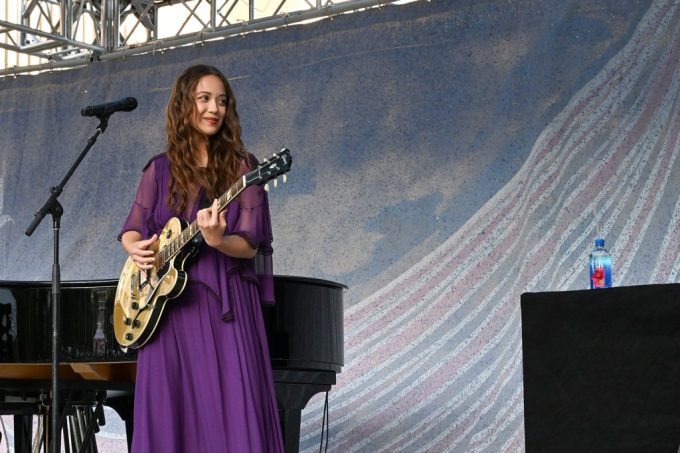
Laufey’s Opening Night Show at LA’s Crypto.com Arena: Best Moments
Laufey opened a two-night stand at Crypto.com Arena in downtown Los Angeles...
 Chris Marks6 Mins read

Julie Adam Is Billboard Canada Women in Music’s 2025 Exec of the Year
Julie Adam is having a milestone year — and it’s getting even...
Chris Marks4 Mins read

Spinal Tap Tribute Album with Foo Fighters,Tool for Teen Cancer America
Spinal Tap may be a fake band, but its music is very...
Chris Marks2 Mins read
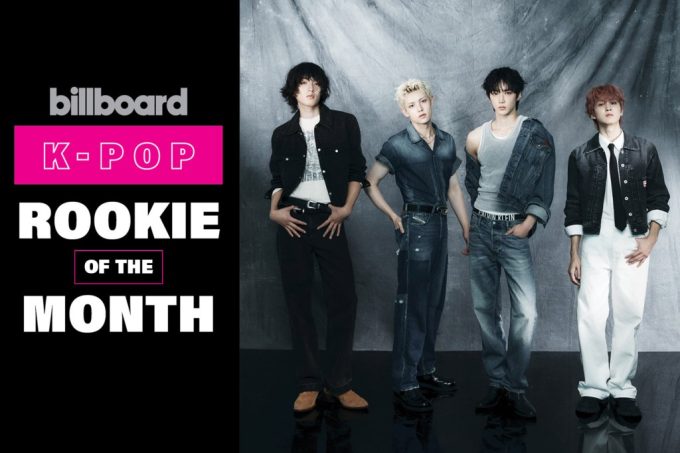
AxMxP Is K-Pop Rookie of the Month for September: Exclusive Photos
Ha Yoo Joon Image Credit: Chin Soyeon You debuted on Sept. 10....
Chris Marks2 Mins read




Leave a comment