

Africa’s Moment at Cannes: The Future of Film Is Here, But Will the World Listen?
The Cannes Film Festival has long been the epitome of cinematic prestige, but this year, the spotlight was unmistakably trained on Africa. With films from the continent making waves, could this be the moment that African cinema finally gets the global recognition it deserves?
 Joseph BennettMay 16, 20252 Mins read17
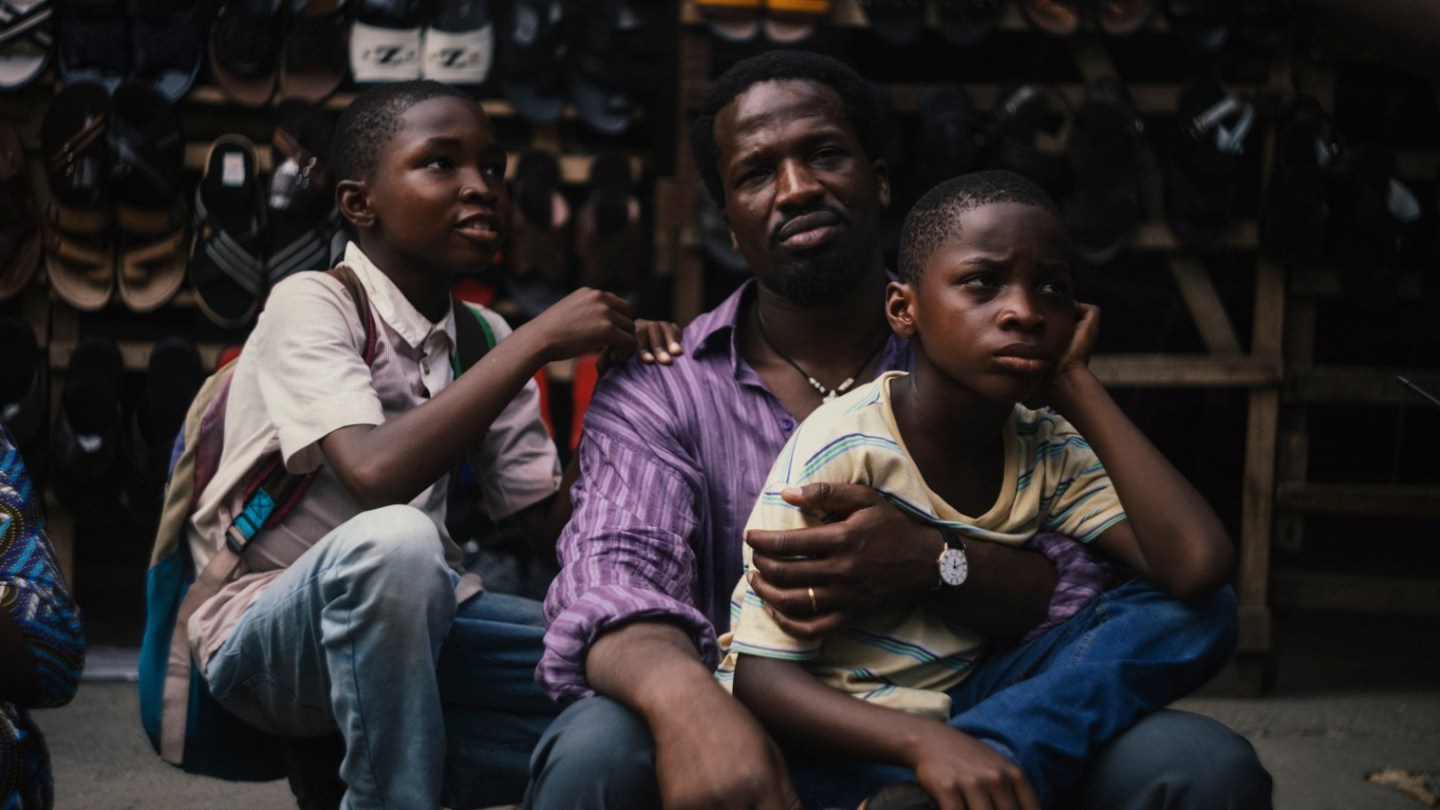
This year, something seismic happened in Cannes. It wasn’t a director’s fiery speech or an unexpected Palme d’Or winner. It was something quieter, subtler—yet with echoes that could change the course of cinema forever. Africa’s film industry, often relegated to the margins of global cinema, finally stood center stage, demanding to be heard. Films from across the continent, with their rich tapestry of stories, cultural depth, and raw talent, broke the festival’s silence and made an undeniable mark.
The Weight of Representation
For too long, African cinema has been reduced to a niche, often limited to stories of hardship, poverty, and political struggle. While these stories are necessary, they do not encompass the full spectrum of the continent’s vibrant cultures and narratives. This year, however, the films presented at Cannes were as varied as the countries they represented. From the lush, cinematic beauty of The Woman King to the haunting, introspective power of Tinghir-Jerusalem: Echoes from the Mellah, African filmmakers expanded the conversation beyond the expected, injecting fresh voices and perspectives into the global film scene.
It’s not just about stories from Africa; it’s about stories by Africa. And this distinction matters. These films reflect a growing, powerful movement of African filmmakers determined to take their stories to the world stage—and to do so on their own terms.
A Shift in Power Dynamics
The presence of Africa at Cannes is more than a mere trend—it signals a shift in power. The film industry has long been dominated by Western perspectives, but what happens when a continent with over 1.4 billion people begins to carve out its own narrative? The answer is still unfolding, but the seeds are already there. These films—ranging from experimental, avant-garde pieces to sweeping historical epics—suggest that Africa’s cinematic future will not just participate in the global conversation; it will help shape it.
The question remains: will the world listen? Will international audiences and distributors wake up to the power and potential of African cinema, or will this moment at Cannes be fleeting, a mere blip in the long history of underrepresentation? The power lies not only in what was shown, but in how the world chooses to respond.
Cultural Convergence
One of the most significant aspects of this shift is the cultural convergence happening right before our eyes. African filmmakers are no longer trying to mirror Western filmmaking models; they are defining their own aesthetics, blending traditional forms with modern techniques, and pulling from a vast well of cultural influence. This is not just a celebration of African identity—it’s a reinvention of cinema itself.
“Cinema is not just entertainment, it’s a way of life,” says one of this year’s breakout directors, who’s quickly gaining international recognition. Her words echo a sentiment that is gaining traction in global film circles: African filmmakers aren’t just sharing their culture—they’re reshaping the way stories are told, seen, and understood worldwide.
The Bigger Picture
In an age where diversity has become a buzzword, African cinema isn’t asking for inclusion—it’s demanding attention. And not just from Cannes, but from every corner of the global film industry. The question is no longer whether Africa will have a seat at the table—it’s how much of the table will it end up taking for itself?
The future of film is being written in Africa. If this year’s Cannes is any indication, the world may not be able to ignore it for much longer. The question that remains is whether we’ll be ready to listen when the world-changing stories begin to unfold.






Where Is Lawrence Jones on ‘Fox & Friends’? Health Update Amid Hiatus – Hollywood Life
Image Credit: Getty Images Fans of Lawrence Jones, a Fox & Friends...
 Kirsten Collins1 Mins read

Who Is Lexi Minetree? 5 Things to Know About the ‘Elle’ Series Actress – Hollywood Life
View gallery Image Credit: Getty Images for Hello Sunshine Lexi Minetree plays...
Kirsten Collins2 Mins read
Release Date, Cast & Updates on ‘Elle’ – Hollywood Life
View gallery Image Credit: Courtesy of Prime Video What, like producing a...
Kirsten Collins2 Mins read

Updates on Academy Award Nominations – Hollywood Life
Image Credit: Warner Bros. Pictures Awards season kicked off earlier this month,...
Kirsten Collins2 Mins read




Leave a comment