

The Return of the Point God: Chris Paul’s Final Act Begins in Los Angeles
Chris Paul is coming back to the Clippers—and James Harden. But this isn't nostalgia. It’s a calculated gamble disguised as sentiment. And it could rewrite more than just his legacy.
 Chris MarksJuly 28, 20252 Mins read24
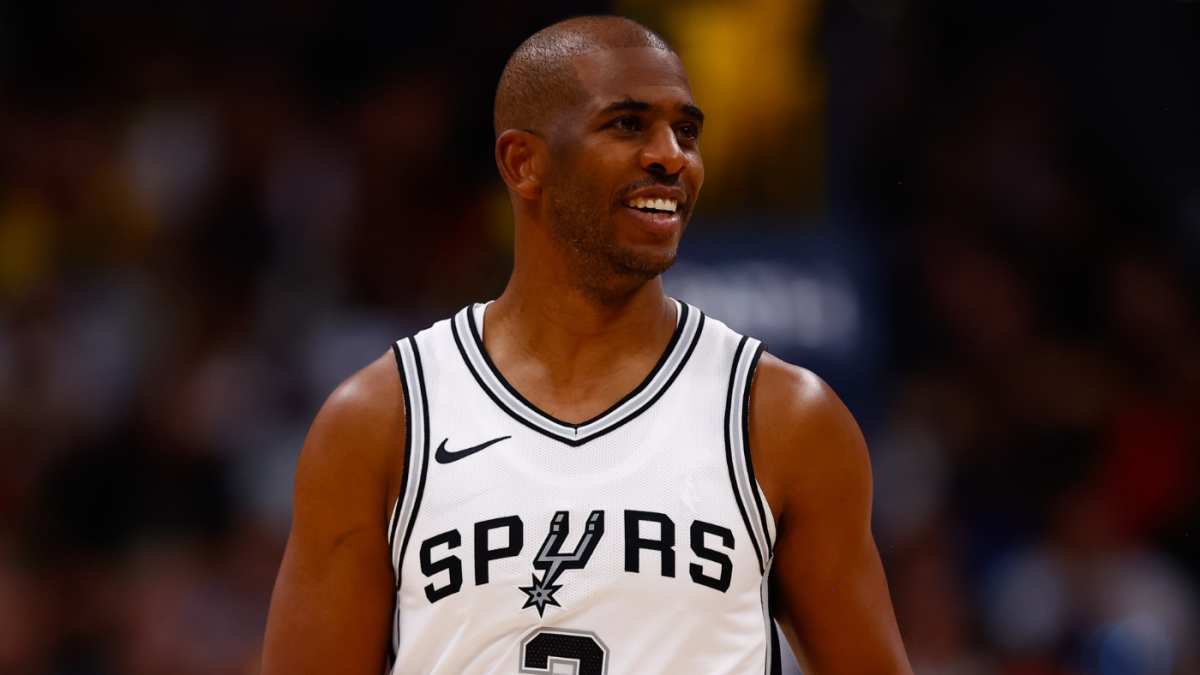
Chris Paul always knew how to control the tempo—on the court, and off it. So when the news dropped that he would be returning to the Los Angeles Clippers, reunited with James Harden in what could be the last real shot at a ring, the narrative was already being shaped. This wasn’t a comeback. It was a reframe. A curation of unfinished business draped in just enough sentiment to distract from the ruthlessness beneath.
“I know what’s left in the tank,” Paul told Showline, smiling through the weight of time. But beneath that smile was a chess move—quiet, deliberate, and rooted in something only the greats understand: legacy isn’t what you leave behind. It’s what you edit before you exit.
The Myth of Full Circle
There’s a reason why “returning” stories feel so cinematic. The hero comes home. The wounds are healed. The crowd remembers. But CP3 isn’t chasing nostalgia—he’s trying to clean the record. The Clippers, once a chaotic chemistry experiment, are now older, hungrier, and oddly aligned. Harden is here. Kawhi, maybe. The system, such as it is, feels like it needs not youth, but wisdom.
And wisdom is Paul’s final currency. Not speed, not flash—just control. If he can orchestrate one last run through this brittle Clippers core, it would be less about the title and more about reclaiming authorship over a career often defined by “almost.”
His partnership with Harden will be dissected and doubted—again. But this time, both men arrive without the illusions of youth. Harden knows he is no longer the main act. Paul knows he cannot outpace time. That honesty, strangely, may be the very thing that works.
Every Ending Needs a Rewrite
This move isn’t about building. It’s about reckoning. Chris Paul has played with superstars, carried franchises, and fallen in the most theatrical of ways—blown leads, mysterious injuries, sudden collapses. But he’s never folded. Never vanished. What he’s doing now is rare: returning not to prove he’s still elite, but to prove he still matters.
What does it mean when a point guard—long celebrated for making others better—turns that lens on himself?
Los Angeles may not be where Paul retires, but it will be where he decides how he’s remembered. The city is different now. The game is faster, younger, louder. But Paul walks back in with the one thing no rookie can manufacture: an edge sharpened by disappointment.
So what do you call a player who returns not for glory, but for closure? Chris Paul’s final chapter may not be written in banners or parades—but in the subtle way he reminds us that not every masterpiece is loud.
Sometimes, the greatest act of power… is knowing exactly when to walk back in.





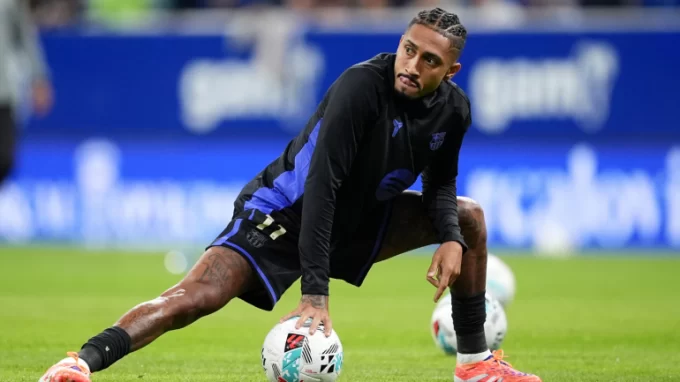
Barcelona’s Fragile Pursuit: When Injuries Threaten More Than Just a Season
A silence spreads over Camp Nou that no roar can drown out—two...
Chris Marks2 Mins read
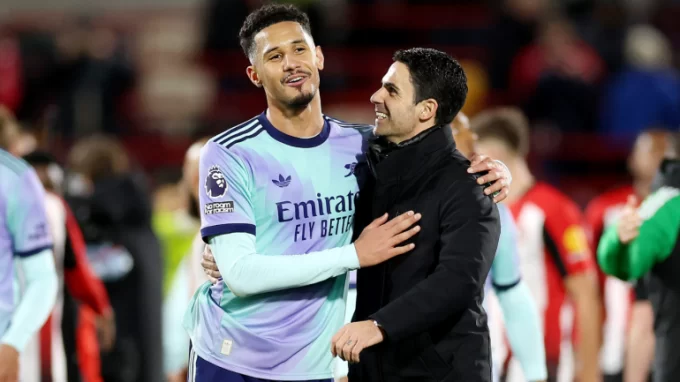
William Saliba: Arsenal’s Silent Architect or Its Greatest Gamble?
The air inside the Emirates shifts with unspoken tension—William Saliba, once a...
 Joseph Bennett2 Mins read
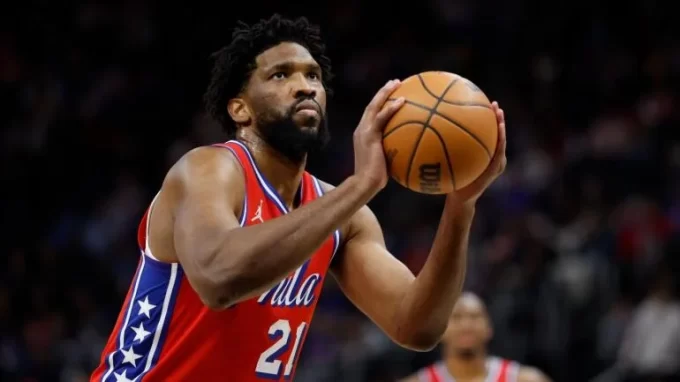
Joel Embiid’s Quiet Confidence: Is the 76ers’ Giant Ready to Rewrite His Story?
Joel Embiid is rarely one to make noise without purpose, and now,...
 Kirsten Collins1 Mins read
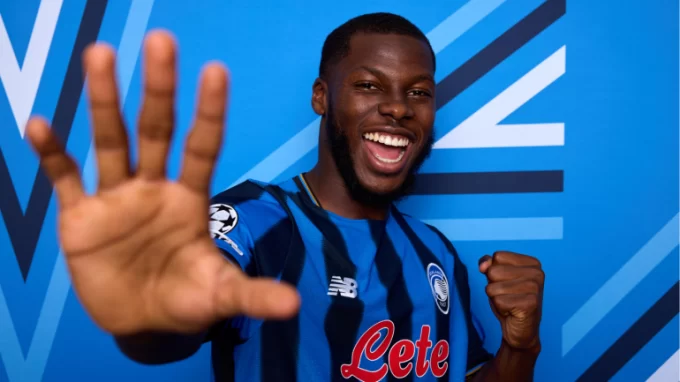
Juventus, Atalanta, and Arsenal’s Quiet Revolution: What’s Really Shaping This Week in Football?
The roar of Serie A stadiums masks a subtle shift, one that...
Kirsten Collins2 Mins read





Leave a comment