

Aziz Ansari’s Apology: The Uncomfortable Mirror of #MeToo
Aziz Ansari’s personal apology amid sexual misconduct allegations reopens a fissure in the cultural conversation—how do we reconcile accountability with complexity, and what does true remorse look like in a world still wrestling with consent?
 Chris MarksSeptember 3, 20251 Mins read61
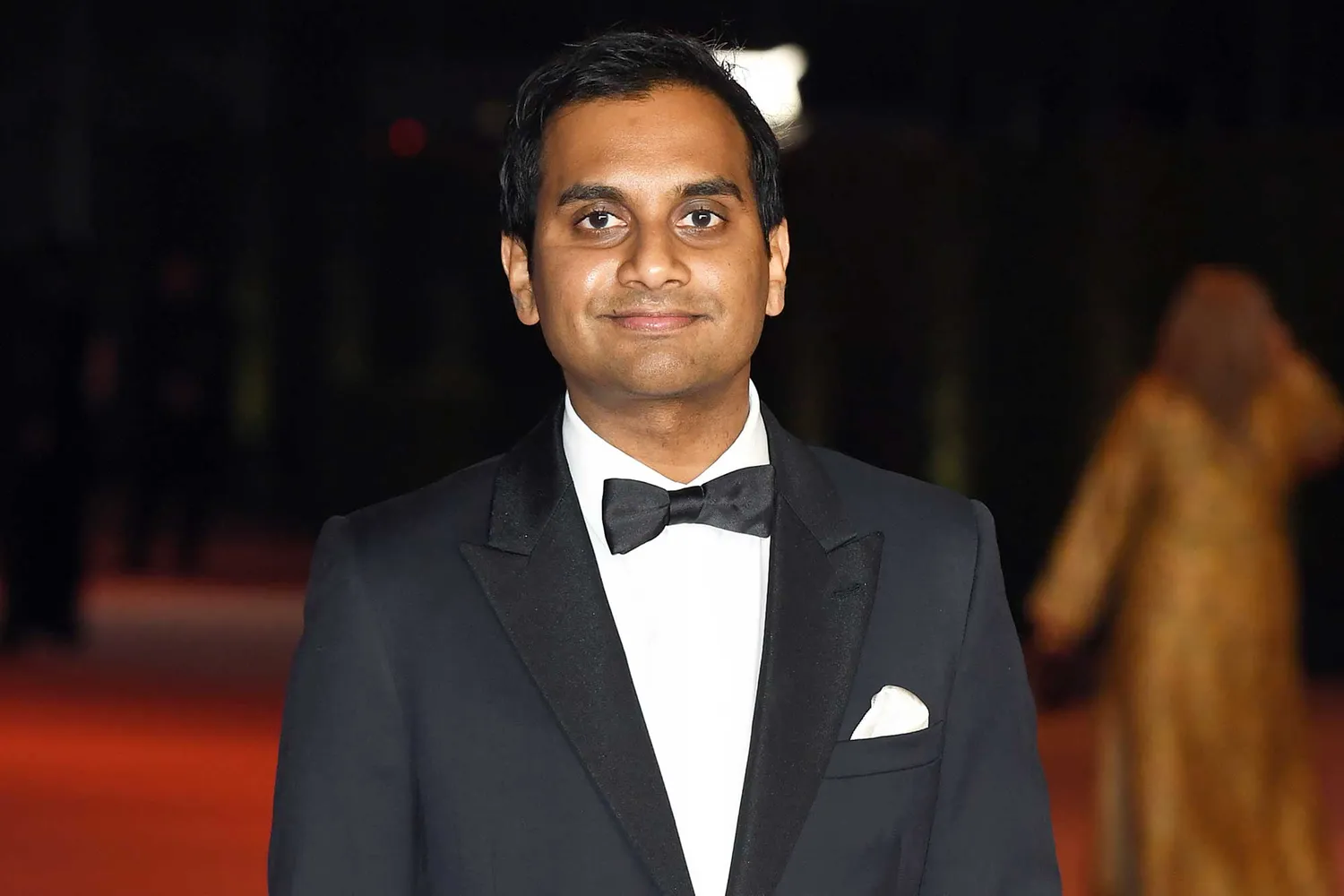
The silence after the storm is often the loudest part. When Aziz Ansari finally spoke—a personal apology wrapped in the complexity of his situation—it wasn’t just an actor’s mea culpa. It was a cultural moment pregnant with contradictions, forcing us to ask: how does accountability unfold in the messy gray spaces of consent and perception?
His apology feels less like closure and more like a question thrown at a world desperate to define right and wrong in sharper terms. Ansari’s experience exposes the uncomfortable dance between public judgment and private remorse, a choreography few are prepared to perform.
When Apologies Become Performances
The very act of apologizing—especially under a spotlight—is fraught with tension. Is it genuine? Strategic? Defensive? Ansari’s words, “I am sorry for any pain I caused,” carry the weight of humility but also the echo of ambiguity. In a society hungry for clear villains, this ambiguous contrition unsettles us. What does true accountability look like when fault is tangled with misunderstanding?
This isn’t a simple reckoning. It’s a cultural labyrinth where every step forward risks reopening wounds or fueling skepticism. Ansari’s apology is not just about one man—it’s a prism reflecting the broader struggle to balance justice, empathy, and the complexities of human interaction.
The Unseen Shadows of #MeToo
Beneath the headlines and hashtags lies a deeper question few want to face: can redemption coexist with accountability? Ansari’s case reveals the fault lines in our collective approach to misconduct—how much space is there for growth, for nuance, for the imperfect human grappling with mistakes?
As we watch the narrative unfold, we’re left to wonder: does society demand punishment or transformation? And in demanding one, do we risk denying the other? The answer is elusive, shimmering just beyond our grasp, as fragile as the very trust we seek to rebuild.
Aziz Ansari’s apology is not an end, but an invitation—an uneasy invitation—to look closer, listen harder, and wrestle with the truths that don’t fit neatly into a headline.
- #MeToo movement
- accountability in entertainment
- Aziz Ansari apology
- Aziz Ansari controversy
- Aziz Ansari misconduct allegation
- celebrity apologies
- celebrity scandal analysis
- consent culture
- cultural criticism
- Hollywood sexual misconduct
- power dynamics in relationships
- public apologies
- sexual misconduct in Hollywood
- social justice and comedy







When Mercy Meets Tragedy: The Widow Who Forgave Her Husband’s Killer
The air thickens when forgiveness enters a room meant for grief. Imagine...
Chris Marks1 Mins read

When Fear Became a Lifeline: Pete Davidson’s Reckoning in Rehab
There’s a silence that follows a mother’s voice when she confesses her...
 Joseph Bennett1 Mins read
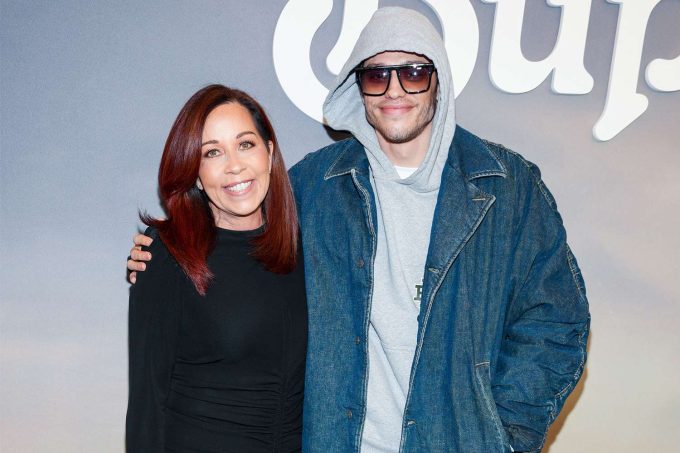
Pete Davidson’s mom told him in rehab worst fear was learning he died
Pete Davidson is opening up about the heartbreaking moment he had with...
Chris Marks2 Mins read

Katie Couric’s Unexpected Spin on Sydney Sweeney’s American Eagle Ad: What’s Really Being Said?
Katie Couric stepping into a scene dominated by Gen Z glamour feels...
 Krista Freeland2 Mins read





Leave a comment