

Dylan Cease: The Unseen Tension Behind the Cramp
Dylan Cease’s unexpected departure from the mound might not be a cause for panic, but what does it reveal about the precarious nature of elite pitching? Is a cramp just a cramp, or a signal of deeper fragility?
 Chris MarksMay 7, 20253 Mins read70

When Dylan Cease left the mound mid-start against the Yankees, the world held its breath—but not for long. A cramp, the official diagnosis, felt like a sigh of relief. After all, it could have been worse, right? The Padres, in their typical understated fashion, downplayed the issue. But here’s the question: What if a cramp isn’t just a cramp? What if the language of injuries, so often drenched in medical jargon and casual reassurances, is just a smokescreen? Perhaps there’s something deeper lurking beneath the surface of Cease’s departure that no one wants to acknowledge. After all, elite pitchers, like Cease, live on the edge of the sublime and the fragile—each pitch, each movement, a calculated risk.
For the casual observer, a cramp in the leg doesn’t seem like much. We’ve all had one; we’ve all stretched it out and moved on. But Cease isn’t just any player—he’s an ace, a flame-thrower, a key piece of a rotation that could shape a postseason. When an athlete like him is brought to the edge by something as ordinary as a cramp, it’s a reminder that even the strongest athletes are only human. But is it just a reminder? Or is it a warning shot?
The Fine Line Between Strength and Fragility
What Cease’s cramp does is expose a paradox in professional sports: the body is both a weapon and a ticking clock. A cramp might seem harmless in isolation, but for pitchers, every single motion is an intricate dance of precision and power. One misstep—one misplaced muscle or joint—can be the difference between a career year and an early exit. So, when Cease, the engine of his team, walks off the mound with his leg stiffening, it sparks questions that go beyond the immediate game. How much of Cease’s pitching success is based on sheer willpower and how much on the natural wear of a body pushed to the brink? As great as he is, how much longer can Cease defy his own anatomy?
“We don’t think it’s anything serious,” the Padres staff insists. Yet, these reassurances ring hollow, don’t they? Are they simply a way of avoiding the deeper, more unsettling truth? How many players have been sidelined by injuries that began as “small” issues, a cramp here or a stiff shoulder there? The cramp might have been the catalyst for a larger story that no one’s quite ready to face.
The Unseen Cost of Excellence
What happens when the magic wears off? When a cramp isn’t just a cramp, but a subtle sign of the relentless wear and tear on an elite athlete’s body? Cease’s value to the Padres isn’t just in his ability to get outs—it’s in his ability to remain untouchable for entire seasons. But that very excellence comes at a price. To throw a fastball with velocity, to command every pitch in a way that leaves hitters frozen, requires an almost impossible combination of strength, flexibility, and endurance. The minute one of these elements falters, the consequences could be catastrophic.
But what of the narrative that surrounds these moments? “He’s fine,” the coaches say. “Just a cramp.” But what is left unsaid? That’s the real question. We know Cease’s potential to dominate. But with each passing game, with each inning under the lights, we see the cracks in the armor grow ever so slightly wider. Could this be a rare moment of fragility, a temporary glitch, or is it the beginning of a larger unraveling?
As the season progresses, it’s worth remembering that every pitching ace, no matter how strong, is only a cramp away from a season-changing injury. And yet, it’s the tension between that potential and the reality of human vulnerability that makes watching Cease so compelling. In that one moment of hesitation—when he left the mound, his leg stiffening—it wasn’t just his body that was in question. It was the weight of expectations, the price of excellence, and the delicate line between dominance and fragility.
The truth? We may never really know the full extent of Cease’s injury until much later. But in that moment, with his body betraying him in a seemingly inconsequential way, something larger was revealed: the fine line between greatness and vulnerability that every pitcher, every athlete, must walk.
Is it possible that the cramp tells us more than we care to admit? And if so, what will it take for us to face the inevitable truth?







Barcelona’s Fragile Pursuit: When Injuries Threaten More Than Just a Season
A silence spreads over Camp Nou that no roar can drown out—two...
Chris Marks2 Mins read
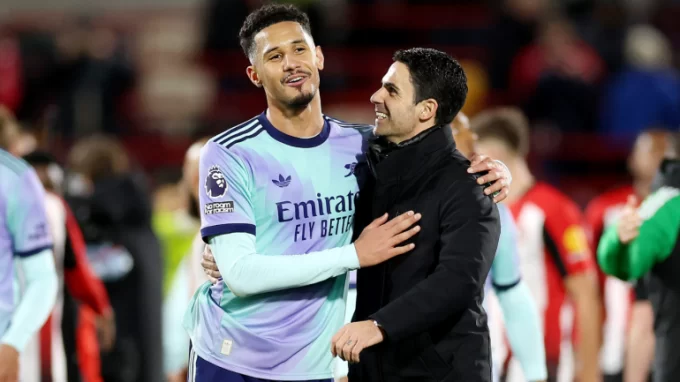
William Saliba: Arsenal’s Silent Architect or Its Greatest Gamble?
The air inside the Emirates shifts with unspoken tension—William Saliba, once a...
 Joseph Bennett2 Mins read

Joel Embiid’s Quiet Confidence: Is the 76ers’ Giant Ready to Rewrite His Story?
Joel Embiid is rarely one to make noise without purpose, and now,...
 Kirsten Collins1 Mins read
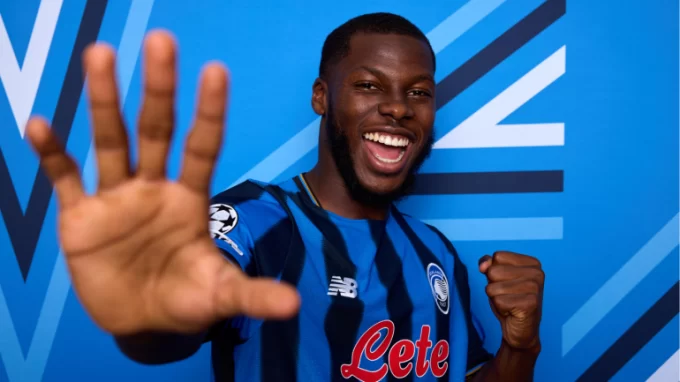
Juventus, Atalanta, and Arsenal’s Quiet Revolution: What’s Really Shaping This Week in Football?
The roar of Serie A stadiums masks a subtle shift, one that...
Kirsten Collins2 Mins read





Leave a comment