

Books with Blood in Their Ink: South Africa’s Literary Seduction
Easter is for resurrection—but in South Africa, the stories never died. These books don’t just entertain, they haunt, challenge, and whisper things the headlines never dared.
 Chris MarksApril 16, 20251 Mins read69

A woman is boiling rooibos on a rusted stove while, outside her window, a township rumbles with the weight of memory. The book in her lap is not a prop. It’s a weapon. A confession. A map.
There’s a myth that Easter is soft, that its symbols—pastels, eggs, lilies—exist only to soothe. But in South Africa, stories bloom like something closer to thorns. The nation’s literature doesn’t whisper sweet nothings; it interrogates the ghosts sitting beside you. And this Easter, the suggested reads aren’t mere escapes—they’re excavations.
We don’t often speak of books as dangerous during holidays. We reach for comfort. But what if the discomfort is the gift?
Pages that Don’t Apologize
There’s something audacious about reading Disgrace on a quiet farm holiday. Or revisiting Bessie Head’s exile-fueled prose in a coastal guesthouse where everything appears “just fine.” These works weren’t meant for ease. They press their fingers into your chest and ask: What did you inherit, and who paid for it?
Even newer voices—like Kopano Matlwa or Masande Ntshanga—don’t offer clean takeaways. Their narratives operate in spaces where trauma is inherited, laughter is a weapon, and survival isn’t always pretty. “Our country isn’t just land,” a character mutters in one of these novels, “it’s mood. It’s memory.” These books aren’t trying to be universal. They’re trying to be honest.
And in that honesty lies their seduction.
Ink that Smells Like Soil and Smoke
The Easter escape, then, becomes an illusion. What you’re doing is stepping into the wild terrain of lived lives, compressed into sentences that bite and bloom. You’re not leaving your world behind—you’re seeing it refracted through one cracked, astonishing lens.
South African literature carries the burden of beauty made under duress. It’s not afraid of silence. It’s not embarrassed by rage. It’s a body of work that insists—politely, poetically, then with knives—that stories are national infrastructure. You cannot understand this place, not really, until you’ve read it.
So yes, pack the sunscreen. Pack the picnic. But also pack something that will ruin you, just a little.
Because what kind of resurrection happens without reckoning?








When “107 Days” Meets Outcry: Harris’s Book Tour Interrupted
The microphone crackled to life, and before Harris could finish her opening...
Chris Marks1 Mins read
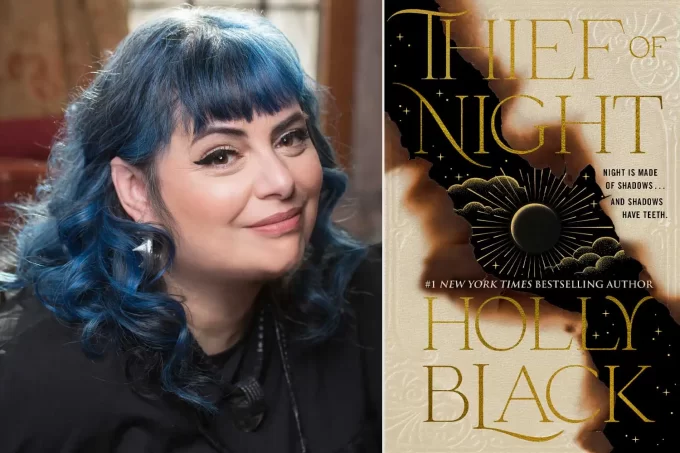
Whispers in the Shadows: Why Holly Black’s Sequel Is a Dark Invitation We Can’t Ignore
The night isn’t just dark—it’s ravenous, greedy, and it’s coming for you....
Chris Marks2 Mins read

Why Stephenie Meyer’s Regret About Edward Changes Everything You Thought You Knew
The moment Stephenie Meyer admitted she wouldn’t pick Edward Cullen today, a...
Chris Marks2 Mins read

When Fear, Fury & Feathers Collide: Cinema, Superheroes, and a Confessional Album
Open with tension—the kind that threads through a scream, a reveal, and...
Chris Marks2 Mins read





Leave a comment