

What a Bruise Doesn’t Show
Eugenio Suárez’s hand is fine—on paper. But just days before the MLB trade deadline, the real injury may be something no scan can catch: doubt.
 Chris MarksJuly 29, 20252 Mins read26
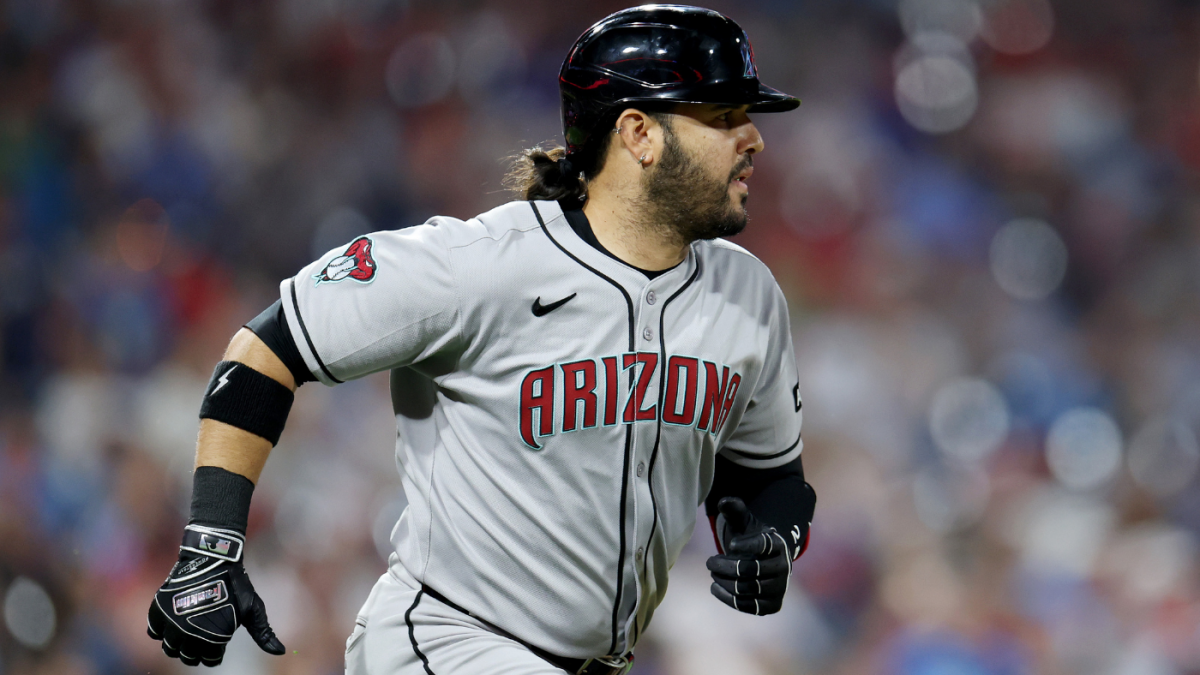
It looked harmless at first—an inside fastball that rode a little high, a sharp flinch, then the kind of silence that makes a dugout feel like church. Eugenio Suárez pulled off his glove and walked toward the clubhouse with that look professionals wear when they don’t want to tell the truth. Not to reporters, not to trainers, not to themselves.
The X-rays, the team assured us, were clean. But clean doesn’t mean clear. It doesn’t mean “fine.” Not when the MLB trade deadline is days away and a player’s hand, quite literally, holds the potential to redirect a pennant race. The Diamondbacks need him healthy. Other teams need him available. Everyone needs a version of the truth that doesn’t quite exist.
Beauty Is Skin-Deep—But Doubt Isn’t
What makes this moment remarkable isn’t the injury—it’s the timing. Suárez isn’t just another infielder with good reflexes. He’s the kind of player who becomes a whispered name in front offices. An under-the-radar prize. A bat with torque and a glove that doesn’t complain. He’s not flashy. He’s not loud. But right now, he’s valuable.
And that makes the bruise on his hand a currency of its own. One source close to the team remarked, “It’s nothing, but nothing always becomes something when money’s on the line.” It’s the kind of vague reassurance that smells like spin. Not a cover-up, exactly. More like a shrug with consequences.
Executives don’t trade in faith—they trade in metrics. And suddenly, Suárez’s metrics have shadows. They may not show up on a scan, but they linger—right where the bat meets the bone.
The Trade Market Doesn’t Blink—Even If You Do
If you’ve been watching baseball long enough, you know that clean tests don’t settle nerves. The real questions swirl beneath them: Will he hesitate on a diving catch? Will his swing shorten subconsciously? Will a pitcher test that hand again with inside heat?
Because trades aren’t just business—they’re theater. Suárez is now a character in a storyline no one wrote but everyone is watching. Will he be moved? Should he be moved? Is he the diamond-in-the-rough or the cautionary tale?
He still played the next day, which, in the language of baseball, says: “I’m fine.” But in the language of billion-dollar franchises, it says something else entirely: “We hope he’s fine enough not to cost us everything.”
—
What a strange game—where a bruise can bruise a market, and a clean X-ray can leave a stain no one can quite scrub out. If bones could talk, what would they tell us now? Would they whisper secrets from beneath the pine tar and pressure? Or simply stay quiet—and let the world assume they’re fine?


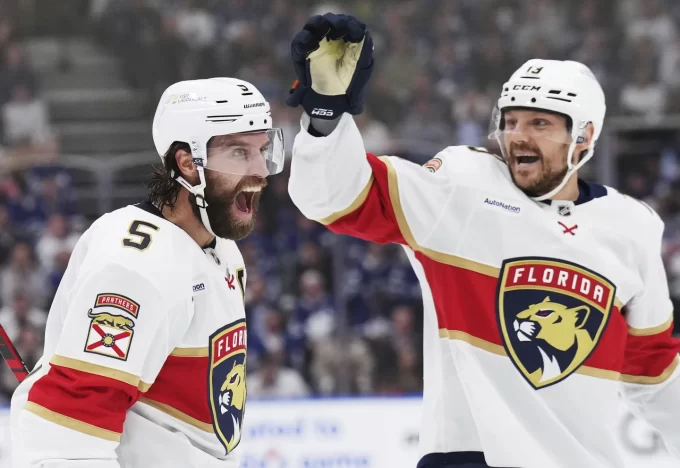



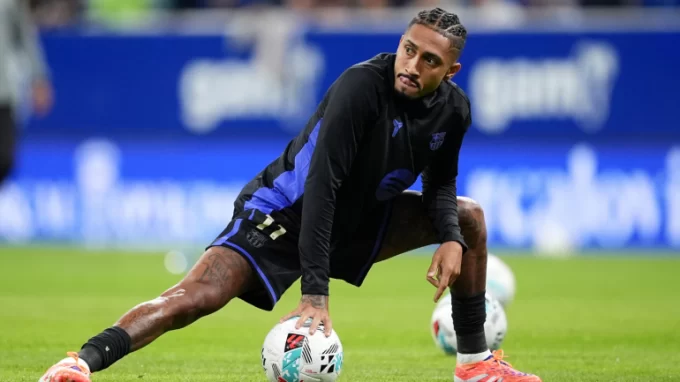
Barcelona’s Fragile Pursuit: When Injuries Threaten More Than Just a Season
A silence spreads over Camp Nou that no roar can drown out—two...
Chris Marks2 Mins read
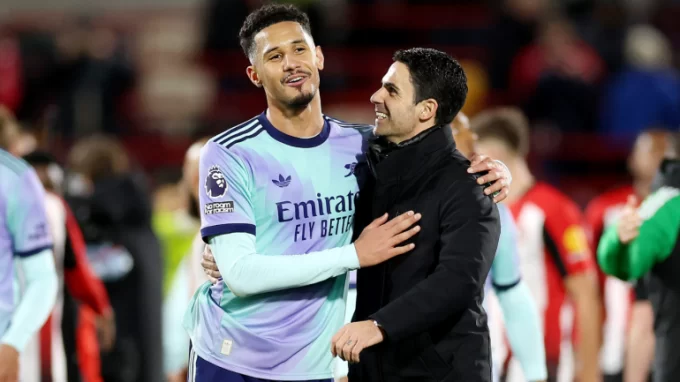
William Saliba: Arsenal’s Silent Architect or Its Greatest Gamble?
The air inside the Emirates shifts with unspoken tension—William Saliba, once a...
 Joseph Bennett2 Mins read
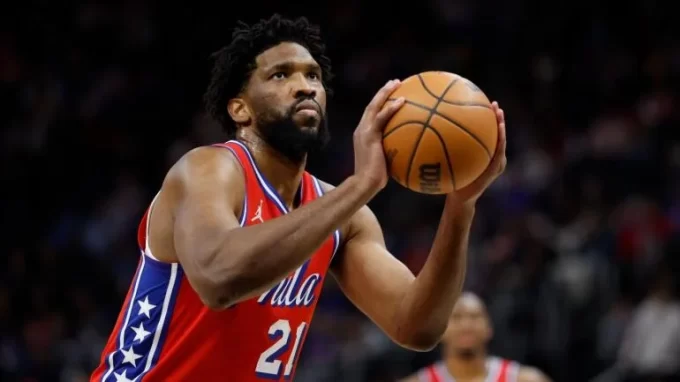
Joel Embiid’s Quiet Confidence: Is the 76ers’ Giant Ready to Rewrite His Story?
Joel Embiid is rarely one to make noise without purpose, and now,...
 Kirsten Collins1 Mins read
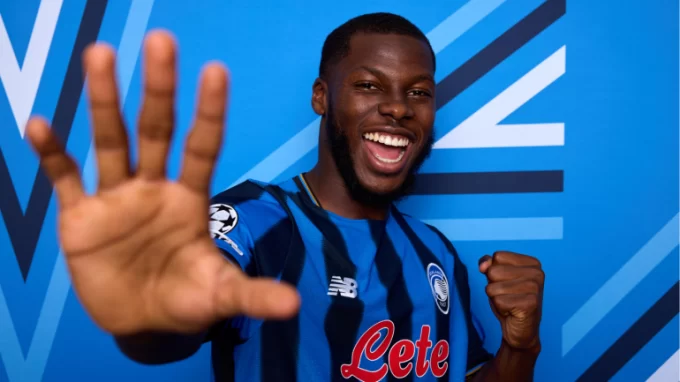
Juventus, Atalanta, and Arsenal’s Quiet Revolution: What’s Really Shaping This Week in Football?
The roar of Serie A stadiums masks a subtle shift, one that...
Kirsten Collins2 Mins read





Leave a comment