

The LeBron Effect: What Bronny James Can’t Learn From His Father
JJ Redick has the spotlight, Bronny James has the name, but what neither have is time. What must be unlearned may matter more than what is practiced.
 Joseph BennettJuly 29, 20252 Mins read61

He has the gait, the gaze, and the gravity of someone born into history, but none of the certainty. Bronny James, 19, jogs onto the hardwood with a last name that has rewritten the mythology of basketball. And yet—he is not LeBron. And the sport, so ruthlessly present-tense, is making that distinction louder by the day.
JJ Redick, the freshly minted head coach of the Lakers, now carries the impossible task: turning Bronny into more than a surname in sneakers. “He needs reps. He needs minutes. He needs failure,” Redick told Showline. The comment sounded routine. But within it echoed something darker: the quiet acknowledgment that the NBA may not wait.
Not Everyone Who Inherits the Crown Can Wear It
This is not a story about ability. Bronny is capable. He’s fast, smart, coachable. It’s what’s around him—cameras, contracts, conspiracies—that feels less sustainable. The very things built to launch him could just as easily erode him. When JJ Redick talks about “failure,” it’s not just about missed shots or lost games. It’s about letting go of the myth that pedigree is prophecy.
The myth, of course, is seductive. Bronny is the most Googled name in college basketball. He’s a draw, a headline, a storyline on legs. But none of that syncs with the slow, grim work of becoming great. And unlike most rookies, he must learn to disappear before he can emerge. He must train in silence while the world screams his name.
Legacy Is a Mirror That Distorts
There is something almost Shakespearean in watching Bronny attempt to carve out an identity under the arching shadow of a global icon—his own father. What makes it more complex is that LeBron, now entering his final acts, wants to play alongside his son. It’s beautiful. It’s cinematic. But is it fair?
In some corners of the league, murmurs suggest Bronny’s presence on the Lakers roster is more strategic than athletic—a gift-wrapped legacy moment. But what does that cost a young athlete? What does it do to one’s psyche to wonder whether you were drafted to win or to fulfill a father’s dream? “The worst thing,” one unnamed scout noted, “is when a player doesn’t know if he earned it.”
Redick, smartly, seems aware of this precarious ecosystem. He’s made clear that Bronny will earn every minute—or sit. But how many rotations will it take before the politics of celebrity collide with the cold arithmetic of performance?
The danger here is not failure. It’s performance without purpose. Identity without origin.
So what now? What happens when the world watches not for what you do—but for who you’re not? Bronny James will have to decide if he’s playing with gravity or under it. And if Redick is the right architect, maybe—just maybe—this becomes something more than a family affair.
But the more intriguing question might be this:
What if the most powerful thing Bronny James ever does is walk away from the myth entirely?






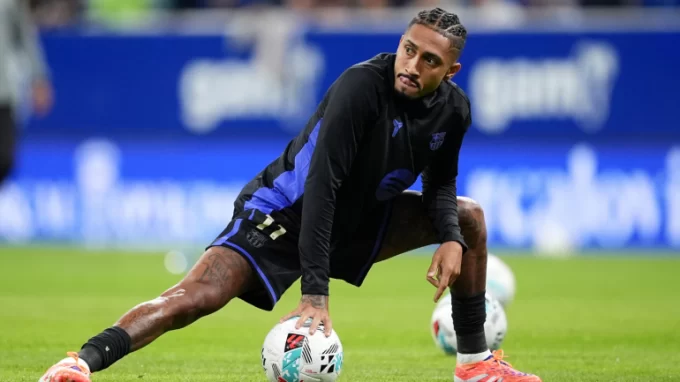
Barcelona’s Fragile Pursuit: When Injuries Threaten More Than Just a Season
A silence spreads over Camp Nou that no roar can drown out—two...
 Chris Marks2 Mins read
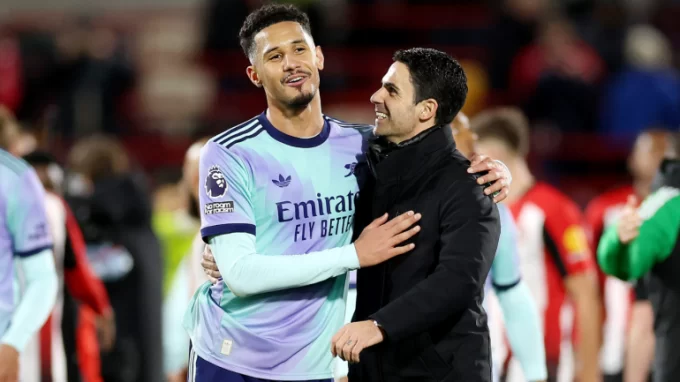
William Saliba: Arsenal’s Silent Architect or Its Greatest Gamble?
The air inside the Emirates shifts with unspoken tension—William Saliba, once a...
Joseph Bennett2 Mins read
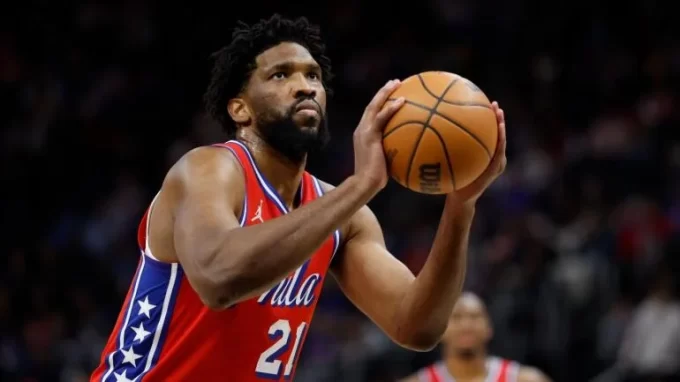
Joel Embiid’s Quiet Confidence: Is the 76ers’ Giant Ready to Rewrite His Story?
Joel Embiid is rarely one to make noise without purpose, and now,...
 Kirsten Collins1 Mins read
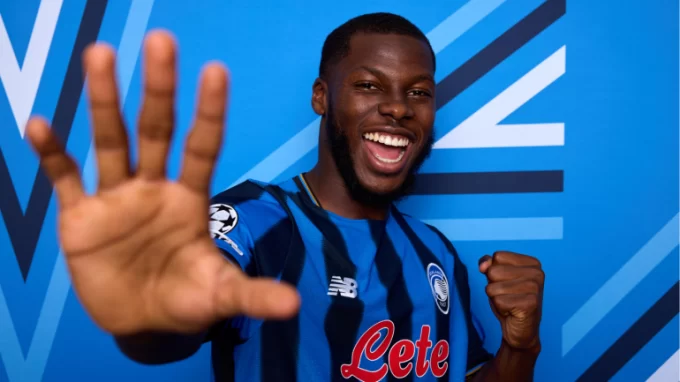
Juventus, Atalanta, and Arsenal’s Quiet Revolution: What’s Really Shaping This Week in Football?
The roar of Serie A stadiums masks a subtle shift, one that...
Kirsten Collins2 Mins read





Leave a comment