

Jason Segel Slipped Away Quietly—But Maybe That Was the Plan
He was the lovable giant in a network sitcom. Then he vanished into foggy indies and grief-tinted scripts. Jason Segel didn’t just pivot—he disappeared in plain sight.
 Joseph BennettMay 5, 20252 Mins read128
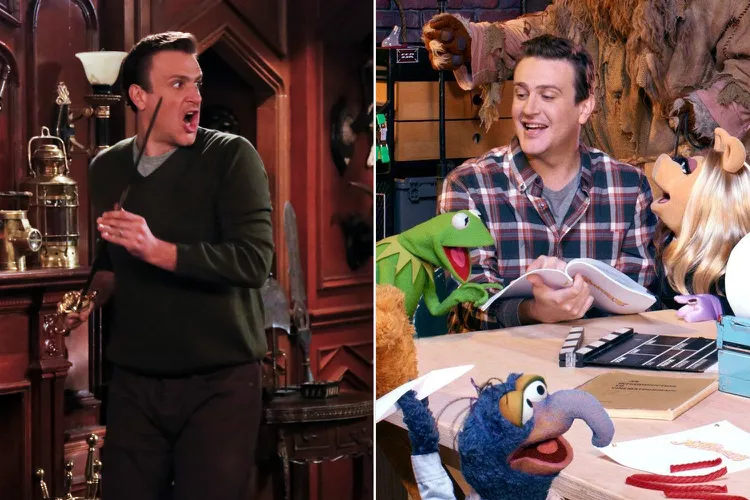
He looked too big for the sitcom frame—shoulders hunched, voice full of tremble and treacle, always slightly askew from the punchline. Jason Segel didn’t perform like someone who wanted to be famous. He performed like someone who wanted to be seen, and that’s a very different thing. Which is maybe why, after the runaway success of How I Met Your Mother, Segel didn’t cash in. He receded. Or more accurately, he let himself dissolve into roles with darker, quieter weight.
“I didn’t know how to say no to anything,” he admits now, a confession that smells more like fatigue than regret. There’s an uneasiness to his return to the spotlight, like someone poking at the perimeter of their old life, unsure if it still fits. What happens to a performer who becomes the punchline, when he was always writing tragedies underneath?
The Shadow of a Sitcom Star
Segel was never just the affable sidekick. Even at his most sitcom-sanitized, there was melancholy behind the grin. Watch him closely in the early seasons of HIMYM—there’s a man unspooling, one awkward giggle at a time. While others were building empires from typecasting, Segel seemed increasingly haunted by his own audience. And when he finally broke free, it wasn’t with a bang. It was with films like The End of the Tour and Our Friend—stories soaked in grief, isolation, the tension of trying to matter in a room that’s stopped listening.
His was never a meltdown or a reinvention. It was something subtler. A deliberate drift toward the kind of roles that don’t get quoted on Twitter. That don’t make red carpet montages. And maybe that was the point. Segel didn’t want to be remembered for being likable. He wanted to see if we’d remember him at all once the laugh track faded.
The Weight of Being Earnest
There’s a moment in his career where the lines blur—between Jason Segel the writer, the actor, the human unraveling on screen. He writes heartbreak the way some men write love songs: obsessively, compulsively, with the kind of honesty that’s too sharp to market. When he wrote Forgetting Sarah Marshall, he exposed not just his heart but his humiliation. And when he revived The Muppets, it wasn’t nostalgia—it was a coded letter to his own fading innocence.
He’s not chasing relevance now. He’s wandering through it. His latest interviews hint at someone who still doesn’t quite know where he belongs, and perhaps never did. But that lostness—that tension between commercial success and emotional truth—has become his signature. Or maybe it always was.
So we’re left with a curious kind of celebrity. One who slipped out the back door of stardom not because he failed—but because he wasn’t convinced it was worth staying for.








5 Things About the New HBO ‘Harry Potter’ Star – Hollywood Life
Image Credit: Aidan Monaghan/HBO Dominic McLaughlin may be a newcomer to Hollywood,...
 Kirsten Collins1 Mins read

Why Is Sora Shutting Down? Inside the Closure of the OpenAI App – Hollywood Life
Image Credit: NurPhoto via Getty Images Sora, the first standalone OpenAI app...
Kirsten Collins2 Mins read
Is Savannah Guthrie Coming Back to the ‘Today’ Show? What We Know – Hollywood Life
Image Credit: Getty Images Savannah Guthrie has stepped away from the Today show...
Kirsten Collins2 Mins read
How Did Chuck Norris Die? Updates on the Late Actor’s Cause of Death – Hollywood Life
View gallery Image Credit: Getty Images Chuck Norris, the actor and martial...
Kirsten Collins2 Mins read





Leave a comment