

Ben McLemore’s Fall: Talent, Turmoil, and the Price of Silence
Once a rising NBA star, Ben McLemore’s recent conviction and prison sentence expose a dark, complex narrative that challenges the way we reconcile talent with accountability—and leaves us questioning the system that cultivates such falls.
 Kirsten CollinsJuly 9, 20251 Mins read59

The silence before the verdict was deafening. A name once cheered in packed arenas—Ben McLemore—now echoes in courtrooms and headlines far removed from basketball glory. The trajectory of a promising athlete, derailed not by injury but by actions that ripple beyond the hardwood, raises uncomfortable questions we rarely confront head-on.
When does the myth of the gifted player give way to the stark reality of accountability? McLemore’s conviction isn’t just a personal tragedy; it’s a fissure in the fragile narrative sports culture often clings to—the idea that talent can insulate, excuse, or even erase misdeeds. The court’s decision challenges that illusion, but what does it say about the broader environment that nurtured both the star and the scandal?
The Court of Public Opinion
In the aftermath, voices clash—between those who demand justice for victims and others who mourn a fallen star. It’s tempting to reduce this to a binary, but the truth lies tangled in between. As one observer noted, “It’s a reminder that celebrity doesn’t grant immunity. It highlights how much work remains to ensure accountability is universal.”
McLemore’s journey forces a reckoning: How does a culture that elevates athletes also enable their darker impulses? Is the legal system the only stage where their true character is tested? Or is this just the beginning of a deeper conversation about responsibility—on and off the court?
More Than a Player: The Weight of a Legacy
The impact stretches beyond sentencing. For McLemore, this is a defining moment that will shadow every attempt at redemption or reinvention. For the NBA and its fans, it is a prompt to rethink how the game’s brightest stars are held to account—and how the industry grapples with its own complicity.
As the crowd’s roar fades into courtroom echoes, we’re left pondering the fragile boundary between admiration and accountability. What does McLemore’s story tell us about the price of silence, and how much longer can the sports world afford to look away?





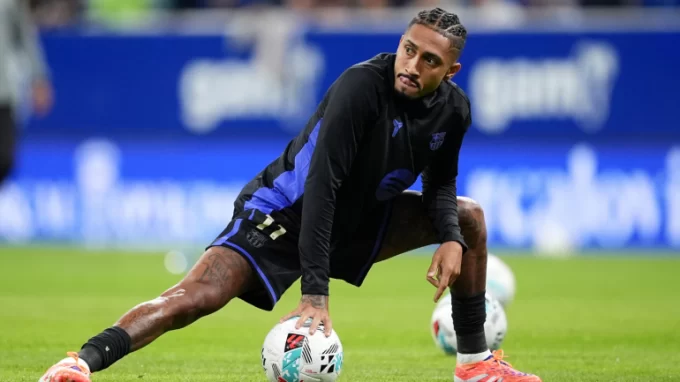
Barcelona’s Fragile Pursuit: When Injuries Threaten More Than Just a Season
A silence spreads over Camp Nou that no roar can drown out—two...
 Chris Marks2 Mins read
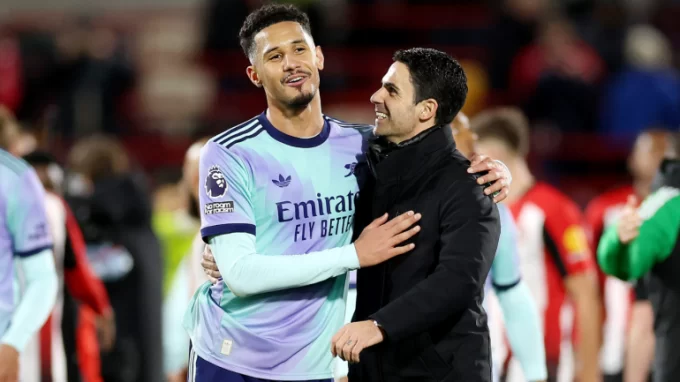
William Saliba: Arsenal’s Silent Architect or Its Greatest Gamble?
The air inside the Emirates shifts with unspoken tension—William Saliba, once a...
 Joseph Bennett2 Mins read
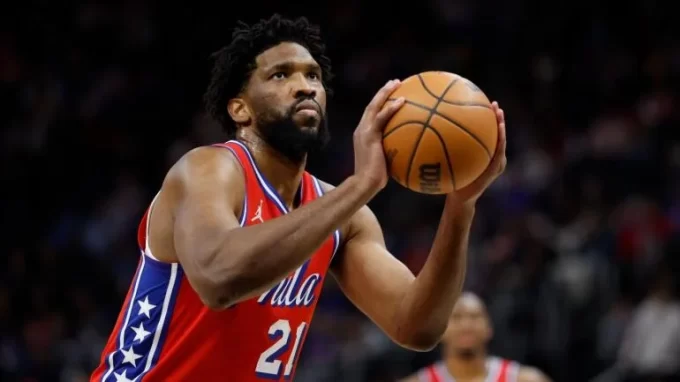
Joel Embiid’s Quiet Confidence: Is the 76ers’ Giant Ready to Rewrite His Story?
Joel Embiid is rarely one to make noise without purpose, and now,...
Kirsten Collins1 Mins read
Juventus, Atalanta, and Arsenal’s Quiet Revolution: What’s Really Shaping This Week in Football?
The roar of Serie A stadiums masks a subtle shift, one that...
Kirsten Collins2 Mins read





Leave a comment