

“Legends, Lipstick, and a Red Carpet Rewrite: The 2025 Kennedy Center Honors Under Trump’s Gaze”
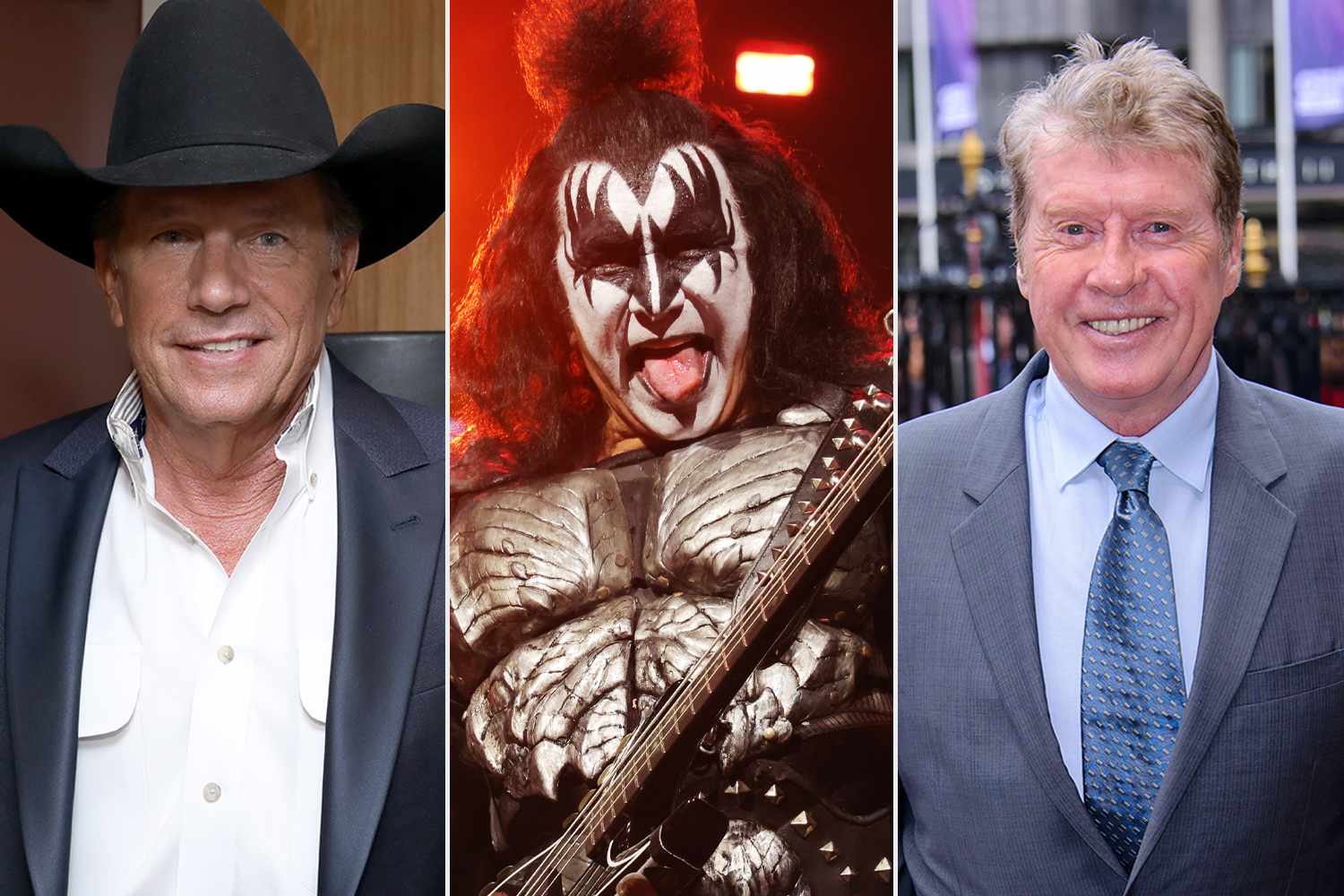
Trump’s first-class Kennedy Center honorees—George Strait, Sylvester Stallone, Gloria Gaynor, KISS, and Michael Crawford—read like a glossy late-night marathon line-up. Yet beneath this veneer lies a provocative shift—a reimagining of American “greatness” staged with luxury, politics, and power.
 Chris MarksAugust 13, 20251 Mins read15
Anna Webber/Getty; Kevin Mazur/Getty; Joe Maher/WireImage
A tableau unfolds beneath the Washington lights: George Strait, the quiet king of country; Sylvester Stallone, the rocky hero reborn in bronze; Gloria Gaynor, her anthem still surviving; KISS, cloaked in armor and fire; and Michael Crawford, the Phantom behind the mask. These are not merely honorees—they’re a curated constellation, selected not by tradition, but by design.
President Trump, newly installed as chairman, didn’t wait for the usual fanfare. He ripped down the old board and assembled loyalists. And yes, he will host the ceremony himself—an audacious move that merges honors with headline, prestige with persona. The result is a gala that feels less like a celebration of art and more like a statement of control.
Icons Framed Through a Political Lens
Strait’s soft-spoken legacy, Stallone’s muscular mythology, Gaynor’s disco defiance, KISS’s theatrical rebellion, Crawford’s operatic drama—all are symbols of American cultural extremes. Trump called them “outstanding people,” but what he’s really saying is: “This is my idea of Americana.” Gone are the nuanced selections of the past; in comes a roster designed to feel familiar, impressively safe, and unapologetically mainstream.
Gaynor’s inclusion raises a lingering dissonance. Her anthem “I Will Survive” has been a lifeline for LGBTQ+ communities—even as Trump’s administration distances itself—but her recognition here feels less about solidarity and more about spectacle.
Prestige or Pageantry?
There are whispers that the medallion design might change. Rumors swirl that the dinner could move to the White House. Production partners have walked—Hamilton withdrew, Shonda Rhimes quit, even the producers of the Honors have resigned in protest. The institution is being refashioned in real time, with all the sheen of a reality show audition.
What happens to an honor when it becomes the mouthpiece of its host—when prestige is reframed as political theater? The Kennedy Center, once a bipartisan stage, now feels less balanced, more branded. The question isn’t just who is honored—but whether the honor itself still honors art.
When the lights dim in December, and the stage goes quiet, we’ll be left with two lasting images: five icons illuminated by applause, and a cultural institution transformed by ambition. And we will still wonder—which one shapes the story more—the artist—or the architect behind it?






When Mercy Meets Tragedy: The Widow Who Forgave Her Husband’s Killer
The air thickens when forgiveness enters a room meant for grief. Imagine...
Chris Marks1 Mins read

When Fear Became a Lifeline: Pete Davidson’s Reckoning in Rehab
There’s a silence that follows a mother’s voice when she confesses her...
 Joseph Bennett1 Mins read
Pete Davidson’s mom told him in rehab worst fear was learning he died
Pete Davidson is opening up about the heartbreaking moment he had with...
Chris Marks2 Mins read

Katie Couric’s Unexpected Spin on Sydney Sweeney’s American Eagle Ad: What’s Really Being Said?
Katie Couric stepping into a scene dominated by Gen Z glamour feels...
 Krista Freeland2 Mins read




Leave a comment