

Blood, Beauty, and the Click: Why Netflix Crime Thrillers Keep Us Seduced and Suspicious
Netflix’s crime catalog isn’t just escapism—it’s curated paranoia. Behind every noir-tinted lens is a question: what makes us keep watching evil unfold in perfect 4K?
 Krista FreelandAugust 7, 20252 Mins read15
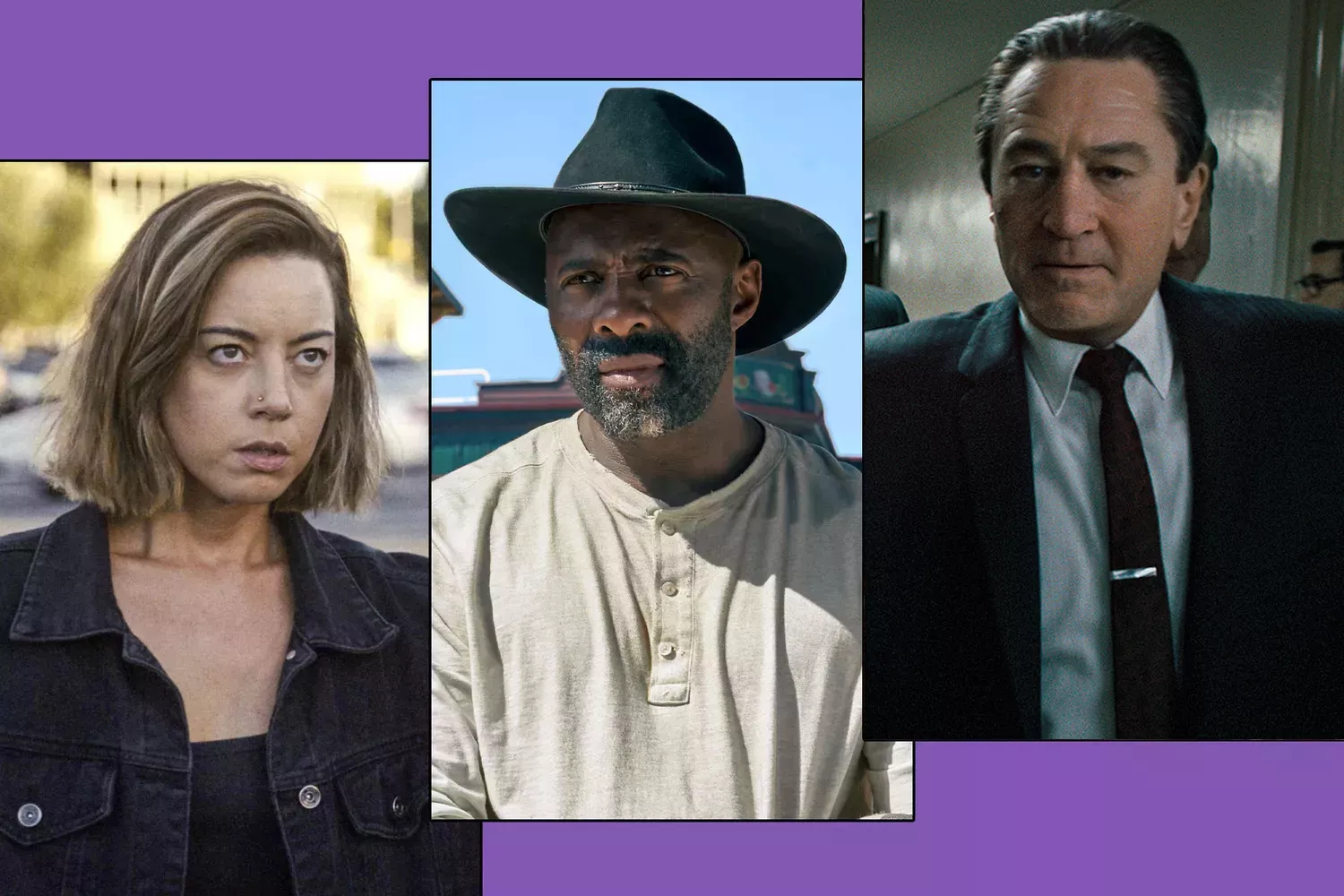
The screen flickers. A woman disappears. A detective chain-smokes in silence. And somewhere between the opening credits and a piano-pierced score, we give Netflix permission to invade our darkest appetites.
We don’t just watch crime stories—we rewatch them. We dissect the motives, quote the dialogue, judge the wardrobe. In the cathedral of modern attention, the crime genre has become Netflix’s high mass, and we, the reverent congregation, return nightly to bow before the altar of blood, betrayal, and stylized brutality. But why?
The answer might not be on screen—but in us.
A Crime Scene So Clean You Could Lick It
Netflix has made crime sexy. Not just intriguing or suspenseful, but aesthetic. Whether it’s Zodiac’s glinting paranoia or The Pale Blue Eye’s literary melancholy, every frame is a still-life of dread. The camera lingers not on gore, but on the gloved hand, the steam off a dead man’s coffee, the eerie calm before the investigator speaks. What once lived in the gutter now glows in Dolby Vision.
Crime, as presented by Netflix, is less about realism and more about ritual. The slow pan. The chilling monologue. The killer’s curated playlist. It’s all precision-designed to lull us into a dangerous comfort—where evil doesn’t feel threatening, but curated. “It’s crime, but make it couture,” one might say. We binge, we analyze, we fall asleep to it. Imagine explaining that to your ancestors.
Netflix has understood what pulp writers did a century ago: the darker the story, the more exquisite the language must be. And in our case, the more exquisite the visuals, the more we forgive the violence beneath.
We’re Not Just Watching the Crime—We’re In On It
But there’s something even more seductive than cinematography at work. It’s the unspoken complicity. Streaming platforms don’t just show you crime—they suggest that you understand it. That the killer might be misunderstood. That the detective might be corrupt. That justice is relative, and empathy has a body count.
Consider The Stranger, Nightcrawler, Mindhunter—stories that whisper rather than shout. They dare us to identify, not just observe. The viewer is no longer a passive witness but an emotional accomplice, handcuffed to the character they secretly want to see win.
And maybe that’s why crime films now feel like moodboards for our own quiet darkness. Netflix isn’t making us violent—but it is making us voyeurs. It turns morality into a performance, draped in trench coats and backlit silhouettes.
As one director candidly told a roundtable, “Crime works because it’s the only genre where silence can scream.”
So here we are, back on the couch, watching another stranger’s life unravel, shot in atmospheric slow motion. The blood is tastefully implied. The moral? Ambiguous. The ending? Probably leaves room for a sequel.
But deep down, we don’t want closure. We want another hit of that glamorous dread.
And maybe—just maybe—we’re starting to wonder who’s really directing whom.





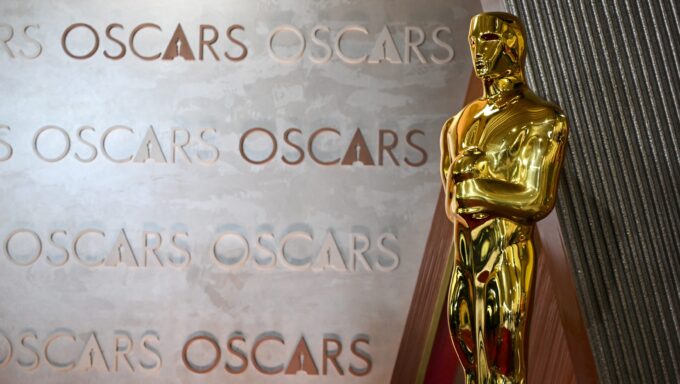
When Are the Oscars 2026? Date of the Academy Awards – Hollywood Life
Image Credit: AFP via Getty Images The Oscars are officially on the...
 Kirsten Collins1 Mins read
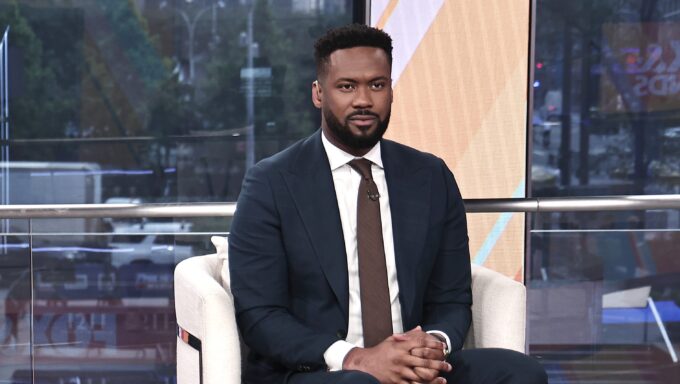
Where Is Lawrence Jones on ‘Fox & Friends’? Health Update Amid Hiatus – Hollywood Life
Image Credit: Getty Images Fans of Lawrence Jones, a Fox & Friends...
Kirsten Collins1 Mins read

Who Is Lexi Minetree? 5 Things to Know About the ‘Elle’ Series Actress – Hollywood Life
View gallery Image Credit: Getty Images for Hello Sunshine Lexi Minetree plays...
Kirsten Collins2 Mins read
Release Date, Cast & Updates on ‘Elle’ – Hollywood Life
View gallery Image Credit: Courtesy of Prime Video What, like producing a...
Kirsten Collins2 Mins read




Leave a comment