

When Emo Meets Arena Rock: My Chemical Romance’s Bon Jovi Surprise in New Jersey
What happens when a band synonymous with emo revival pays homage to an ’80s rock titan on its hometown turf? My Chemical Romance’s Bon Jovi cover in New Jersey is more than a tribute — it’s a collision of identities that challenges nostalgia and reinvention alike.
 Kirsten CollinsAugust 11, 20252 Mins read78

The roar of a packed New Jersey crowd isn’t just a sound — it’s a tribal declaration. When My Chemical Romance stepped onto that familiar stage, they carried not just the weight of their own legacy but the echoes of a different era entirely. Then the unexpected: the first notes of a Bon Jovi anthem. It was a sonic pivot that felt less like a gimmick and more like a reckoning.
This was a band long painted in black eyeliner and theatrical grief embracing the anthemic, sun-soaked bravado of a rock institution. The New Jersey-born Bon Jovi is a brand of Americana built on big hair and bigger choruses, a cultural monolith far removed from the underground angst MCR once embodied. Yet here they were, intertwined — a conversation across decades, genres, and generations.
Echoes of Home, Fractures of Genre
This wasn’t mere nostalgia. My Chemical Romance, once the quintessential emo vanguard, has always flirted with reinvention — and sometimes contradiction. Covering Bon Jovi is less a reverent nod and more a challenge to the rigid boundaries of rock identity. It’s as if MCR is asking: can emo and arena rock share the same pulse, or are these worlds forever separate?
Fans cheered, but questions lingered. Does this act of homage signal a quiet acceptance of the mainstream, or a clever subversion of it? One attendee captured the mood: “It felt like the past and present wrestling onstage, but neither winning — just shaking hands.” The tension between rebellion and homage is palpable, and deeply New Jersey.
When Legacy Isn’t a Cage
This moment also interrogates the idea of legacy itself. Bon Jovi’s brand of optimism and mass appeal can feel antithetical to the darker, more insular narratives of emo. But My Chemical Romance’s choice suggests legacy isn’t a cage but a dialogue. By stepping into Bon Jovi’s shoes, they’re reimagining their own narrative — one that embraces complexity over purity.
It’s tempting to write this off as a novelty, but it speaks to a broader cultural shift: a generation coming to terms with the music that shaped them, even when it doesn’t fit neatly into their identity boxes. Perhaps the real power lies in this uneasy embrace, where rock’s many faces coexist in the same anthem.
The stage lights dimmed, the last chords of “Livin’ on a Prayer” fading into a charged silence. The crowd dispersed, leaving behind a moment that felt less like an ending and more like a question hanging in the air. What happens when the ghosts of your hometown aren’t just memories but collaborators? When rebellion meets reverence, who gets to write the next verse? In New Jersey, the music never truly dies — it just changes shape.






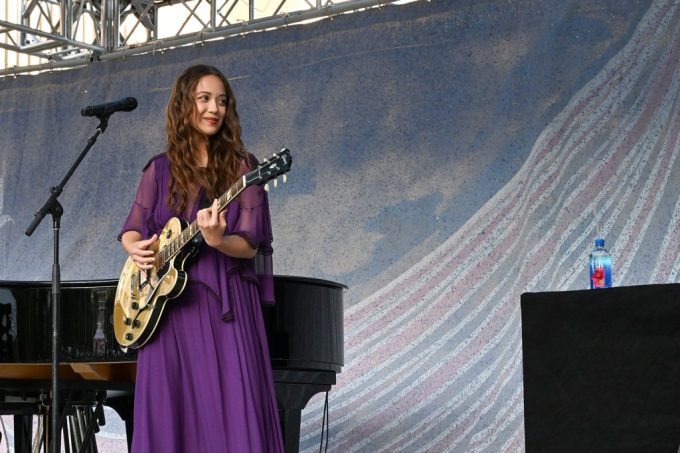
Laufey’s Opening Night Show at LA’s Crypto.com Arena: Best Moments
Laufey opened a two-night stand at Crypto.com Arena in downtown Los Angeles...
 Chris Marks6 Mins read

Julie Adam Is Billboard Canada Women in Music’s 2025 Exec of the Year
Julie Adam is having a milestone year — and it’s getting even...
Chris Marks4 Mins read
Spinal Tap Tribute Album with Foo Fighters,Tool for Teen Cancer America
Spinal Tap may be a fake band, but its music is very...
Chris Marks2 Mins read
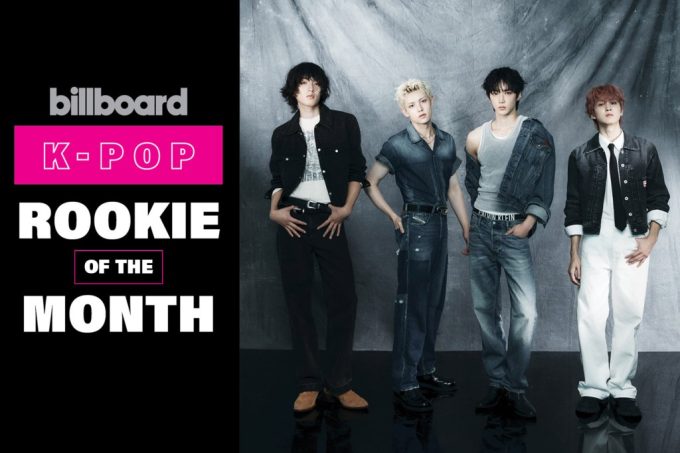
AxMxP Is K-Pop Rookie of the Month for September: Exclusive Photos
Ha Yoo Joon Image Credit: Chin Soyeon You debuted on Sept. 10....
Chris Marks2 Mins read





Leave a comment