

Netflix’s 24 Best: What We’re Still Not Talking About
Netflix’s latest “best movies” list isn’t about blockbusters—it’s a curated trove of hidden narratives, emotional jolts, and surprising genres. Are we watching—or overlooking—the true gems?
 Kirsten CollinsJuly 15, 20251 Mins read42

A voice breaks over the opening frame—not a line of dialogue, but a ripple of tension that says: you’re not in for comfort tonight. Netflix’s “24 best movies” selection isn’t a highlight reel—it’s a challenge: how deep are we willing to go?
These films aren’t chosen for box office muscle. They are whispers and stings: Parasite‘s elegant class warfare, Past Lives‘ haunting regret, Mad Max: Fury Road’s blistering rebellion now streaming for its 10th anniversary, and The Wild Robot weaving existential loneliness through animation. What do they demand from us?
Where Quiet Hits Hard
Past Lives feels like a code we’re still trying to crack—each glance unspoken, every moment pregnant with what might have been. Celine Song’s debut doesn’t offer closure; it offers resonance. Then there’s The Kindergarten Teacher, where Maggie Gyllenhaal snatches your empathy—and your unease—exploring obsession in performance and teaching.
Even niche picks like Tick, Tick… BOOM! aren’t about nostalgia—they’re about urgency, the crack in the creative soul. These films press on nerves that usually go unnoticed. They don’t comfort us—they confess to us.
Spectacle with Subtext
Netflix also lets blockbusters breathe again. Mad Max: Fury Road roars through modern streaming with the same heat it brought to theaters—its fiery chase now reframed by a decade of cultural revolution. And Dune: Part Two drips grandeur and complexity across Arrakis, a spectacle that asks more questions about faith and power than most dramas offer.
The inclusion of genre experiments—anime like Pinocchio, sci-fi like Godzilla Minus One, and documentaries like The Night Comes For Us—signals a darker edge: Netflix isn’t just chasing clicks; it’s curating for the curious.
Each film is a portal. Choose Parasite, and you dive into class tension and moral ambiguity. Click on 1917 and you’re sprinting through trenches. Watch The Town and you’re complicit in crime.
Netflix’s “best” isn’t the easy watch. It’s the question behind the title. That moment when the credits roll—and what remains isn’t resolution, but ambiguity, reflection, perhaps something uncomfortable.
Will you press play? Or scroll on—and miss the ones designed to leave a mark?







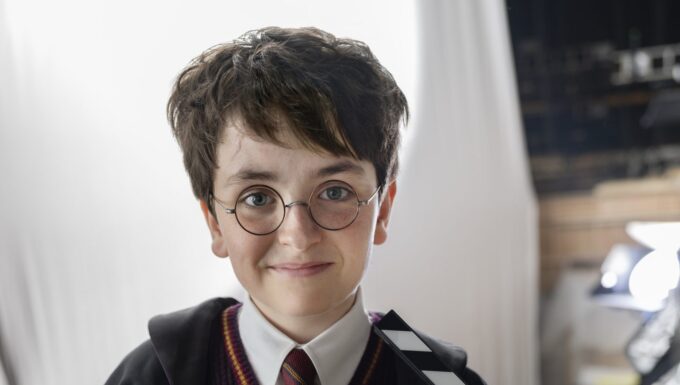
5 Things About the New HBO ‘Harry Potter’ Star – Hollywood Life
Image Credit: Aidan Monaghan/HBO Dominic McLaughlin may be a newcomer to Hollywood,...
Kirsten Collins1 Mins read

Why Is Sora Shutting Down? Inside the Closure of the OpenAI App – Hollywood Life
Image Credit: NurPhoto via Getty Images Sora, the first standalone OpenAI app...
Kirsten Collins2 Mins read
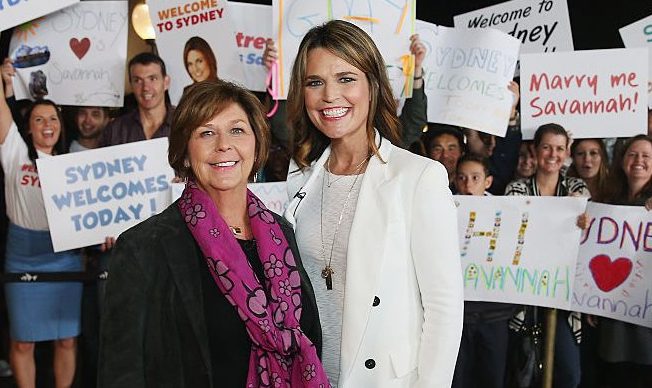
Is Savannah Guthrie Coming Back to the ‘Today’ Show? What We Know – Hollywood Life
Image Credit: Getty Images Savannah Guthrie has stepped away from the Today show...
Kirsten Collins2 Mins read
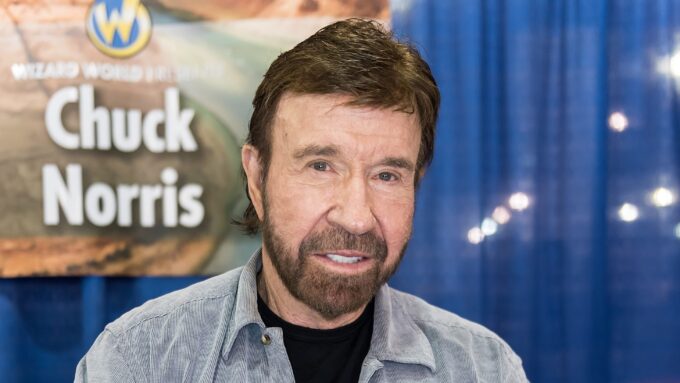
How Did Chuck Norris Die? Updates on the Late Actor’s Cause of Death – Hollywood Life
View gallery Image Credit: Getty Images Chuck Norris, the actor and martial...
Kirsten Collins2 Mins read





Leave a comment