

From Tracks to Transformation: Marcus Jordan’s High-Speed Collision with Consequence
Marcus Jordan's Lamborghini stalled on railroad tracks in Florida, but it's his personal journey since then that's truly stalled—and now, he's racing toward redemption.
 Krista FreelandMay 20, 20251 Mins read28
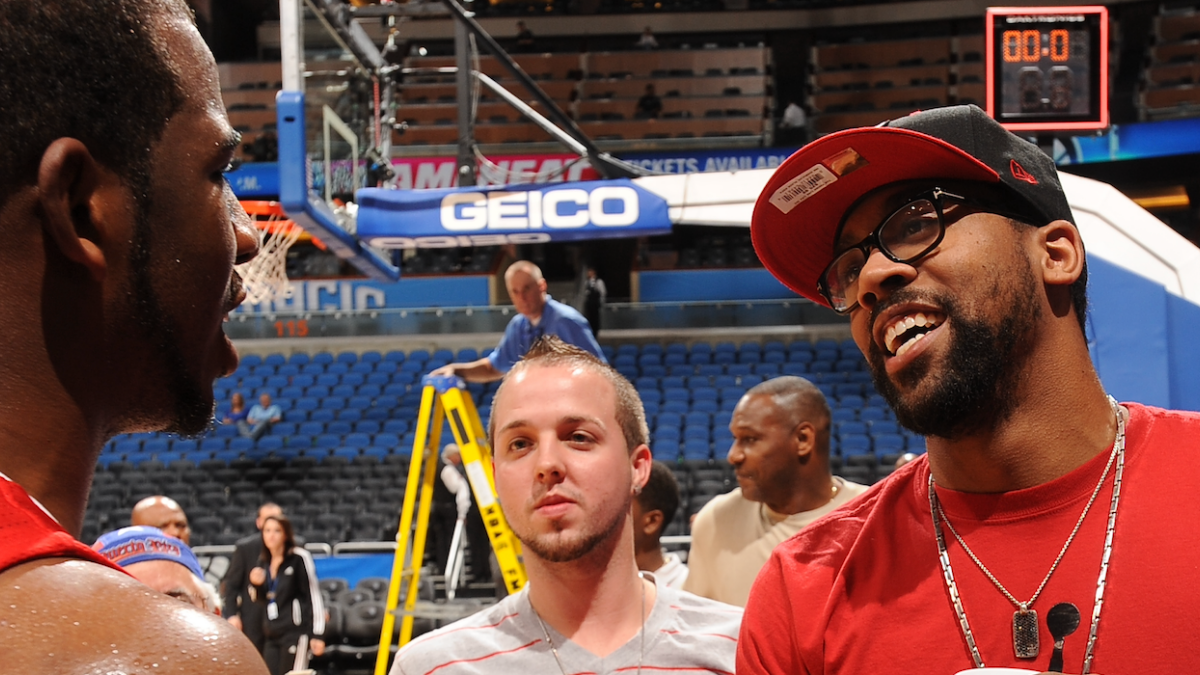
At 1:14 a.m. on February 4, 2025, Marcus Jordan’s Lamborghini Urus sat immobilized on railroad tracks in Maitland, Florida—a scene that could have been scripted for a tabloid headline. But the story that unfolded was far from fiction. Jordan, son of NBA legend Michael Jordan, was arrested for driving under the influence, possession of ketamine, and resisting arrest. The arrest video captured him invoking his father’s name in a bid to avoid consequences, yet the officers remained unmoved. “I’m Michael Jordan’s son,” he pleaded, but the law doesn’t bend for legacy. The incident was a stark reminder that fame doesn’t grant immunity from accountability.
In the aftermath, Jordan faced felony and misdemeanor charges, including ketamine possession, DUI with property damage, and resisting arrest. His legal team acknowledged his struggles with substance abuse and expressed his commitment to treatment. Jordan applied to enter a Pre-Trial Substance Abuse Education and Treatment Intervention Program, aiming to address his issues and reduce the likelihood of future offenses. This step signaled a desire for personal growth and a break from past patterns.
Fast forward to May 2025, and Jordan shared a significant milestone: 40 days of sobriety. He posted on Instagram, “40 days sober and counting…” alongside a photo from a workout room, symbolizing his dedication to adopting a healthier lifestyle. This public acknowledgment of his progress was a testament to his commitment to change.
Yet, the question lingers: Can Marcus Jordan truly outrun the shadows of his past? The road ahead is uncertain, but his recent actions suggest a man striving to redefine his narrative. In a world where celebrity missteps are often met with fleeting attention, Jordan’s journey toward redemption could be a compelling story of transformation. Whether he can sustain this momentum remains to be seen, but for now, his story is one of potential and promise.






Barcelona’s Fragile Pursuit: When Injuries Threaten More Than Just a Season
A silence spreads over Camp Nou that no roar can drown out—two...
 Chris Marks2 Mins read
William Saliba: Arsenal’s Silent Architect or Its Greatest Gamble?
The air inside the Emirates shifts with unspoken tension—William Saliba, once a...
 Joseph Bennett2 Mins read
Joel Embiid’s Quiet Confidence: Is the 76ers’ Giant Ready to Rewrite His Story?
Joel Embiid is rarely one to make noise without purpose, and now,...
 Kirsten Collins1 Mins read
Juventus, Atalanta, and Arsenal’s Quiet Revolution: What’s Really Shaping This Week in Football?
The roar of Serie A stadiums masks a subtle shift, one that...
Kirsten Collins2 Mins read





Leave a comment