

The Last Cut: Michael Madsen’s Final Fade to Black
Michael Madsen—resolute antihero of Reservoir Dogs and Kill Bill—has died at 67, leaving behind a chiseled legacy of grit, poetry, and unanswered questions.
 Joseph BennettJuly 3, 20251 Mins read23
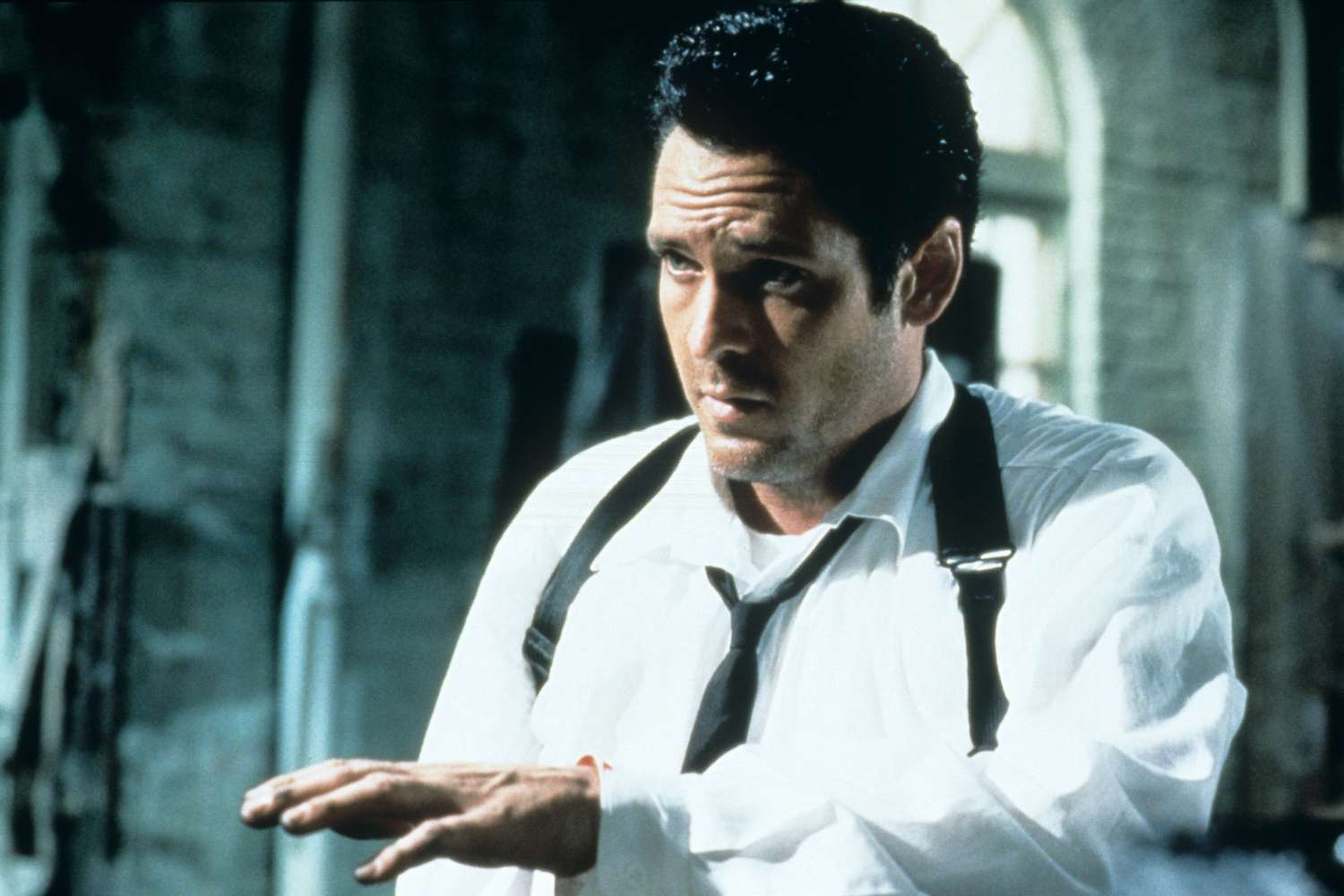
Miramax/courtesy Everett
A blade’s glint caught under Malibu sunlight—Michael Madsen opened his eyes one last time in that sun-flooded living room, and at 8:25 a.m. on July 3, the tough-guy façade slipped into silence.
From the moment he carved off that cop’s ear in Reservoir Dogs, he was never just an actor—he was a cipher, a hushed whisper of elegant brutality. In Kill Bill he tip‑toed through tragedy as Sidewinder, carrying a charisma that felt torn from celluloid’s darkest corners. Then, in recent years, the verses began: poetry collections, indie films, and a memoir-manifesto titled Tears for My Father. A renaissance interrupted.
––– ‘The Antihero’s Embers’ ––––
He once said he believed casting him in roles darker than his soul was Hollywood’s mistake—yet he leaned in, becoming cinema’s favorite cold-blooded confidant. “The type of character I think I play really well… a little rough around the edges,” he confessed—an admission that felt more like prophecy. And still, off-screen turmoil shadowed his craft—his son’s suicide, legal troubles, a divorce—yet he pressed on, scripting pain into art. His last indie ventures Resurrection Road and Concessions pulsed with that same fierce honesty.
––– ‘Final Frame, Open Question’ ––––
Found unresponsive at home, his heart betrayed him despite its roar through 350 credits; there was no foul play—just a man undone by time. His sister Virginia’s “I love you” echoed across grief-laden feeds. What remains isn’t a neat obituary but a cavernous absence: a space for myth.
And now: the wound he left is still open. With Tears for My Father waiting on the bedside, will we hear his voice again? Or is this the kind of silence that gives art its edge—sharp, unresolved, electric?
He lived on the edge of memory and myth. He dies there too. And as the credits roll, we’re left asking—what cut did we miss?





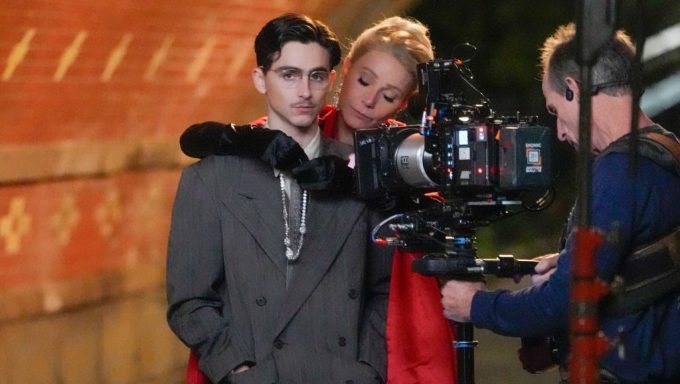
How to Watch & More About the Timothée Chalamet Movie – Hollywood Life
Image Credit: GC Images Gwyneth Paltrow and Timothée Chalamet star in the sports...
 Kirsten Collins2 Mins read

Meet the Actors Behind the Netflix Series – Hollywood Life
Image Credit: Courtesy of Netflix The Straw Hat Pirates are setting sail...
Kirsten Collins2 Mins read

Release Date, Plot, Cast & More Updates – Hollywood Life
Image Credit: The Hollywood Reporter via Getty Disney is officially bringing Tangled...
Kirsten Collins2 Mins read

Who Will Win 2026 Best Actor? – Hollywood Life
View gallery Image Credit: Getty Images Timothée Chalamet and Michael B. Jordan...
Kirsten Collins3 Mins read




Leave a comment