

What the Bullpen Doesn’t Say
Behind every trade whisper in July, there’s a quiet reckoning happening across dugouts and clubhouses—what if the story isn’t who gets traded, but who’s being protected?
 Joseph BennettJuly 29, 20252 Mins read45

The deals begin long before the deadline. In hotel lobbies. On burner phones. In whispered calls that never make it to SportsCenter. The public sees the transaction ticker, but the truth is more elusive: MLB’s midseason trades are less about need than they are about narrative. And this July, the narrative is sharpening into something strange—teams aren’t just buying talent. They’re buying time.
The Houston Astros want a starting pitcher. The Blue Jays are bulking up their bullpen like it’s a last supper. The Mets, of course, are flirting with everyone. But what’s happening beneath the spreadsheets and sabermetrics is subtler, almost psychological. It’s not just about stacking rotations—it’s about rewriting trust. A team doesn’t trade just to win. A team trades to forget.
Where Arms Are Bought and Secrets Are Sold
The Blue Jays’ recent maneuvering isn’t about patching leaks. It’s about containing pressure. After weeks of late-game collapses, their bullpen became less a strategy than a spectacle. By targeting elite relievers, they’re not just fixing mechanics—they’re covering a confidence deficit. A front-office exec, off-record, put it bluntly: “You trade for a pitcher, sure. But what you’re really buying is belief—for fans, for the clubhouse, for your own GM.”
And then there’s Houston, with its pitch-perfect orchestration of smoke and mirrors. The Astros’ shopping list doesn’t scream desperation—but it hums with quiet dread. A starter, yes. But not just any starter. A name that can steady the optics and the innings. Because for a team that’s made postseason presence feel inevitable, anything less than dominance is interpreted as decay.
The All-Star Mirage
The Mets, however, are the most fascinating riddle. They have the money, the assets, and arguably the anxiety of a franchise that keeps falling just short of becoming literature. Their interest in an All-Star talent is less about plugging a hole and more about distracting from the one that can’t be filled: identity. When you swing at legacy but miss culture, every trade becomes a performance.
In this theater of numbers and whispers, the question isn’t who will be moved? It’s who is being insulated? Behind every acquisition, there’s someone the team can’t afford to lose—publicly, emotionally, symbolically. Those are the players the press releases don’t name, but the ones every trade protects like fine glass.
And so we wait. For names, for confirmations, for headlines to break. But maybe the real story won’t be in who arrives. Maybe the quiet, brilliant twist of this deadline is who doesn’t leave—and what that silence tells us about the future we’re pretending to build.






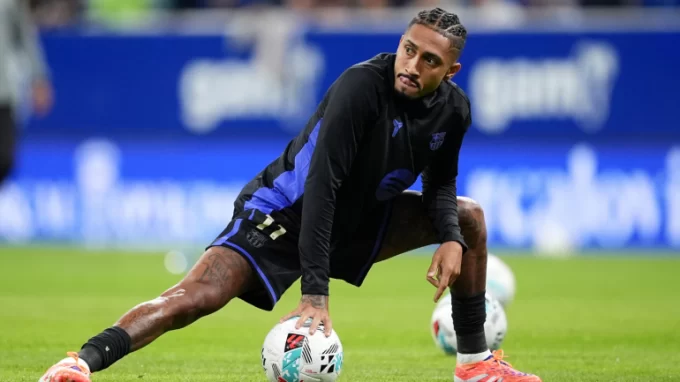
Barcelona’s Fragile Pursuit: When Injuries Threaten More Than Just a Season
A silence spreads over Camp Nou that no roar can drown out—two...
 Chris Marks2 Mins read
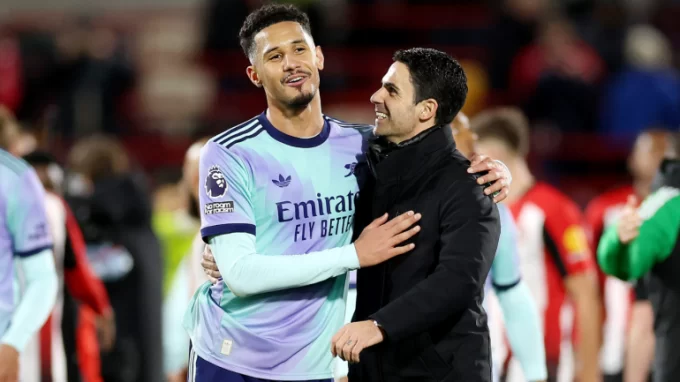
William Saliba: Arsenal’s Silent Architect or Its Greatest Gamble?
The air inside the Emirates shifts with unspoken tension—William Saliba, once a...
Joseph Bennett2 Mins read
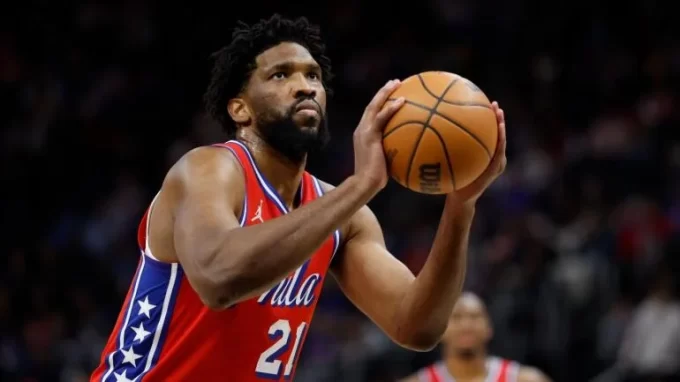
Joel Embiid’s Quiet Confidence: Is the 76ers’ Giant Ready to Rewrite His Story?
Joel Embiid is rarely one to make noise without purpose, and now,...
 Kirsten Collins1 Mins read
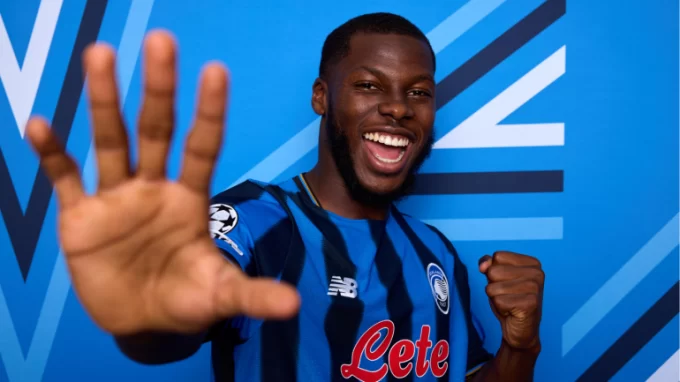
Juventus, Atalanta, and Arsenal’s Quiet Revolution: What’s Really Shaping This Week in Football?
The roar of Serie A stadiums masks a subtle shift, one that...
Kirsten Collins2 Mins read





Leave a comment