

The Debt Is Never Just Money
NBA forward Marcus Morris Sr. has been arrested in Florida for alleged casino fraud—but this isn’t just a legal matter. It’s a cultural parable in disguise, one that asks what today’s athletes truly owe, and to whom.
 Kirsten CollinsJuly 28, 20252 Mins read22

It’s never about the chips. Not really. Not when a millionaire athlete walks into a casino and walks out in handcuffs. Not when the alleged debt is a six-figure whisper, barely enough to rattle the furniture in a professional ballplayer’s mansion. Marcus Morris Sr.’s recent arrest in Florida on a fraud charge tied to an unpaid Las Vegas casino debt isn’t about the money—it’s about the performance of power, the illusion of control, and what happens when both slip.
Morris has long been known not just for his game, but for his grit—his unapologetic edge, his twin-flavored swagger. A player who carved space in the NBA not with polish but presence. But presence fades when the spotlight turns forensic. In a sport obsessed with legacy and image, the courtroom is a different kind of arena. And in that arena, toughness doesn’t translate.
When the Bet Isn’t What It Seems
The details, though still surfacing, are odd in their familiarity. A Las Vegas casino extends a $80,000 line of credit to Morris. He allegedly doesn’t pay it. A warrant is issued. Months later, he’s arrested in Florida, booked, and released on bond. The story sounds like a rerun—but that’s exactly what makes it unsettling.
Why does a player with millions in career earnings gamble on credit? Why risk legal action over a sum that, on paper, he can cover? “Sometimes it’s not about the amount—it’s about the principle,” said a former NBA insider who asked not to be named. “When you’ve been treated like a commodity your whole life, sometimes you push back in ways that don’t make sense until they do.”
Morris, like many athletes of his generation, straddles an awkward fault line: the era of players-as-brands and the residue of old-school street loyalty. In a league that now sells image as currency, what happens when a player’s image fractures—when the myth of invincibility meets the mundane reality of collections and court dates?
The Edge Is a Cost, Not a Style
The Morris twins, famously inseparable, once shared more than a face—they shared contracts, minutes, an ethos. But over time, Marcus carved his own persona: the enforcer, the bruiser with just enough finesse to make you forget the bruises. And that persona made him marketable—until it made him vulnerable.
The culture loves a redemption arc, but it also loves a downfall. Especially when the numbers don’t add up. If Morris had simply paid the debt, we wouldn’t be talking. But if he paid the debt, maybe he wouldn’t feel like himself. Maybe the unpaid tab is a final act of defiance against a system that drafts, trades, signs, and discards athletes like poker chips. In that light, the debt becomes symbolic. It becomes something no check can fix.
Somewhere between the tables of Vegas and the booking room in Florida, Marcus Morris stopped being a player and became a question. Not of guilt, not of innocence—but of balance. Between wealth and worth. Between power and punishment. Between what’s owed and what’s owned.
And like most bets placed under bright lights, the real price won’t be counted in dollars.







Barcelona’s Fragile Pursuit: When Injuries Threaten More Than Just a Season
A silence spreads over Camp Nou that no roar can drown out—two...
 Chris Marks2 Mins read

William Saliba: Arsenal’s Silent Architect or Its Greatest Gamble?
The air inside the Emirates shifts with unspoken tension—William Saliba, once a...
 Joseph Bennett2 Mins read
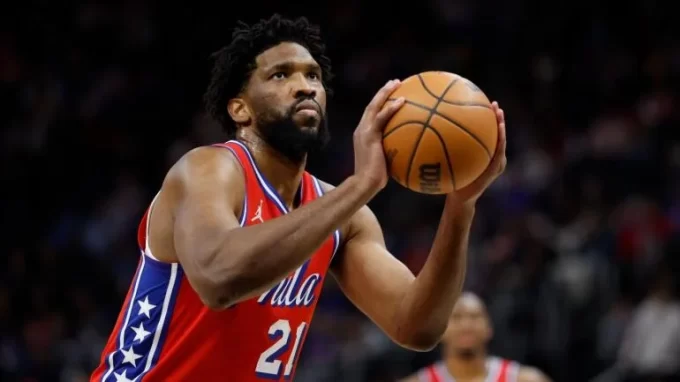
Joel Embiid’s Quiet Confidence: Is the 76ers’ Giant Ready to Rewrite His Story?
Joel Embiid is rarely one to make noise without purpose, and now,...
Kirsten Collins1 Mins read
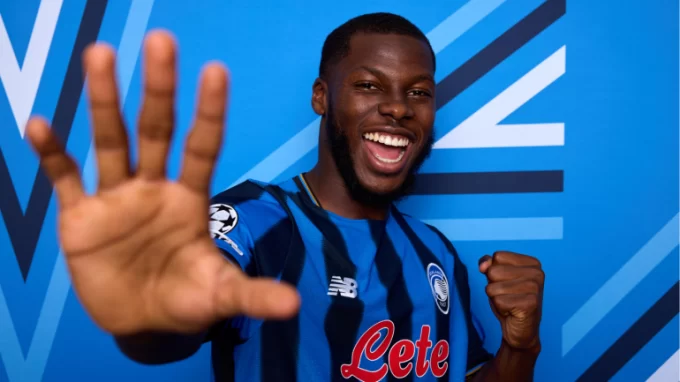
Juventus, Atalanta, and Arsenal’s Quiet Revolution: What’s Really Shaping This Week in Football?
The roar of Serie A stadiums masks a subtle shift, one that...
Kirsten Collins2 Mins read





Leave a comment