

The Dance That Shook the Shield
After years of penalizing it, the NFL has finally reversed course on a controversial celebration. But what does it say when a league controls joy like a brand asset?
 Joseph BennettJuly 31, 20252 Mins read60
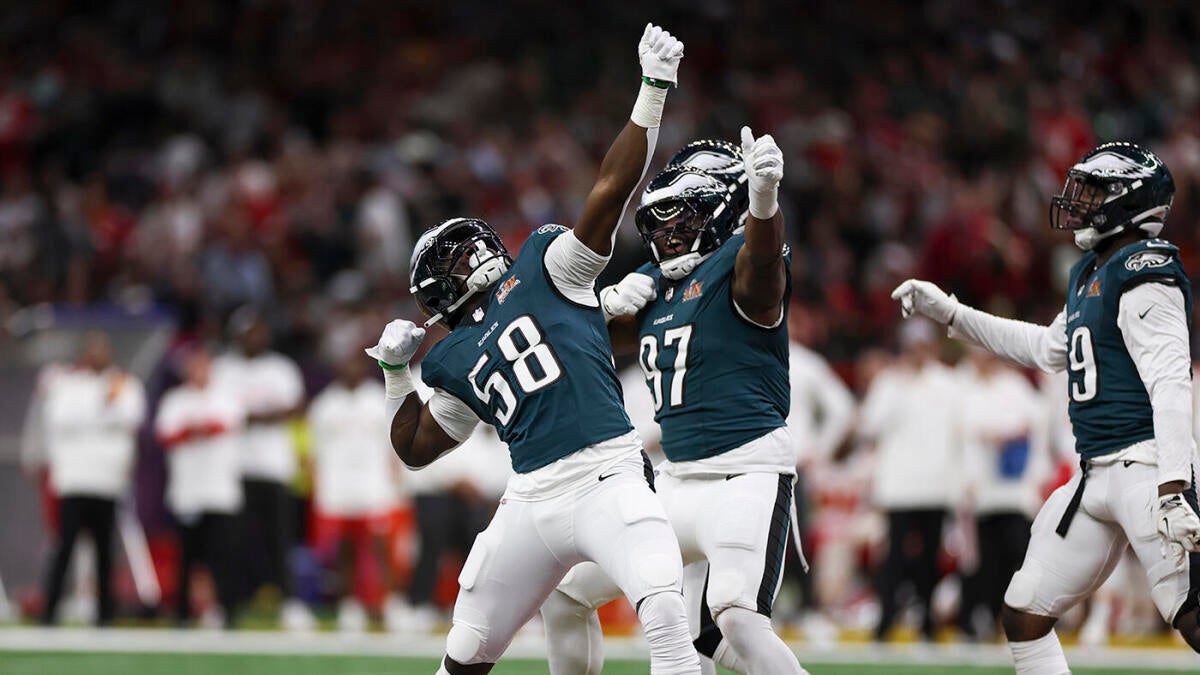
The dance was never just a dance. It was protest in rhythm, poetry in cleats, and for some, a spiritual release disguised as spectacle. And for too long, the NFL tried to erase it—penalizing players not for breaking rules, but for breaking silence. This week, the league quietly reversed a rule that once flagged a now-unnamed celebration. The irony? They did it without fanfare, as if trying not to draw attention to the very thing they once punished so publicly.
It wasn’t just a rule change—it was an admission. That beneath the tidy graphics, PR-crafted causes, and the pastel-pink Octobers, the league still struggles with who gets to be fully seen. The celebration in question—reportedly one mimicking prayer, protest, or pride—was deemed too “unsportsmanlike” in 2024. But to many, it felt more like cultural policing dressed as decorum. A billion-dollar brand telling its most electric stars how to emote.
Branding Joy, Regulating Identity
“Let the boys play,” shouted one cornerback on social media after the announcement, “you’re not God—you’re just the league.” And yet for years, the NFL has played God with precision. It told players when to kneel, how to grieve, even how long to smile after scoring. It wrapped its own values in flags and fines. The contradiction? It sells emotion. It packages swagger. It syndicates passion for primetime—and then penalizes its rawest expressions when they feel too real.
The celebration in question, insiders say, became too tied to moments of cultural unrest, its meaning shifting with the times: for one player, it was a reference to racial injustice; for another, a nod to faith or hometown struggle. Either way, it scared the suits upstairs. And so, it was silenced. Until now.
What the League Can’t Choreograph
What the NFL forgot is this: players don’t just move—they mean. Their bodies are archives, each touchdown a story, each celebration a footnote of survival. By reinstating the right to this unnamed gesture, the league thinks it’s being progressive. But what it’s really done is try to catch up with the players who’ve always been ahead—crafting narrative with movement, pushing back with a smile or a raised fist.
Will the fans care? Maybe not. Most will cheer louder now that the spectacle is complete again. But some will remember the season that joy became a flag. Some will ask why the league erased it in the first place. And others will wait, quietly, for the next moment of expression too powerful for the rulebook.
Because somewhere beneath the glittering stadium lights, another dance is already being written—one the league hasn’t prepared for. One they’ll never quite own.



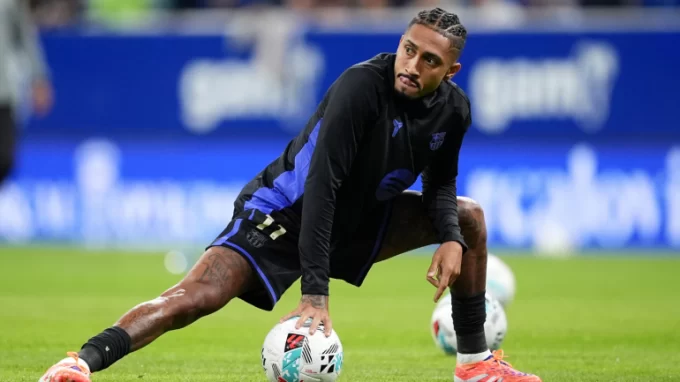
Barcelona’s Fragile Pursuit: When Injuries Threaten More Than Just a Season
A silence spreads over Camp Nou that no roar can drown out—two...
 Chris Marks2 Mins read
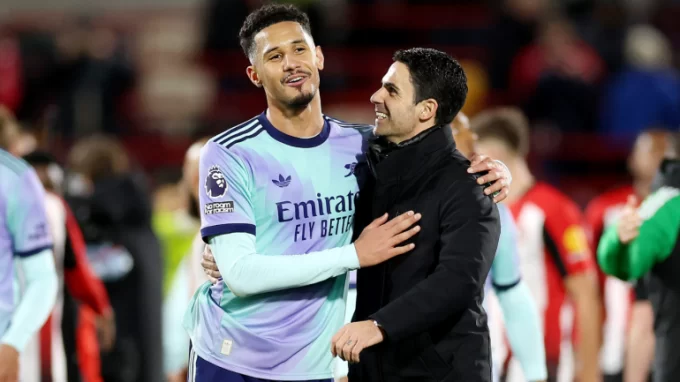
William Saliba: Arsenal’s Silent Architect or Its Greatest Gamble?
The air inside the Emirates shifts with unspoken tension—William Saliba, once a...
Joseph Bennett2 Mins read
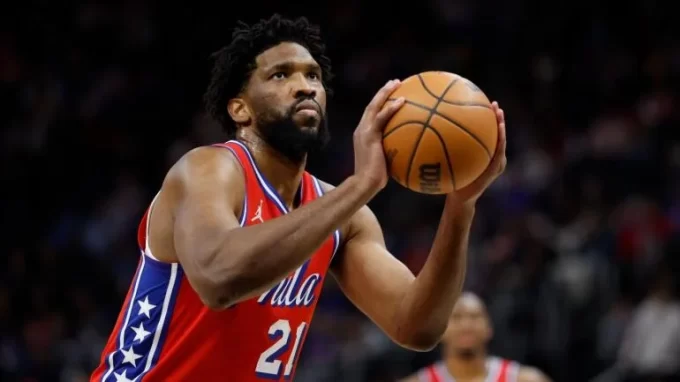
Joel Embiid’s Quiet Confidence: Is the 76ers’ Giant Ready to Rewrite His Story?
Joel Embiid is rarely one to make noise without purpose, and now,...
 Kirsten Collins1 Mins read
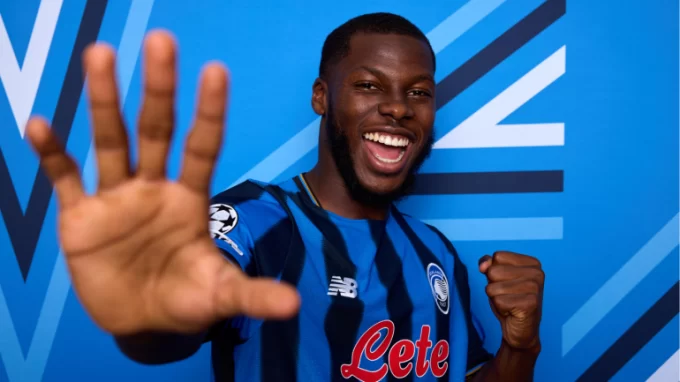
Juventus, Atalanta, and Arsenal’s Quiet Revolution: What’s Really Shaping This Week in Football?
The roar of Serie A stadiums masks a subtle shift, one that...
Kirsten Collins2 Mins read





Leave a comment