

Casting Spells or Casting Stones? Michelle Gomez, the Boy Who Lived, and the Backlash That Won’t Die
Michelle Gomez enters the Wizarding World, and the internet promptly combusts. But what is this really about—magic, memory, or the myth of moral purity?
 Chris MarksAugust 7, 20252 Mins read16
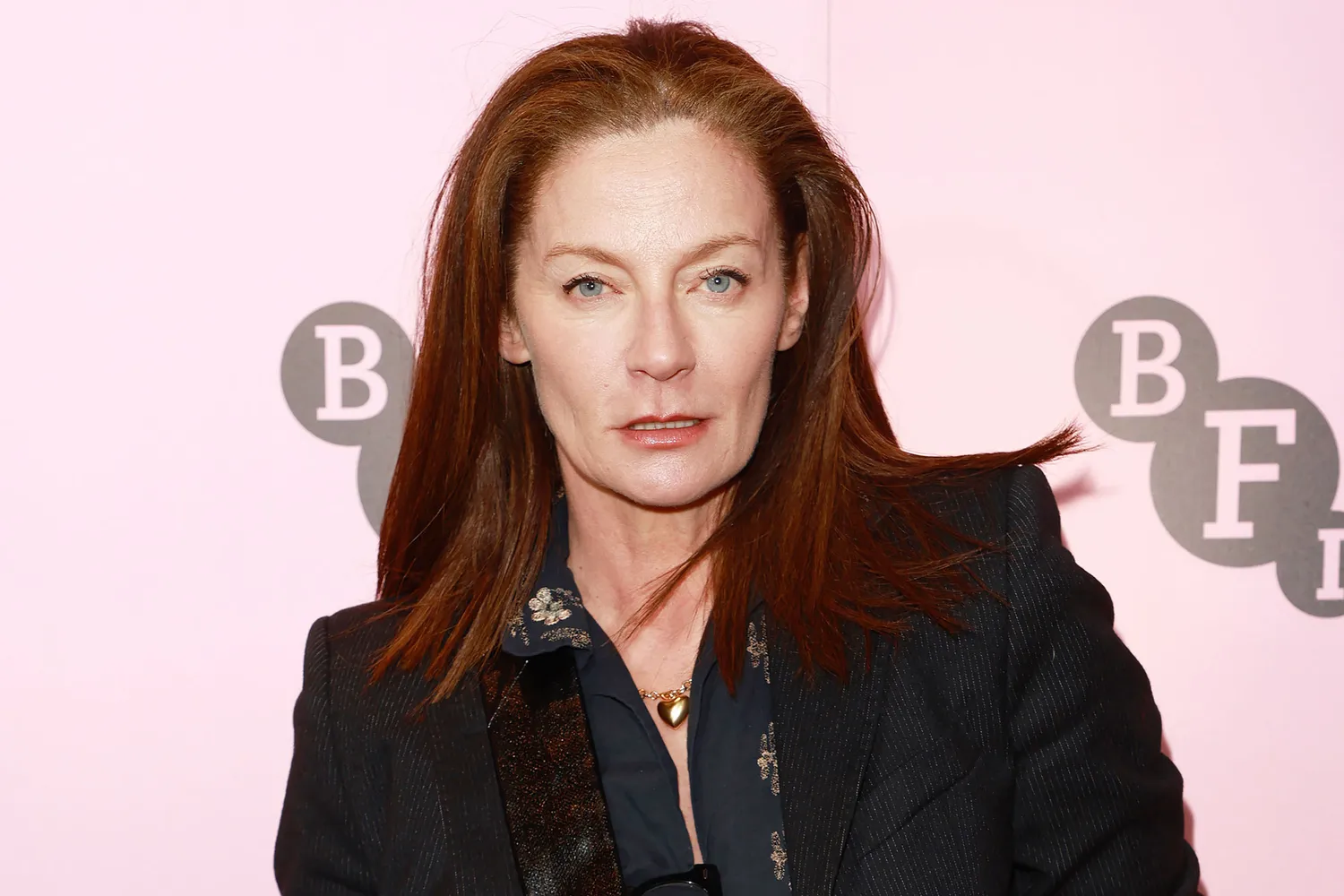
She said one sentence—“I’m thrilled”—and the crowd turned. A beloved character actress, Michelle Gomez, known for her witchy bite and British steel, steps into the role of Professor McGonagall for the Harry Potter reboot. Cue the backlash. Not against her, precisely, but against everything around her: the legacy, the author, the franchise’s shadowy afterlife. What should’ve been a moment of casting kismet became, instead, a cultural trial by fire.
In 2025, to wear Hogwarts robes is to also wear the weight of an author’s politics, the sins of canon, and the unbearable lightness of nostalgia. Gomez, sharp as ever, brushed it off with something approaching grace: “I’m not political. I’m just an actor.” But in this moment, can anyone working inside Potter’s world be apolitical? Or do they all become unwilling avatars in a bigger, more bitter war?
The Wand Chooses the Wizard, But the Internet Judges Everyone
The internet rarely forgives what it cannot forget. The announcement of the new Harry Potter series, complete with a reimagined cast and decade-long ambition, reignited the moral debate that’s trailed J.K. Rowling like a Dementor cloud. Michelle Gomez didn’t start the fire—but by signing onto the series, she inherited its heat.
And perhaps that’s the point. No longer is a role just a role. It’s a statement. A line in the sand. When an actor takes the wand, are they condoning the castle that built it? Or reclaiming the ruins? “The question isn’t why she said yes,” murmured one industry observer off-the-record, “it’s what we’re asking her to answer for.”
There’s something profoundly unsettling about how we flatten artists into symbols. Especially women. Especially now. Gomez has made a career of playing difficult, delightful, dangerous women. Why should this role be different?
When Magic Becomes a Minefield
We are in an era where choosing sides happens silently and visibly, all at once. You don’t need to post a statement; your casting is the statement. For those who grew up with Rowling’s world, there’s grief beneath the outrage. The boy who lived became the brand that won’t die, no matter how many times the public tries to bury it in hashtags.
But perhaps Gomez is the perfect McGonagall—not despite the controversy, but because of it. She’s nobody’s ingenue, nobody’s puppet. She plays with wit, not innocence. And maybe that’s what this reboot needs: not nostalgia, but confrontation.
The critics will ask: Is she lending credibility to something irreparably tainted? But what if she’s just walking into the wreckage with her own fire?
—
It ends, perhaps, where all stories do now—in the comment section, in the echo chamber, in the algorithms that punish curiosity. But somewhere beyond the din, a woman stepped onto a soundstage, put on a cloak, and decided to be someone else for a little while.
And maybe that’s the truest magic left: the audacity to act as if the world hasn’t already decided who you’re allowed to be.






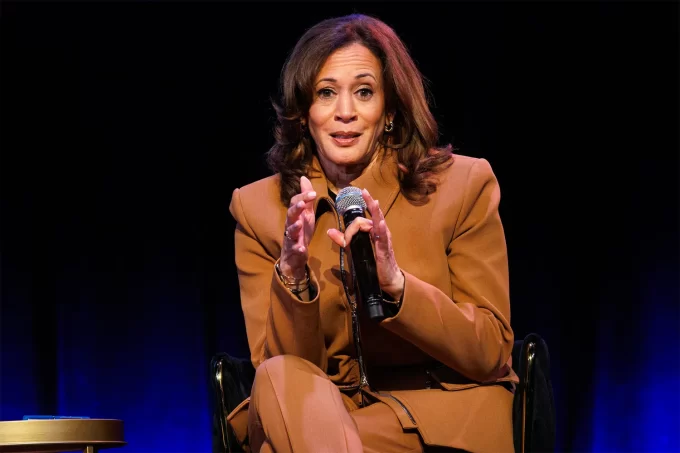
When “107 Days” Meets Outcry: Harris’s Book Tour Interrupted
The microphone crackled to life, and before Harris could finish her opening...
Chris Marks1 Mins read
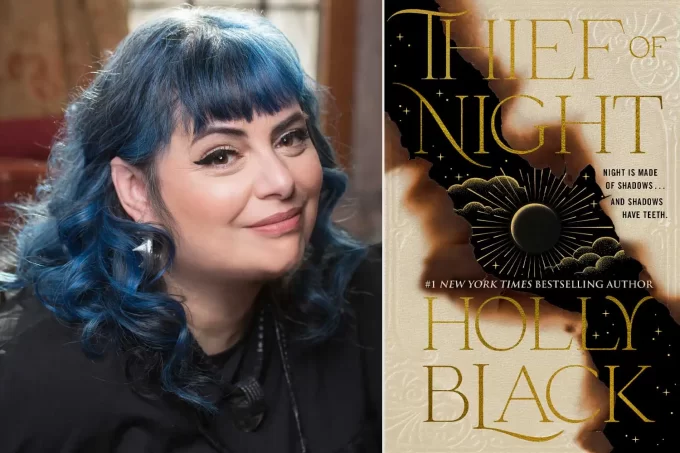
Whispers in the Shadows: Why Holly Black’s Sequel Is a Dark Invitation We Can’t Ignore
The night isn’t just dark—it’s ravenous, greedy, and it’s coming for you....
Chris Marks2 Mins read
Why Stephenie Meyer’s Regret About Edward Changes Everything You Thought You Knew
The moment Stephenie Meyer admitted she wouldn’t pick Edward Cullen today, a...
Chris Marks2 Mins read
When Fear, Fury & Feathers Collide: Cinema, Superheroes, and a Confessional Album
Open with tension—the kind that threads through a scream, a reveal, and...
Chris Marks2 Mins read




Leave a comment