

Kershaw’s Comeback: A Pitcher’s Uncertain Return and Baseball’s Hidden Gamble
Clayton Kershaw’s return to the mound is imminent, but what does it mean when a legendary arm is pushed to the edge? As the Dodgers wait for his rehab start to be the last, the real question isn’t whether Kershaw is ready—it’s whether the game itself is ready for him to return.
 Chris MarksMay 7, 20252 Mins read28
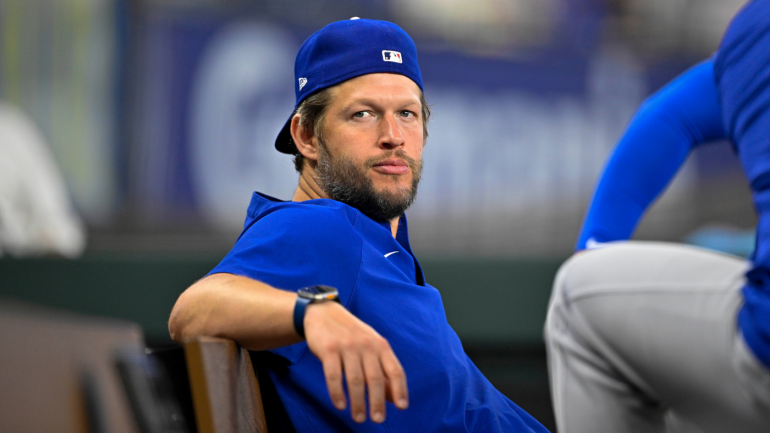
One final rehab start. That’s all it will take—or will it? Clayton Kershaw, the defining pitcher of a generation, is on the brink of returning. His arm, a weapon once feared across the league, is slowly but surely gearing up for a reentry into Major League Baseball. But in a game where speed, precision, and endurance are paramount, is “one more rehab start” truly enough to propel him back to his former greatness?
Kershaw’s season debut isn’t just another MLB return; it’s the unraveling of a narrative that has lingered for years: Will this be the start of his second wind, or the end of his illustrious run? The question isn’t whether Kershaw can make it back. It’s whether baseball—the relentless, unforgiving game—will allow him to remain at the top of his craft.
The Perils of the Great Comeback
It’s easy to romanticize a pitcher’s return. In Kershaw’s case, the thought of him resurrecting his once-dominant self on the mound sounds almost cinematic. But what many forget in these stories of glory and triumph is the dark side of the comeback. Kershaw, in his prime, was a once-in-a-generation talent. But that talent came at a cost: injuries. Shoulder woes, back spasms, elbow pain—his body has weathered more than just the stress of 100+ mph fastballs.
This isn’t merely a narrative about an aging star returning to the spotlight; it’s about the myth of invulnerability being challenged by the cold reality of time. How long can the human body sustain such a brutal, violent pursuit? Even when Kershaw returns, even if he throws a perfect game, can he outrun the injury clock?
As Dodgers fans eagerly anticipate his return, there’s an eerie undertone to the excitement. After all, for every player who comes back stronger, there’s another whose body is never quite the same. Kershaw, even if he does return with one more stellar start, is walking a fine line—one that too many great pitchers have slipped off of before.
The Price of Excellence
What’s more dangerous: the injury or the expectation? Baseball isn’t just a sport; it’s a constant weighing of talent against the unbearable pressure to perform. When Kershaw was at his peak, he wasn’t just expected to be good—he was expected to be flawless. And that expectation—rooted in the weight of his reputation—will always trail him, even as he recovers from the strain his body has borne for so long.
His return isn’t just about physical readiness. It’s about confronting the inevitability of decline. When you’re as great as Kershaw, the descent feels like an affront to the greatness you’ve worked so hard to maintain. Even now, as he rehabs and gets ready to take the mound once more, there’s a quiet reckoning taking place. Will Kershaw be able to redefine his legacy? Or is the pressure of expectation a force so powerful, it will haunt him until the final pitch?
And that, perhaps, is the greatest question of all. Because in baseball, greatness never truly disappears—it just changes form. The most unforgettable players find a way to evolve, adapt, and become legends in a different way. Kershaw may not return as the once-dominant ace, but he could very well become the seasoned, wise pitcher who has learned to work around the very limits that once seemed impossible to conquer.
But will the Dodgers accept him in that role? Will fans embrace a Kershaw who no longer dominates, but still wins? Or is baseball, in its hunger for perfection, destined to discard even the legends who once held it in their grasp?
As the days count down to Kershaw’s return, these questions loom large. It’s not just about one more rehab start. It’s about what happens next—and whether Kershaw can survive the weight of that.





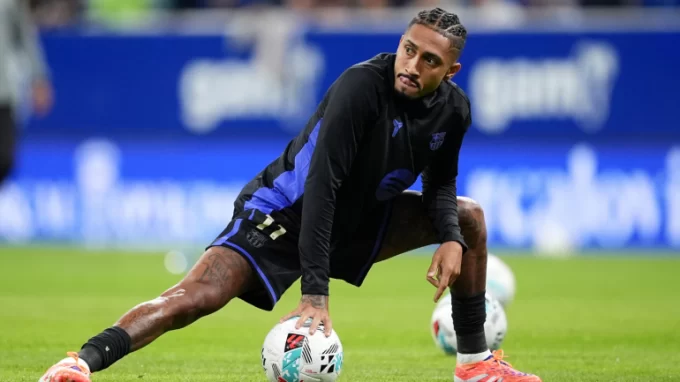
Barcelona’s Fragile Pursuit: When Injuries Threaten More Than Just a Season
A silence spreads over Camp Nou that no roar can drown out—two...
Chris Marks2 Mins read
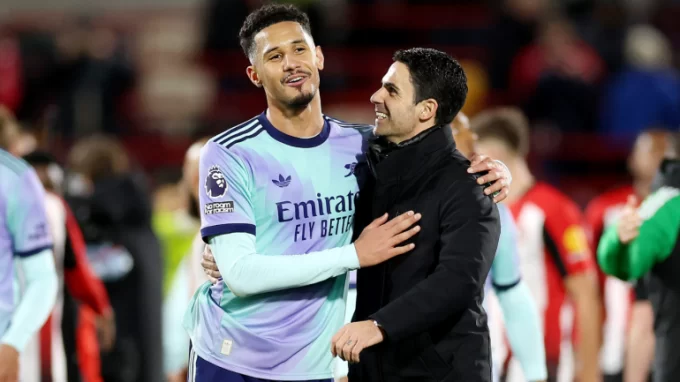
William Saliba: Arsenal’s Silent Architect or Its Greatest Gamble?
The air inside the Emirates shifts with unspoken tension—William Saliba, once a...
 Joseph Bennett2 Mins read
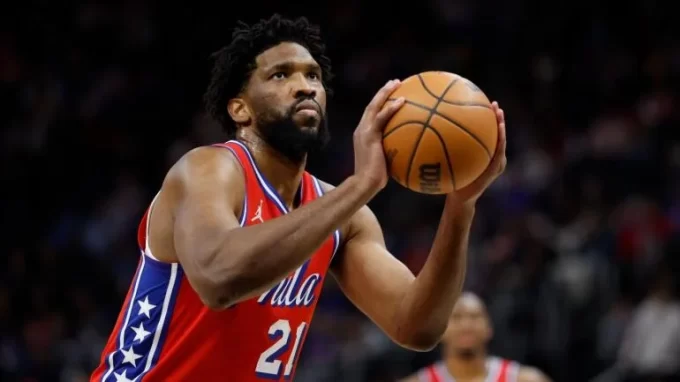
Joel Embiid’s Quiet Confidence: Is the 76ers’ Giant Ready to Rewrite His Story?
Joel Embiid is rarely one to make noise without purpose, and now,...
 Kirsten Collins1 Mins read
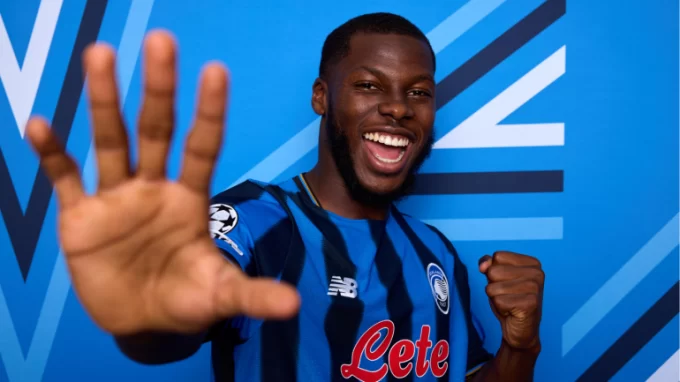
Juventus, Atalanta, and Arsenal’s Quiet Revolution: What’s Really Shaping This Week in Football?
The roar of Serie A stadiums masks a subtle shift, one that...
Kirsten Collins2 Mins read





Leave a comment