

Between the Lines: The Silent Duel of Red Sox and Phillies
July 21, 2025, is more than a date on the MLB calendar—it’s a stage for an unseen clash where odds, strategy, and hidden factors collide. What do the numbers truly whisper about this Red Sox vs. Phillies game?
 Kirsten CollinsJuly 21, 20251 Mins read47

The crack of the bat and the roar of the crowd are familiar melodies, yet on July 21, 2025, the real story unfolds in silence—inside the margins of odds and projections. The Red Sox and Phillies face off, but the game’s true battleground is hidden deep within predictive models that promise clarity yet harbor secrets.
Oddsmakers have spoken, but their numbers beg a question few dare ask: what are they not telling us?
The Art of the Invisible Edge
Proven models dissect every swing, every pitch, every nuance, offering “best bets” that seem carved from certainty. But certainty in baseball? A mirage, at best. Each statistic masks a web of variables—weather, psychology, fatigue—that no algorithm can fully grasp. “It’s never just about the numbers,” a veteran analyst mused, “it’s about the stories those numbers refuse to tell.”
The Phillies may look favored on paper, but what undercurrents could shift the tide before the first pitch? The Red Sox, with a history of defying expectations, remind us that the game is as much about human will as predictive power.
When Models Meet Mystery
The line between data-driven confidence and the unpredictability of sport blurs here. Betting lines reflect probabilities, yet the unpredictability of baseball has a way of rendering models poetic, not prophetic. What if the most compelling pick is the one the model hesitates to endorse?
Somewhere in the silent spaces between analytics and instinct, the true game is played. “Models give us a map, but the terrain is alive,” one bettor confided. And on July 21, the terrain may prove treacherous for even the most seasoned forecaster.
So as the Red Sox and Phillies prepare to tip the scales, we are left pondering: do odds dictate fate, or is fate always one step ahead, waiting in the shadows? And as the game unfolds, who will be the quiet victor—the model or the moment?
In the end, maybe the greatest wager is on the unknown.


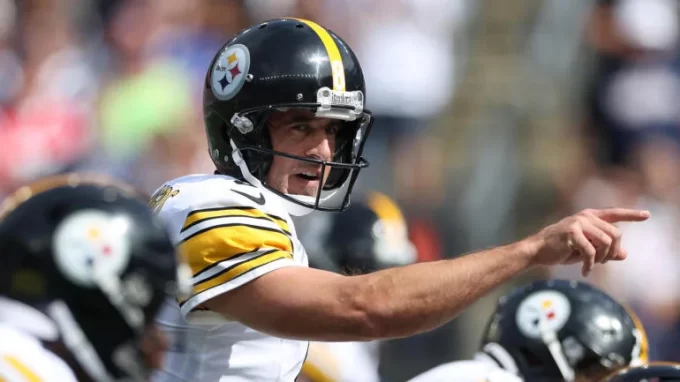




Barcelona’s Fragile Pursuit: When Injuries Threaten More Than Just a Season
A silence spreads over Camp Nou that no roar can drown out—two...
 Chris Marks2 Mins read
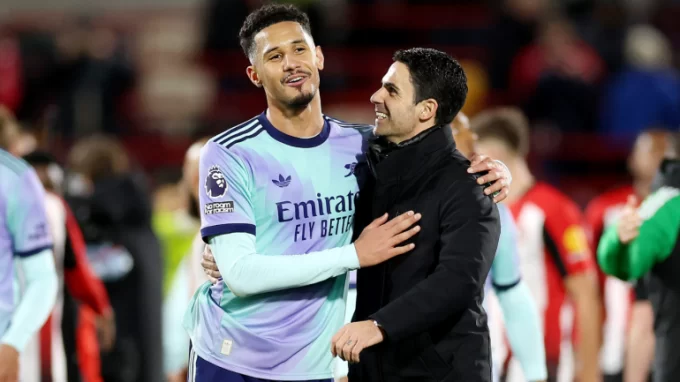
William Saliba: Arsenal’s Silent Architect or Its Greatest Gamble?
The air inside the Emirates shifts with unspoken tension—William Saliba, once a...
 Joseph Bennett2 Mins read
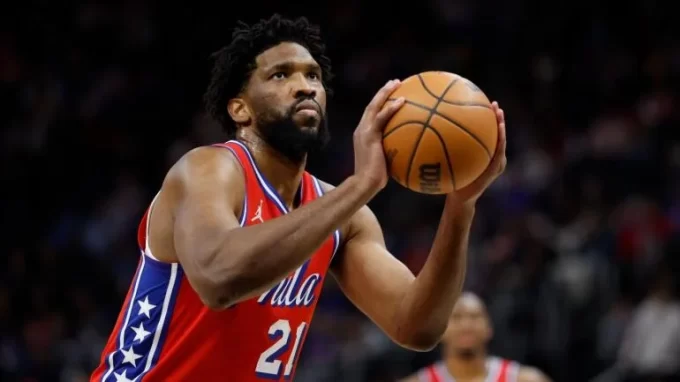
Joel Embiid’s Quiet Confidence: Is the 76ers’ Giant Ready to Rewrite His Story?
Joel Embiid is rarely one to make noise without purpose, and now,...
Kirsten Collins1 Mins read
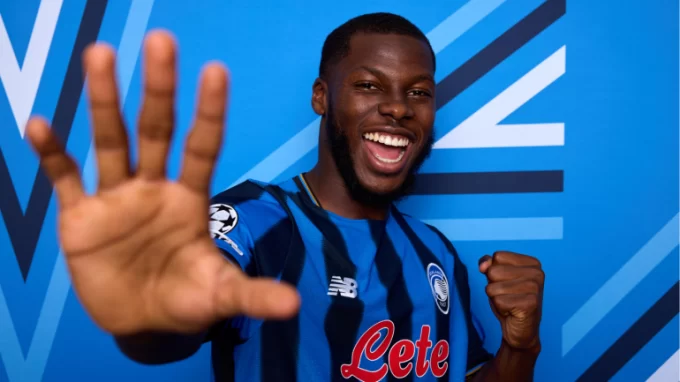
Juventus, Atalanta, and Arsenal’s Quiet Revolution: What’s Really Shaping This Week in Football?
The roar of Serie A stadiums masks a subtle shift, one that...
Kirsten Collins2 Mins read





Leave a comment