

Eric Braeden on Titanic: Glamorous Set or Soap Opera Speed?
Soap icon Eric Braeden calls filming Titanic “bloody boring” compared to the rapid pace of daytime serials—but was he speaking literal truth or tongue-in-cheek bravado?
 Chris MarksJuly 7, 20251 Mins read17
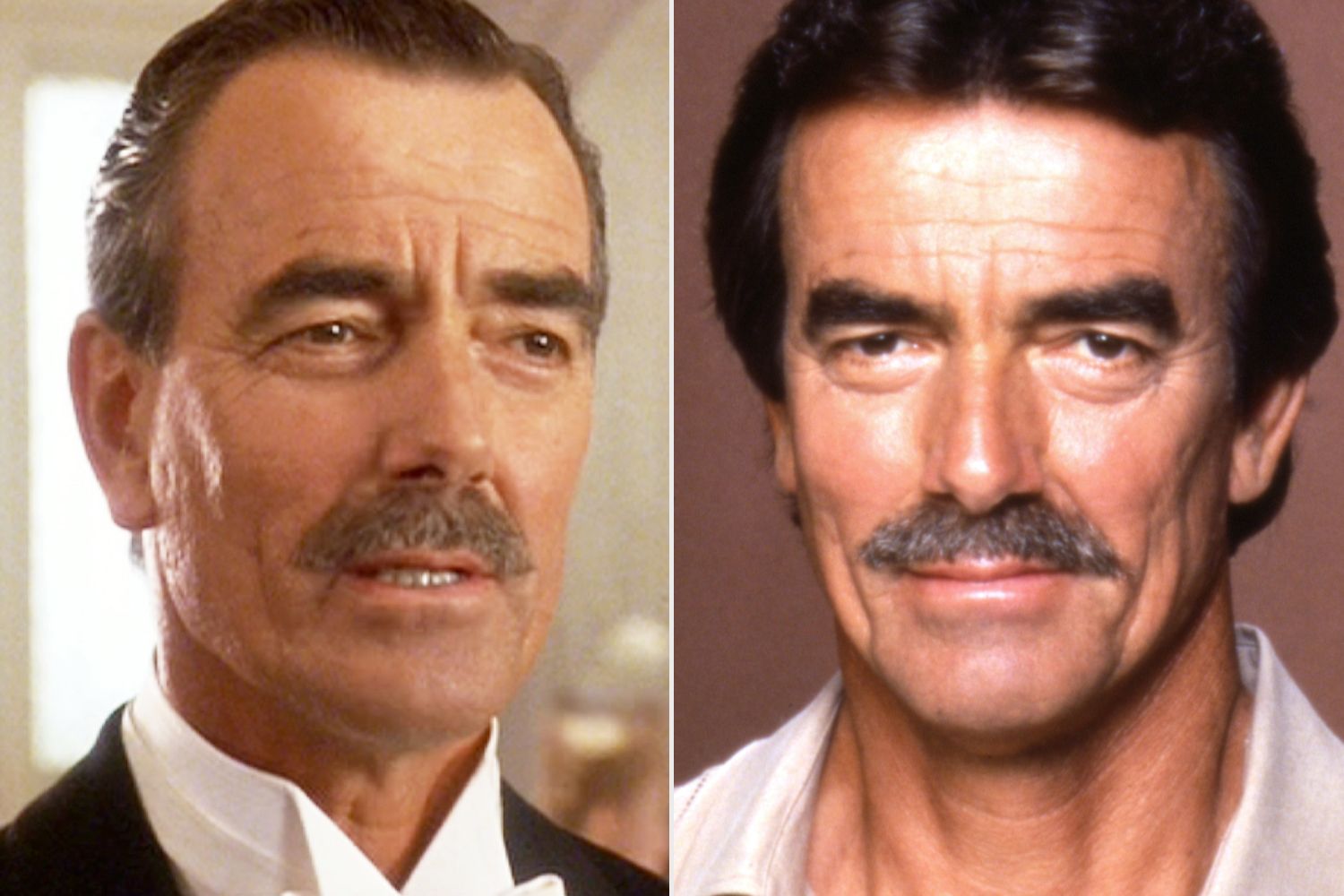
CBS via Getty (2)
He’s known as the mercurial Victor Newman, but in his latest confession, Eric Braeden reveals a different truth: the hulking film set of Titanic left him yearning for the breakneck pace of soap operas.
In the inaugural episode of Soapy, hosted by Rebecca Budig and Greg Rikaart, Braeden quips that after delivering around 260 episodes of The Young and the Restless each year, even working with James Cameron on Titanic felt “bloody boring.” The slower rhythms, the relaxed wait-times—it was a different world. And yet, behind that tongue-in-cheek jab lies a deeper portrait of two distinctly different storytelling machines.
Soap Rhythm vs. Cinematic Tempo
Braeden’s point isn’t merely about speed; it’s about structure. Daytime TV is a machine—a relentless churn requiring immediate memory, instant emotional recall, and rare breaks. In contrast, film sets move deliberately, “time in between scenes to socialize, light a shot, reset.” He contrasts this bustling map of production intensity to Titanic’s looser tempo. Is efficiency—the soap’s heartbeat—underrated even in big-budget cinema?
Fear, Fame, and the Cameron Intimidation
Braeden’s anecdotes go deeper: initial dread of working with “bloody big a––hole” James Cameron, refusal to board the plane to Mexico, nearly exiting and ultimately yielding to family encouragement. He recalled meeting Cameron and discovering “he couldn’t have been nicer.” It’s a tale of myth upended: the perfectionist director turned thoughtful host. Does this reveal a generational divide in how sets should feel and be felt?
This isn’t simply industry insider talk—it’s a commentary on creative tempo, power dynamics, and the pace at which art is made. It’s rare to see a soap legend dismiss the Titanic experience, but Braeden’s candor forces us to ask: what do we value more—relentless velocity or mindful craft?
If we’ve come to equate film sets with glamour, maybe it’s time to consider what drive truly sustains storytelling—speed, patience, or perhaps, a balance between both.
After all, Titanic may flow with dramatic waves—but for some, the quickest current cuts deepest.







Start the New Year by Investing in Yourself – Hollywood Life
Image Credit: European Wax Center The new year is all about fresh...
 Kirsten Collins2 Mins read

Where Is Liam Conejo Ramos Now? Updates on 5-Year-Old’s ICE Detainment – Hollywood Life
Image Credit: Getty Images Liam Conejo Ramos came home from preschool while...
Kirsten Collins2 Mins read

Who Is Harry Styles’ ‘Aperture’ About? Breakdown of the Lyrics – Hollywood Life
View gallery Image Credit: Getty Images We’ve doing doing all this late...
Kirsten Collins1 Mins read

When Are the Oscars 2026? Date of the Academy Awards – Hollywood Life
Image Credit: AFP via Getty Images The Oscars are officially on the...
Kirsten Collins1 Mins read




Leave a comment