

“The Hymn to Dionysus”: Natasha Pulley’s Myth-Spun, War-Torn Epic of Gods, Grief, and the Madness of Becoming
 Showline ReviewerApril 8, 20252 Mins read116

Gods in the Dirt, Mortals in the Stars: The Hymn to Dionysus Rewrites Divinity as Defiance
From the first pages of The Hymn to Dionysus, Natasha Pulley lifts you into a world that feels older than myth and sharper than prophecy—a place where war and wine, love and vengeance, religion and rebellion all pulse to the same fevered rhythm. This isn’t just a retelling. It’s a reckoning.
The god at the center is not the playful reveler of theatre masks and toasts. Pulley’s Dionysus is wounded, wrathful, feral with grief. The novel places him in the trenches of WWI—a brilliant move that reframes the ancient as violently modern. As the world tears itself apart with bayonets and gas, the god of ecstasy and chaos reemerges, haunted by past betrayals and the question that throbs through every chapter: what happens when a god remembers what it means to suffer?
The prose is lush and lyrical, as expected from Pulley, but it’s also jagged in all the right places—there’s blood on every vine, sorrow in every lyric. She blends mythology with historical grit so seamlessly that you forget which parts are “real.” The warfront becomes a sacred ground and a desecrated altar all at once. “Divinity,” the narrator reflects, “wasn’t a matter of power, but persistence.” That line, as simple as it is, echoes with the novel’s core: the survival of stories, the pain of embodiment, the madness that comes with memory.
Characters are both archetypal and achingly human—soldiers, lovers, cultists, enemies—and Dionysus himself is rendered with the mercurial grace of a star collapsing inward. The queer undertones aren’t subtext—they’re woven into the emotional logic of the novel. Longing, rage, and beauty exist side by side, and nothing is ever just one thing.
Pulley’s pacing is daring—slow burns of revelation give way to scenes of breathtaking violence and sudden tenderness. And throughout it all, the figure of Dionysus lingers not as a savior, but as a mirror: seductive, terrible, and necessary.
Who Should Read This
The Hymn to Dionysus is for readers who want their myth with muscle and meaning. Fans of Madeline Miller’s The Song of Achilles, Tamsyn Muir’s Gideon the Ninth, or Ali Smith’s mythic deconstructions will find a new favorite here. It’s especially resonant for those drawn to queerness in classical mythology, the poetic brutality of war stories, and gods that don’t just shimmer—they shatter.

Review Overview
Summary
With mythic grandeur and piercing emotional depth, The Hymn to Dionysus drapes the divine in human ache—where gods bleed, mortals rebel, and madness is both punishment and salvation.
- Story Grip8
- Character Connection10
- Writing Vibe10
- Freshness & Meaning10
- World & Mood9
- Heartstrings & Haunting10
- Overall Flow9







When “107 Days” Meets Outcry: Harris’s Book Tour Interrupted
The microphone crackled to life, and before Harris could finish her opening...
 Chris Marks1 Mins read
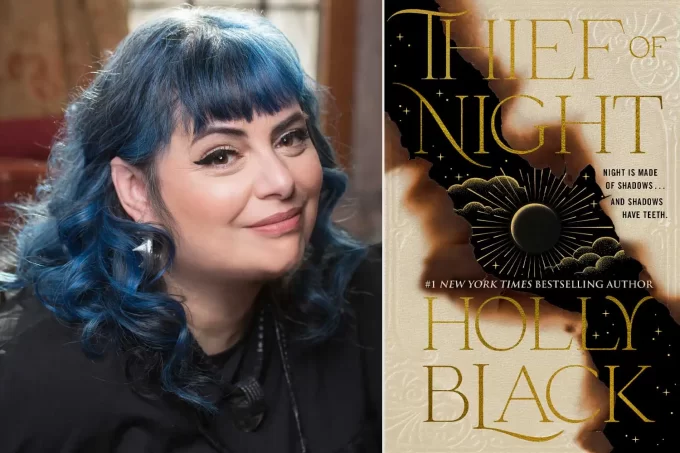
Whispers in the Shadows: Why Holly Black’s Sequel Is a Dark Invitation We Can’t Ignore
The night isn’t just dark—it’s ravenous, greedy, and it’s coming for you....
Chris Marks2 Mins read

Why Stephenie Meyer’s Regret About Edward Changes Everything You Thought You Knew
The moment Stephenie Meyer admitted she wouldn’t pick Edward Cullen today, a...
Chris Marks2 Mins read

When Fear, Fury & Feathers Collide: Cinema, Superheroes, and a Confessional Album
Open with tension—the kind that threads through a scream, a reveal, and...
Chris Marks2 Mins read





Leave a comment