

The Invisible Market: What a Refugee Camp Teaches Us About the True Nature of Economics
Beneath the tarps and trauma, a hidden economy pulses. Refugee camps don’t just house the displaced—they incubate systems of trade, value, and resilience that challenge our most rigid economic assumptions.
 Krista FreelandApril 3, 20251 Mins read114
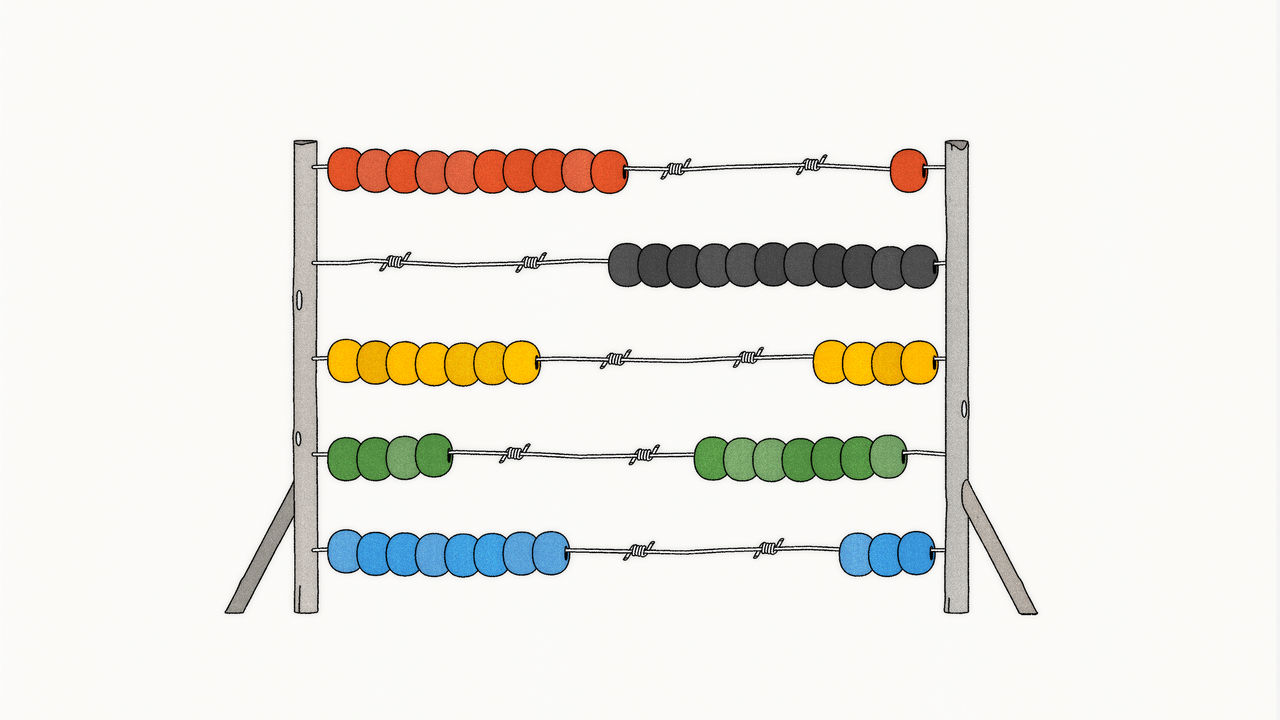
Economics is often taught in charts and theories, through the movement of markets and the hum of capital cities. But there’s a version of it—raw, adaptive, and stripped of luxury—that exists far from Wall Street or Silicon Valley. You’ll find it under corrugated roofs, behind makeshift stalls, and in the shadow economies of refugee camps.
There, survival is currency. Trust is collateral. Innovation is necessity. And the lines between desperation and entrepreneurship blur.
In camps that were meant to be temporary—but have become generational—economies emerge not out of abundance, but out of absence. There are no stock exchanges, but there are negotiations. No official currency, yet barter thrives. With minimal infrastructure, communities engineer their own systems: haircuts traded for lentils, secondhand shoes sold at a markup, phone-charging stations powered by car batteries for a fee. In the absence of banks, social capital becomes the vault.
The Marketplace Without a Market
What refugee camps reveal is not just the resilience of displaced people—it’s the agility of economics when stripped of bureaucracy. UN rations become inventory. Tents become storefronts. Aid, once handed out as charity, circulates with entrepreneurial precision.
Economist Alexander Betts called it “survivalist innovation.” But it’s more than that—it’s a rebuke of how mainstream economics underestimates the informal. The traditional models don’t account for trauma, scarcity, or the kind of urgency that comes from rebuilding life from zero. Yet, in this vacuum, a new model forms—an economy that functions without permission, but not without order.
The Cost of Dignity, The Price of Being Seen
What’s both powerful and heartbreaking is the dignity embedded in these informal economies. When a woman in a Jordanian camp begins sewing dresses from donated fabrics to sell to her neighbors, she isn’t just making money—she’s making meaning. She’s refusing invisibility.
But here’s where the contradiction deepens: despite their complexity, these camp economies remain mostly undocumented and under-supported. Global economic systems ignore them, NGOs under-regulate them, and host nations often restrict them. And yet, they thrive. Not because they’re wanted—but because they are needed.
So what happens when the world finally recognizes that refugee camps are not just sites of suffering, but laboratories of human economic potential?
Perhaps the better question is: why haven’t we realized it already?





How Much Will Trump’s Policies Really Cost Wall Street?
When Donald Trump first took office, his policies were sold as a...
 Kirsten Collins2 Mins read

Milken 2025: The Party of the Rich, Amid a World Falling Apart
The night was electric in a way that only a private, star-studded...
 Joseph Bennett3 Mins read

Buffett, Cook, and the Quiet War for America’s Soul
There was a moment, barely a second long, when Warren Buffett’s smile...
Joseph Bennett3 Mins read
The Deception Behind the Deal: How Bait-and-Switch Pricing Is Shaping Our Desires
It’s the perfect price—a promise of a deal that seems too good...
Joseph Bennett3 Mins read





Leave a comment