

The Silence That Speaks Louder: Why Two Authors Turned Down PEN Nominations
When two acclaimed writers quietly declined PEN America award nominations, the literary world barely blinked—yet their refusal might be the most damning critique of all.
 Krista FreelandMarch 24, 20251 Mins read139

A refusal is rarely louder than an acceptance. But when two authors—Aaliyah Bilal and Camonghne Felix—declined their PEN America award nominations this year, it wasn’t just a personal decision. It was a rupture. Quiet, yes. But not silent. It echoed through the literary halls with the unmistakable tone of protest.
PEN America, an organization whose mission is to protect free expression and celebrate the written word, suddenly found itself on the receiving end of the very critique it often makes space for. And here’s the twist: the literary elite didn’t rush to dissect it. The New York cocktail circuit didn’t erupt. Instead, there was an unsettling hush, as if everyone recognized the weight of the gesture but didn’t know how to hold it.
The Ethics of the Applause
Bilal, nominated for her story collection Temple Folk, and Felix, for her memoir Dyscalculia, didn’t reject the honor flippantly. Their decision followed growing discontent with PEN America’s response to global humanitarian crises—particularly its position on Gaza. What does it mean when an organization built on moral clarity seems ambiguous in moments of moral urgency?
The rejection felt deeply literary, not in style, but in structure. A denial of the stage. A red pen through the standard script. “Accepting an award can imply agreement,” one insider said, “and they weren’t willing to co-sign.” In a culture that often confuses silence with compliance, Bilal and Felix delivered a more nuanced message: refusal can be articulation.
Literary Laurels or Cultural Complicity?
This isn’t the first time authors have used the award season not to ascend, but to resist. Yet what sets this moment apart is its mood. It doesn’t feel angry—it feels exhausted. Tired of applause that forgets its context. Tired of institutions that sidestep nuance in pursuit of neutrality. And tired of being asked to make art without opinion.
But what does it mean for the future of literary institutions when the writers they’re built to honor begin to back away? Will these acts of rejection multiply—or be quietly erased by the next round of nominations?
As the season unfolds, one wonders whether the most important stories won’t be found in the books that win—but in the authors who choose to walk away from the podium.






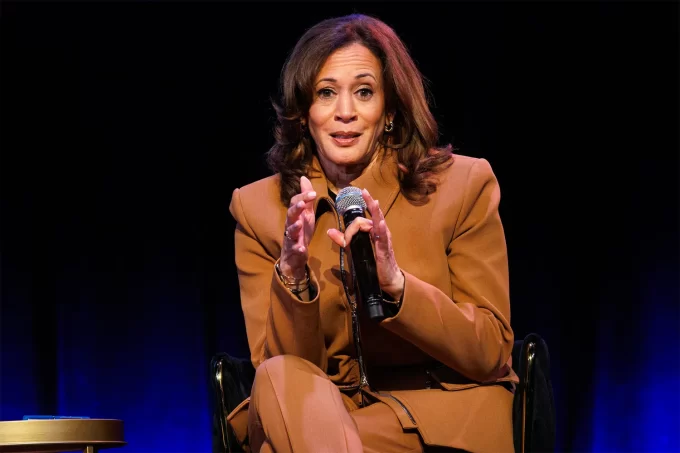
When “107 Days” Meets Outcry: Harris’s Book Tour Interrupted
The microphone crackled to life, and before Harris could finish her opening...
 Chris Marks1 Mins read
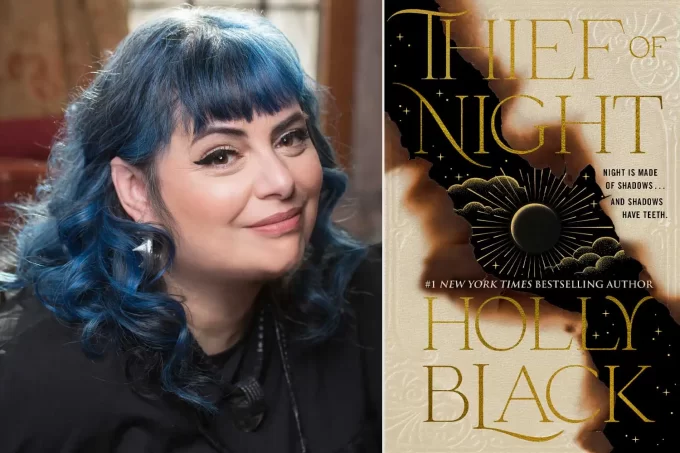
Whispers in the Shadows: Why Holly Black’s Sequel Is a Dark Invitation We Can’t Ignore
The night isn’t just dark—it’s ravenous, greedy, and it’s coming for you....
Chris Marks2 Mins read
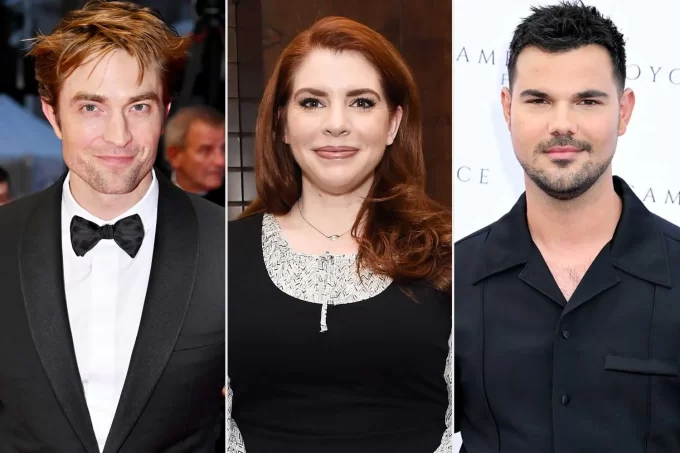
Why Stephenie Meyer’s Regret About Edward Changes Everything You Thought You Knew
The moment Stephenie Meyer admitted she wouldn’t pick Edward Cullen today, a...
Chris Marks2 Mins read
When Fear, Fury & Feathers Collide: Cinema, Superheroes, and a Confessional Album
Open with tension—the kind that threads through a scream, a reveal, and...
Chris Marks2 Mins read





Leave a comment