

The Invisible Shortcut That Makes Escape from New York Timeless
Beneath the grit and chaos of Escape from New York lies a storytelling shortcut so subtle it’s almost invisible—yet it shapes the film’s enduring power in ways most viewers never notice.
 Krista FreelandJuly 10, 20252 Mins read60
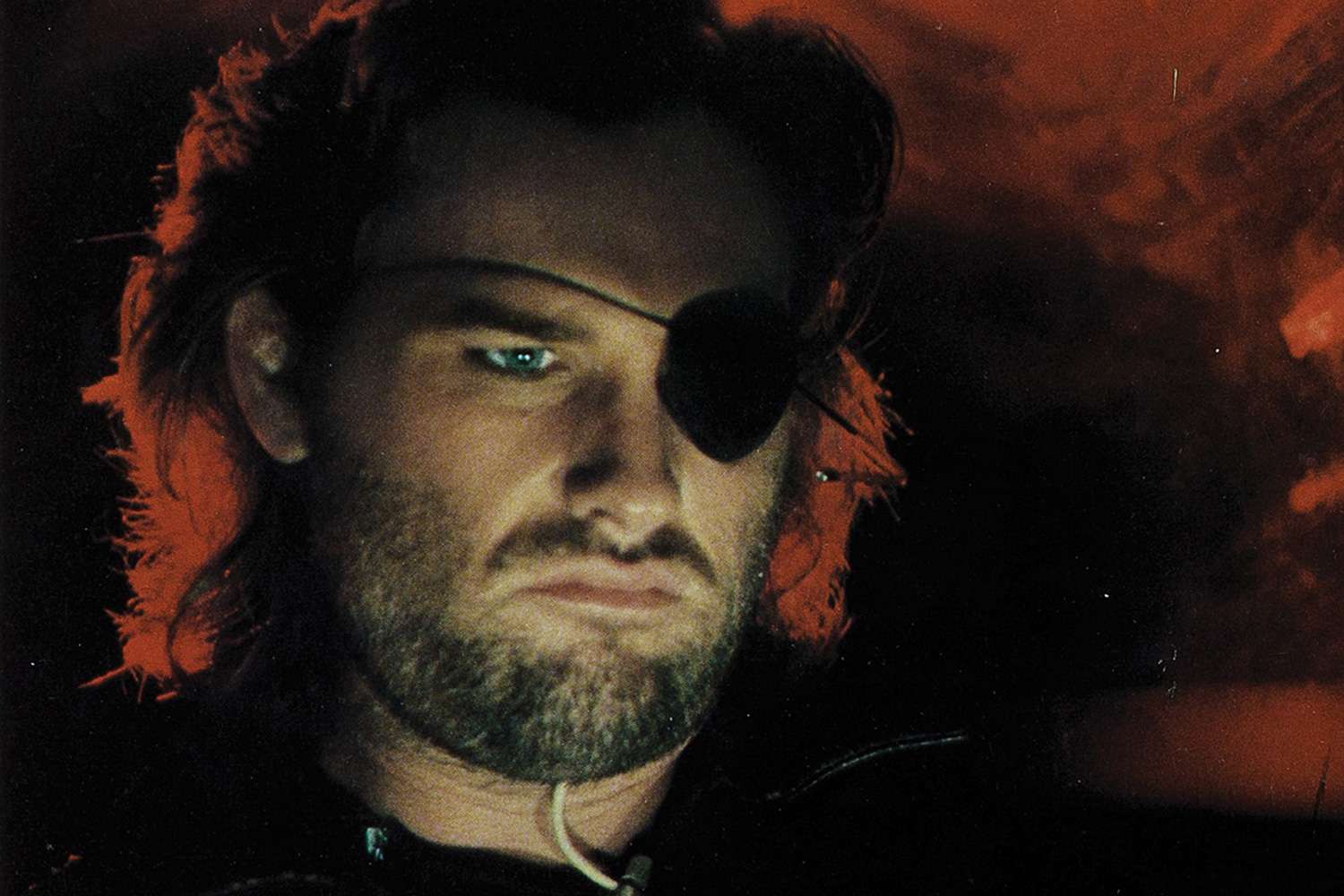
AVCO Embassy Pictures/courtesy Everett
The city burns, the clock ticks, and a lone antihero maneuvers through chaos—yet Escape from New York’s true power isn’t just in its violent spectacle. Somewhere in the shadows of this dystopian maze lies a storytelling shortcut so clever, so seamlessly woven, it escapes notice entirely. It’s a trick of narrative sleight-of-hand, one that makes the film’s world feel simultaneously vast and claustrophobic, immediate yet mythic. And once seen, it changes everything.
This shortcut is more than a cinematic device; it’s a secret pact between filmmaker and audience, an invitation to fill in gaps, to imagine beyond the frame. John Carpenter didn’t just direct a cult classic—he engineered a storytelling experience where silence, implication, and suggestion become as loud as the gunfire. “It’s about what you don’t see that haunts you,” Carpenter once said. This absence is the film’s true pulse.
Whispers in the Wreckage
Escape from New York never spells everything out. Instead, it uses fragments—a scrap of dialogue, a lingering shot, a piece of score—to suggest a world far bigger and darker than what unfolds on screen. The shortcut? It’s the economy of storytelling, a razor’s edge that trusts viewers to stitch together a sprawling dystopia from whispered hints. It’s why Snake Plissken’s city feels both oppressive and lived-in, real and dreamlike. The film never explains the politics or the origins of the collapse; it simply lets the chaos speak, and the audience listens.
This economy invites questions: What happened to the world outside that island prison? Who controls the shadows lurking just off-frame? The storytelling shortcut isn’t a shortcut at all—it’s a labyrinth, a mystery box that refuses easy answers, compelling us to peer deeper into the darkness.
The Art of Leaving Things Unsaid
In an era obsessed with exposition, Escape from New York is a rebel—a study in how much power lies in omission. Carpenter’s artful gaps fuel the film’s mythic resonance, turning a dystopian action flick into a haunting meditation on control, freedom, and identity. As Snake famously sneers, “Call me Snake.” The name alone, stripped of backstory, becomes an emblem, a cipher. The film trusts us to read between the lines, and in doing so, we become co-creators of the narrative.
This storytelling shortcut challenges contemporary cinema’s impulse to explain everything. It whispers a radical idea: sometimes, mystery is the most potent storytelling device. It leaves the audience suspended in tension, hunger, and imagination—a space where the film lives on long after the credits roll.
So, next time you watch Escape from New York, look closer. The shortcut isn’t missed dialogue or a plot hole—it’s the very silence that fills the frame, the shadow lurking at the edge of the screen. And it asks us, quietly, insistently: what stories do we tell when we’re not told everything?







5 Things About the New HBO ‘Harry Potter’ Star – Hollywood Life
Image Credit: Aidan Monaghan/HBO Dominic McLaughlin may be a newcomer to Hollywood,...
 Kirsten Collins1 Mins read

Why Is Sora Shutting Down? Inside the Closure of the OpenAI App – Hollywood Life
Image Credit: NurPhoto via Getty Images Sora, the first standalone OpenAI app...
Kirsten Collins2 Mins read

Is Savannah Guthrie Coming Back to the ‘Today’ Show? What We Know – Hollywood Life
Image Credit: Getty Images Savannah Guthrie has stepped away from the Today show...
Kirsten Collins2 Mins read
How Did Chuck Norris Die? Updates on the Late Actor’s Cause of Death – Hollywood Life
View gallery Image Credit: Getty Images Chuck Norris, the actor and martial...
Kirsten Collins2 Mins read





Leave a comment