

Oklahoma City’s Thunder: Locked In—or Just Playing for Time?
With a lease signed to keep the Thunder in Oklahoma City through 2053, the city appears to have sealed its fate with the franchise. But beneath the official ink, what unseen forces might be stirring in the shadows of this long-term commitment?
 Kirsten CollinsJune 17, 20252 Mins read21
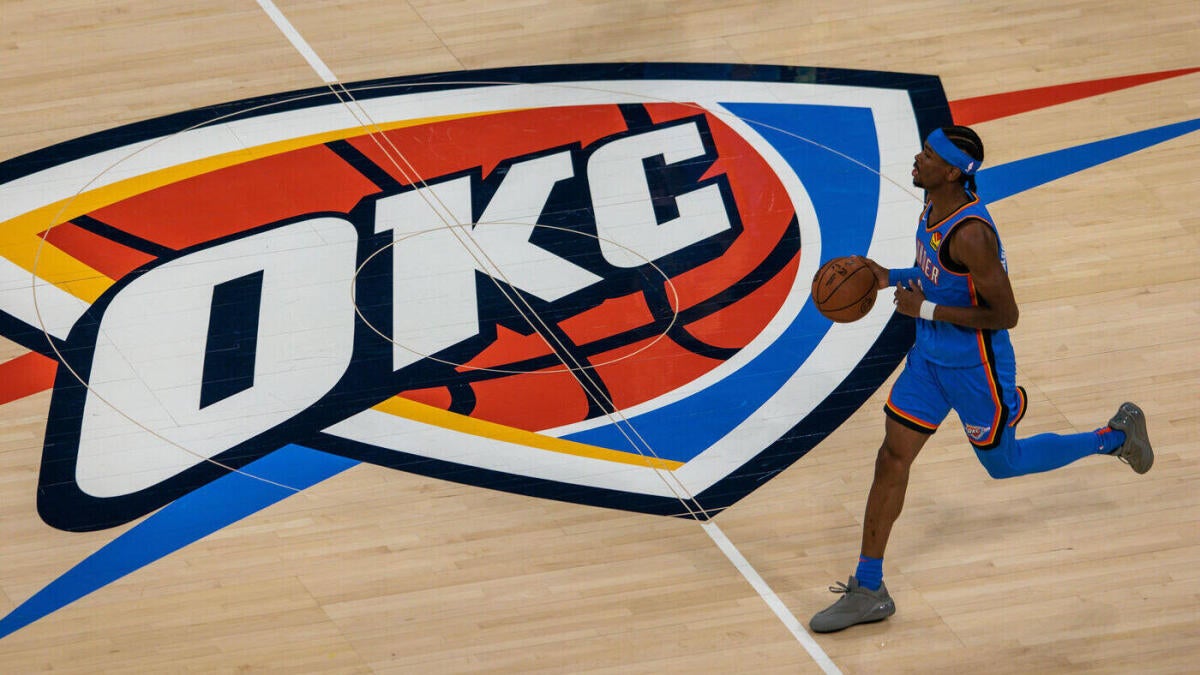
The echo of the pen signing a lease that stretches three decades into the future barely masks the question hanging over Oklahoma City’s skyline: Is this a definitive end to whispers of relocation, or a sophisticated pause in a saga far from over? The Thunder, whose arrival once electrified a city craving a place on the NBA map, are now tethered legally to Oklahoma through at least 2053. Yet, the permanence feels less like a celebration and more like a delicate truce with uncertainty itself.
While the mayor’s signature on this sprawling contract feels like a victory lap, the shadows of past NBA franchise moves linger just beyond the arena walls. The question isn’t just “Will the Thunder stay?” but “At what cost and under what unseen pressures?”
When Longevity Becomes a Strategy, Not a Guarantee
Commitments this long are rare in the sports world, where teams have historically drifted like restless ships seeking more lucrative harbors. This lease, signed with a pointed emphasis on stability, may also be a chess move—securing leverage in negotiations, appeasing fans, and possibly placating deeper business currents. It begs the question: Are Oklahoma City officials truly betting on the Thunder as a long-term identity, or are they anchoring the franchise while anticipating changes behind closed doors?
A source close to the negotiations hinted, “This deal isn’t just about basketball; it’s about politics, real estate, and the city’s broader ambitions. The lease is a statement—but statements can be rewritten.”
Beyond the Court: What This Means for Oklahoma City
This isn’t just a story of a team staying put; it’s a narrative about a city grappling with its place in the modern sports economy. What does a 30-year lease mean for local businesses, civic pride, and the community that has rallied around the Thunder’s stars? And how might the long leash shape the NBA’s own evolving landscape, where market size, arena deals, and corporate interests dictate fortunes more than hometown loyalty?
The answer may not come from the court but from the corridors of power—where deals are struck not with fans in mind, but with balance sheets and influence.
Oklahoma City’s future with the Thunder is now inked in legalese, but permanence in sports is a mirage as much as a promise. The lease might bind the team to this city, but the story of loyalty, ambition, and business will continue to unfold, as fluid and unpredictable as the game itself. What really lies beneath the surface of this 30-year pact? Only time—and the next move—will tell.





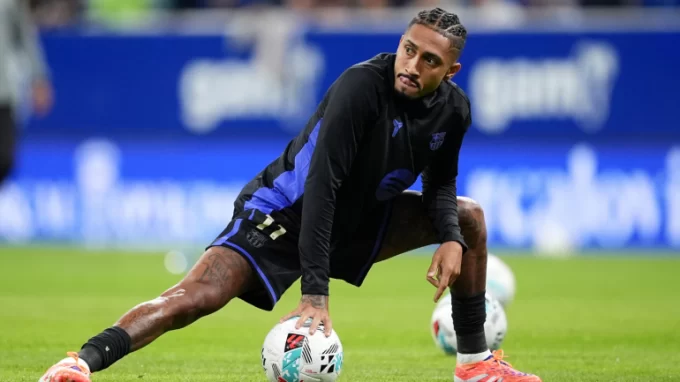
Barcelona’s Fragile Pursuit: When Injuries Threaten More Than Just a Season
A silence spreads over Camp Nou that no roar can drown out—two...
 Chris Marks2 Mins read
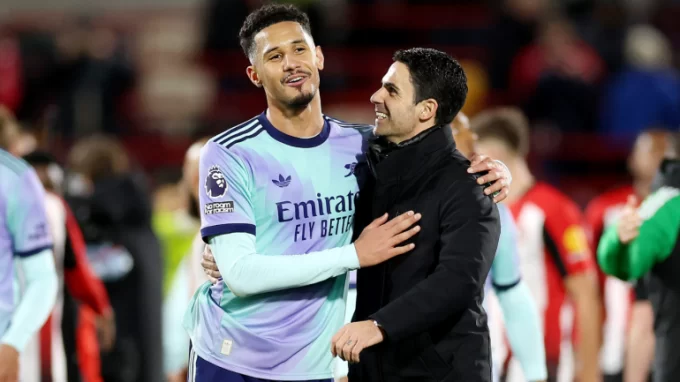
William Saliba: Arsenal’s Silent Architect or Its Greatest Gamble?
The air inside the Emirates shifts with unspoken tension—William Saliba, once a...
 Joseph Bennett2 Mins read
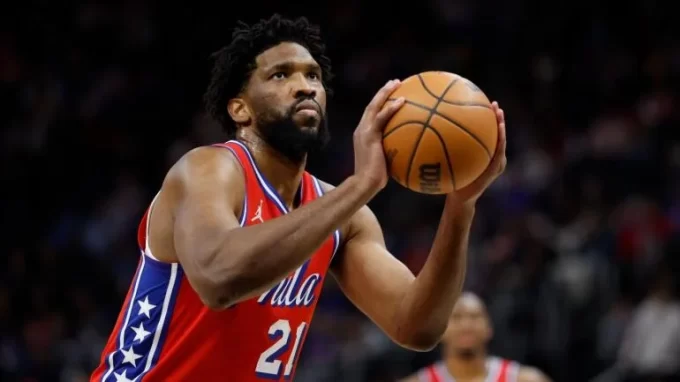
Joel Embiid’s Quiet Confidence: Is the 76ers’ Giant Ready to Rewrite His Story?
Joel Embiid is rarely one to make noise without purpose, and now,...
Kirsten Collins1 Mins read
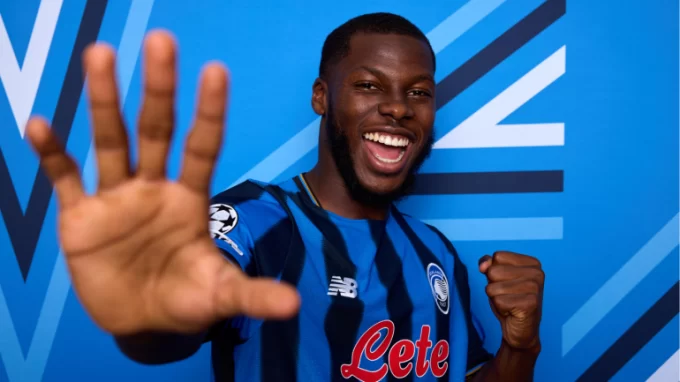
Juventus, Atalanta, and Arsenal’s Quiet Revolution: What’s Really Shaping This Week in Football?
The roar of Serie A stadiums masks a subtle shift, one that...
Kirsten Collins2 Mins read





Leave a comment