

Tin’s Silent Comeback: The Metal Powering Your Future (While You’re Not Looking)
Tin—long overshadowed by lithium and cobalt—is making a stealthy but significant comeback. This overlooked metal is suddenly everywhere, and its boom may redefine who controls the future of electronics.
 Krista FreelandApril 3, 20251 Mins read42
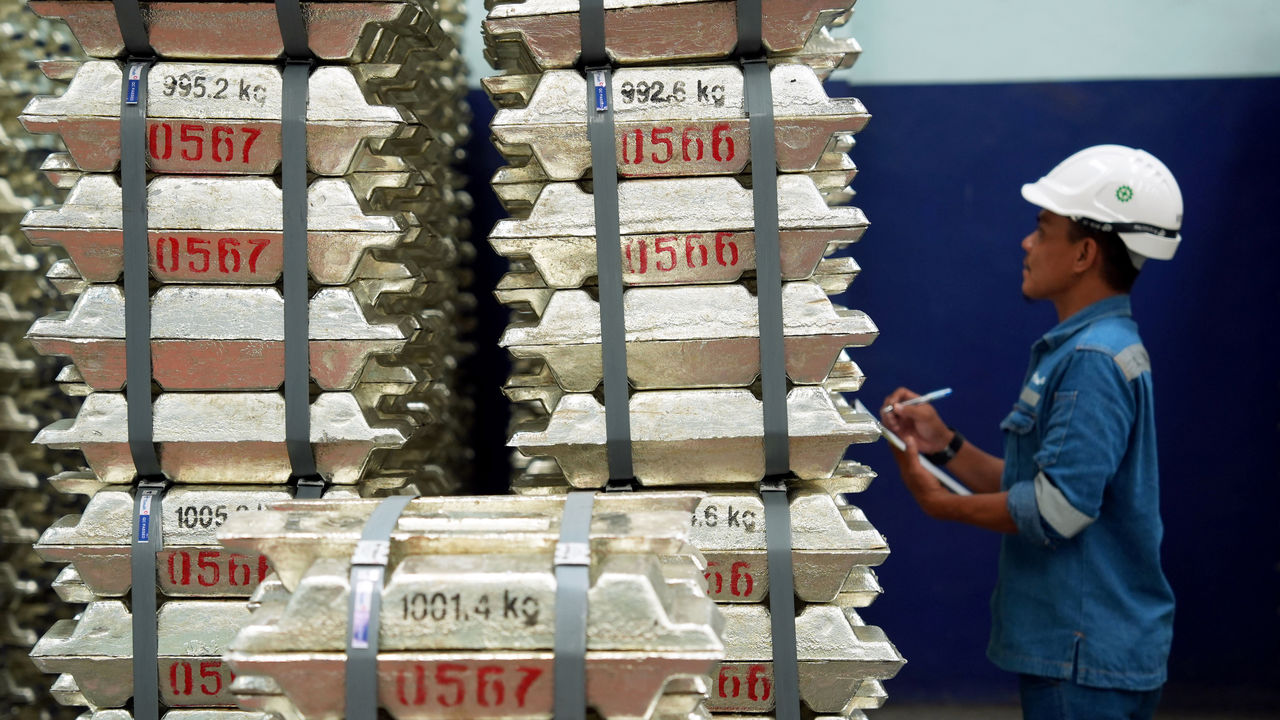
It doesn’t glitter like gold or fuel EV headlines like lithium. It doesn’t ride the geopolitical drama of rare earths or bask in Silicon Valley glow. And yet—tin, yes tin—is suddenly the metal to watch. Not because it’s trendy, but because it’s essential. And for decades, we simply weren’t paying attention.
Now, in 2025, tin is having a moment. Quietly. Powerfully. And with economic consequences that could reshape supply chains from Jakarta to Johannesburg.
The Metal Behind the Curtain
Tin’s role in modern technology is rarely center stage, but try assembling a circuit board without it. From soldering electronics to stabilizing solar panels and semiconductors, tin is the connective tissue of nearly every high-performance device we rely on—phones, laptops, EVs, smart homes. No tin, no current.
And here’s the twist: while we were busy chasing lithium and cobalt, global tin production has been stretched thin. Demand surged. Supply faltered. Prices spiked. And suddenly, governments began whispering what markets had already screamed—tin is critical. In fact, the International Energy Agency now lists it among the top metals essential for the energy transition.
Why the Boom Feels Different This Time
Historically, tin booms have been brief, tied to narrow industrial needs. But the 2025 surge is bigger—structural, not cyclical. It’s driven by an insatiable appetite for electrification, automation, and AI-scale computing. The problem? Tin isn’t mined in Silicon Valley. It comes from politically fragile ecosystems: Indonesia, Myanmar, the DRC. And unlike the copper or aluminum markets, tin’s global production is limited and poorly diversified.
This scarcity is where risk—and opportunity—collide. Investors are circling. Miners are scrambling. Smelters are under pressure. “It’s the most important metal nobody talks about,” says one commodities strategist, “which makes it the most dangerous one to ignore.”
The Geopolitical Undercurrent
As nations begin securing critical resources like chess pieces, tin’s invisibility may become its greatest liability. There are no major tin stockpiles. No backup plan. And China, the world’s largest refiner, holds the strategic upper hand. If trade tensions escalate or supply routes collapse, Western tech could stall not because of batteries—but because of solder.
That’s the quiet power of tin: subtle, systemic, and now impossible to overlook.







How Much Will Trump’s Policies Really Cost Wall Street?
When Donald Trump first took office, his policies were sold as a...
 Kirsten Collins2 Mins read

Milken 2025: The Party of the Rich, Amid a World Falling Apart
The night was electric in a way that only a private, star-studded...
 Joseph Bennett3 Mins read

Buffett, Cook, and the Quiet War for America’s Soul
There was a moment, barely a second long, when Warren Buffett’s smile...
Joseph Bennett3 Mins read

The Deception Behind the Deal: How Bait-and-Switch Pricing Is Shaping Our Desires
It’s the perfect price—a promise of a deal that seems too good...
Joseph Bennett3 Mins read




Leave a comment