

Why 2025’s Films Feel Like Invitations, Not Instructions
The 2025 movie calendar reads less like a business plan and more like a manifesto. Something strange is happening in cinema—and it might be exactly what Hollywood needs.
 Chris MarksAugust 5, 20252 Mins read18
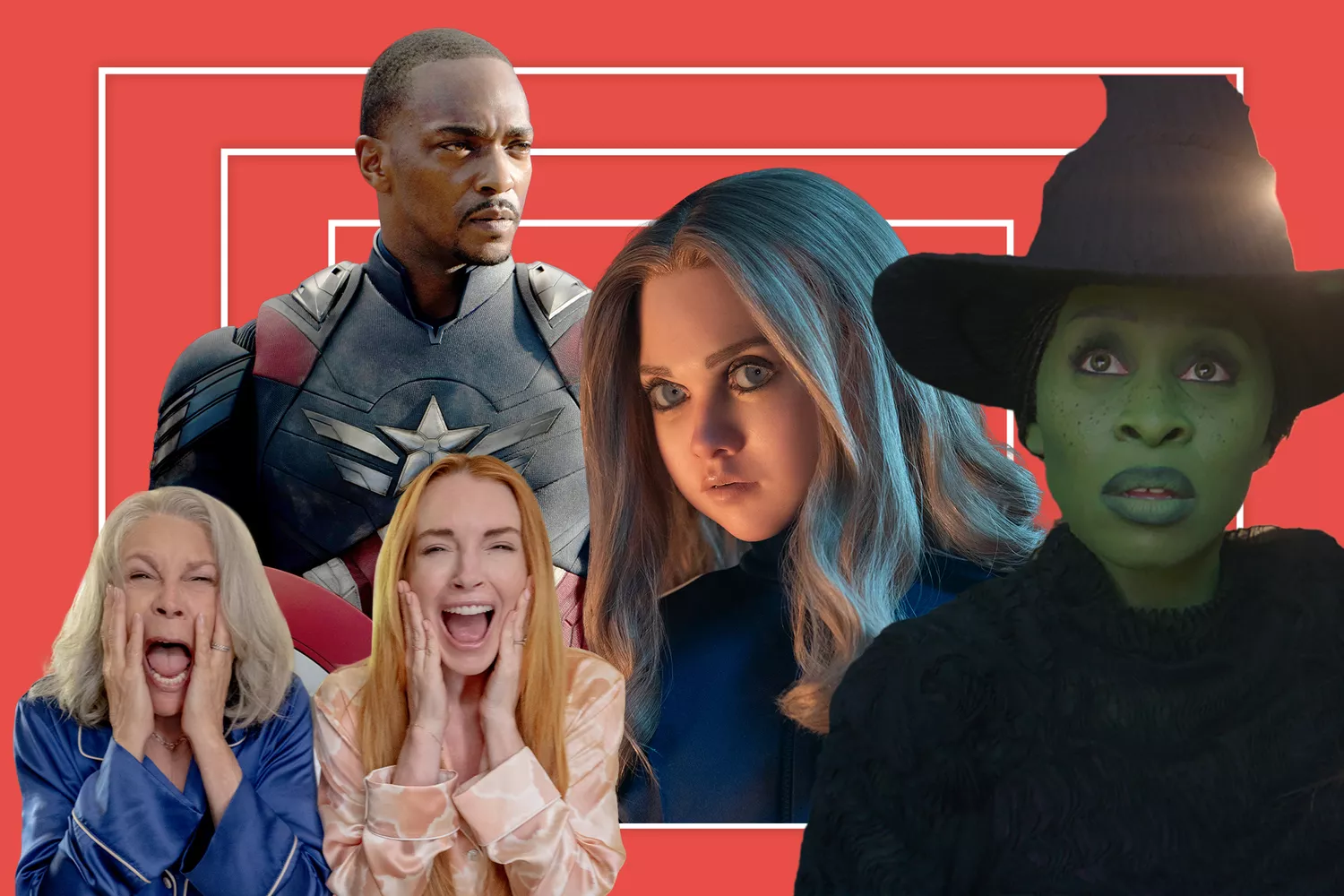
They don’t want your eyeballs—they want your allegiance. That’s the shift happening quietly behind the velvet ropes of the 2025 film slate. Scan the premiere calendar and you won’t just see dates and titles. You’ll see ideology, intention, and something closer to curation than distribution. The films aren’t merely “dropping.” They’re arriving with purpose, dressed in mood boards, algorithms, and a little bit of prayer.
There’s a reason this year’s release calendar looks less like a marketing rollout and more like a playlist for a very expensive, extremely well-dressed revolution. Dune: Messiah lands mid-March like a sermon, Mission: Impossible drifts to summer like a fading empire, and Greta Gerwig’s next outing is being guarded like it might carry the last strand of aesthetic DNA Hollywood has left. Studios used to sell movies. Now, they sell immersion. And the only way to make you stay is to make you feel like part of the narrative.
The Calendar as Cultural Mood Ring
Look closely: there are too many patterns to call it coincidence. The blockbusters have softened. The tentpoles no longer shout. Instead, there’s a whisper campaign of nostalgia, reinvention, and auteur-driven mythmaking. From Ridley Scott’s gladiators to Bong Joon-ho’s sci-fi fever dreams, the release dates feel spiritually timed—as if these films have been assigned their own constellations in a cinematic zodiac.
One producer, off record, called 2025 “the year we stop pretending the audience doesn’t know better.” What he meant was this: viewers aren’t hungry for content. They’re craving curation. And while the streaming wars promised buffet, we’re seeing a return to bespoke. Films that move like rare perfume—limited, intentional, and layered with story beneath the story.
Hollywood’s New Religion: Atmosphere Over Algorithm
The premieres themselves are being treated like tent revivals. Expect exclusivity, ritual, and language borrowed from fashion more than finance. You don’t just see a movie in 2025—you enter it. There are custom trailers like couture teasers, release windows timed to cultural moments (read: not seasons, but sentiment), and a general vibe that the audience is no longer a consumer, but a collaborator.
When I asked an exec why so many studios were leaning into mystery, he shrugged, “Because mystery is the only thing that still sells.” Maybe that’s why trailers have become more poetic than plot-revealing, why even casting announcements feel like they’ve been designed by an A.I. trained on Artforum and GQ. There’s a hunger to make us believe in the event again.
So what happens when the calendar starts behaving like a cultural artifact? You stop flipping through it like a schedule and start reading it like scripture.
Maybe the point isn’t just when a film premieres, but why. Maybe these dates are coded—signaling mood, memory, or a quiet rebellion against the algorithmic churn. Maybe the new gatekeepers of film aren’t greenlights, but vibes.
And maybe, just maybe, the calendar knows more about us than we do.



Pianist Omar Harfouch Brings Celebrated Figures Together for a Night of Cultural Exchange – Hollywood Life
Image Credit: Omar Harfouch On February 20, 2026, pianist and cultural figure...
 Kirsten Collins2 Mins read
Who Is Ivana Lisette Ortiz? About the Rihanna Home Shooting Suspect – Hollywood Life
Image Credit: WWD via Getty Images The suspect in the March 8,...
Kirsten Collins1 Mins read
How Much Money Does She Have Now? – Hollywood Life
Image Credit: WWD via Getty Images Rihanna may be known as one...
Kirsten Collins2 Mins read
Stars Who Slammed ‘Love Story: JFK Jr. & Carolyn Bessette’: Statements – Hollywood Life
Image Credit: Getty Images FX’s Love Story: John F. Kennedy Jr. and...
Kirsten Collins2 Mins read





Leave a comment