

When the Quiet Screams Fall Flat: The Thriller That Forgot to Thrill
Marketed as a pulse-pounding mystery, this small-town thriller whispers promises of suspense—then drifts into the very dullness it tried to condemn.
 Kirsten CollinsApril 1, 20251 Mins read103

The mailbox is rusted. The wind is still. And somewhere, someone is already dead. From the first few frames of A Small Town Thriller That Loses Its Edge, it’s clear what kind of story this wants to be. The fog-draped streets, the brooding sheriff with a bruised past, the townspeople who look away too quickly—every element clicks into place like a genre bingo card.
And maybe that’s the problem. The film never stops checking boxes long enough to check its pulse.
The premise? A tight-knit town unraveling after a grisly murder. But while the setup promises dread, what follows is a slow trickle of clues, half-formed motives, and red herrings too bland to bite. It’s not that the pacing is slow. It’s that it’s sleepy.
The Danger of Leaning on Atmosphere Alone
There’s something seductive about small-town stories—their quiet menace, the suspicion in every glance, the way nothing is ever just what it seems. But atmosphere, without stakes, becomes aesthetic. And this film is drowning in it.
At one point, a deputy mutters, “Everyone here’s got something to hide.” But the script never bothers to truly uncover it. What we get instead are scenes that simmer without boiling, characters that brood without reason, and revelations that land like a dropped phone—startling, but never shattering.
It Was Never the Town—It Was the Writing
Midway through the film, it becomes clear: this isn’t a thriller—it’s a shadow of one. The cinematography tries to do the heavy lifting with moody stillness and lingering shots, but what’s missing is the narrative muscle to carry it through. By the time the killer is revealed, the reaction isn’t shock. It’s indifference. Not because the twist was bad—but because the build-up never earned the emotional payoff.
And that’s the true letdown. Not that the film plays it safe—but that it confuses quiet for tension, and slow for smart.
In the end, the town remains. The secrets fade. And the only real mystery is how a film with all the right ingredients somehow left us starving for suspense.








5 Things About the New HBO ‘Harry Potter’ Star – Hollywood Life
Image Credit: Aidan Monaghan/HBO Dominic McLaughlin may be a newcomer to Hollywood,...
Kirsten Collins1 Mins read

Why Is Sora Shutting Down? Inside the Closure of the OpenAI App – Hollywood Life
Image Credit: NurPhoto via Getty Images Sora, the first standalone OpenAI app...
Kirsten Collins2 Mins read
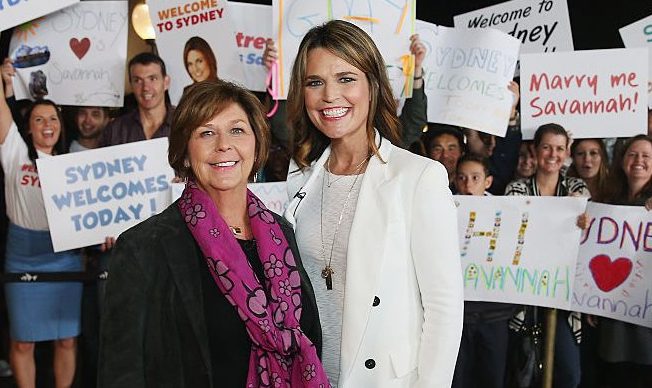
Is Savannah Guthrie Coming Back to the ‘Today’ Show? What We Know – Hollywood Life
Image Credit: Getty Images Savannah Guthrie has stepped away from the Today show...
Kirsten Collins2 Mins read
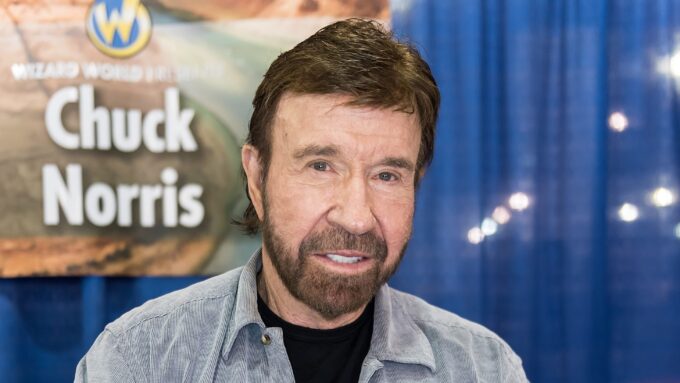
How Did Chuck Norris Die? Updates on the Late Actor’s Cause of Death – Hollywood Life
View gallery Image Credit: Getty Images Chuck Norris, the actor and martial...
Kirsten Collins2 Mins read





Leave a comment