

Trading Tomorrow: Why the Pacers Gambled Their 2025 First-Round Pick
In a move that has raised eyebrows and questions alike, the Pacers traded away their 2025 first-round draft pick to the Pelicans—not for immediate gain, but for a cryptic “future pick.” What does this mean for their strategy and the unfolding narrative of the franchise?
 Joseph BennettJune 17, 20251 Mins read54

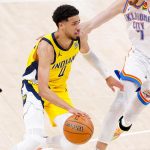
The sharp click of a deal closing echoed louder than the usual chatter in NBA circles. The Indiana Pacers have traded their prized 2025 first-round pick to the New Orleans Pelicans — but not for the typical flash-in-the-pan asset. Instead, they accepted a future pick from their own roster, a move wrapped in layers of strategy and uncertainty. What is the Pacers’ true game here? A savvy long-term vision or a sign of internal recalibration?
In the high-stakes chessboard of the NBA draft, this trade feels less like a piece moved and more like a gambit — one that demands a deeper look beneath the surface numbers and press releases.
When Patience Outweighs Instant Gratification
At first glance, swapping a guaranteed 2025 first-rounder for a future pick from their own franchise appears counterintuitive. Why relinquish what could be a top-tier talent in favor of… a promise yet to be realized? But the Pacers’ front office may be betting on timing — on the future shape of the league, their roster, and draft dynamics.
As one insider put it, “Sometimes the value lies not in what you have today, but what you can control tomorrow.” This isn’t just asset management; it’s an exercise in foresight, patience, and perhaps a quiet acknowledgement that the present moment requires flexibility more than immediate firepower.
The Whispered Risk: Strategy or Signal?
Yet, beneath the surface, questions loom. Is this a sign of confidence in the team’s current trajectory, suggesting that future picks—however vague—will hold more promise? Or does it hint at something less certain, a subtle admission that the 2025 draft slot may not carry the expected weight?
Trade whispers are never accidental. The Pelicans, savvy themselves, must see value that others miss. Meanwhile, fans and analysts are left to parse the real meaning: Are the Pacers setting the stage for a rebuild measured in years rather than games? Or is this a deliberate sidestep, a way to hedge bets in a mercurial league?
The Pacers’ trade raises more than eyebrows—it invites a meditation on the nature of value, time, and the unseen calculus behind every draft-day decision. When tomorrow becomes more precious than today, what else is the team willing to trade for a chance at something better? The answer lies somewhere in the shadows of future picks and whispered promises—waiting, like the draft itself, to be revealed.




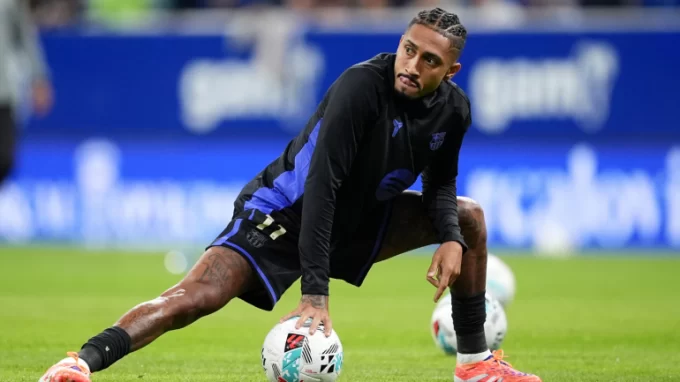
Barcelona’s Fragile Pursuit: When Injuries Threaten More Than Just a Season
A silence spreads over Camp Nou that no roar can drown out—two...
 Chris Marks2 Mins read
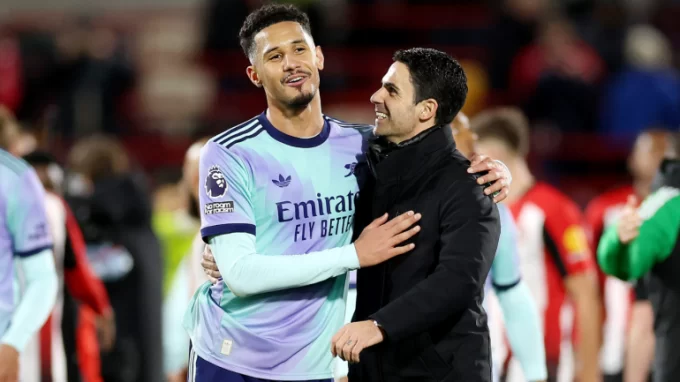
William Saliba: Arsenal’s Silent Architect or Its Greatest Gamble?
The air inside the Emirates shifts with unspoken tension—William Saliba, once a...
Joseph Bennett2 Mins read
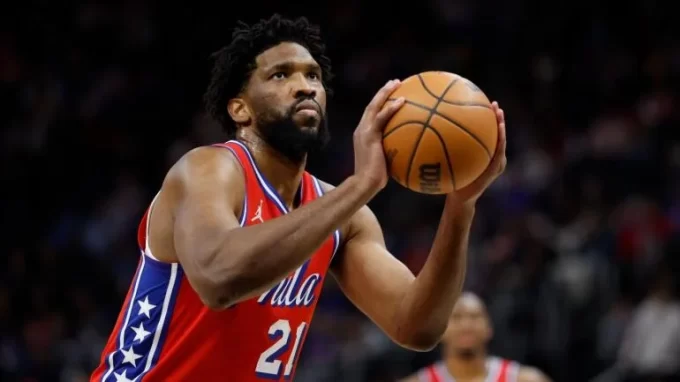
Joel Embiid’s Quiet Confidence: Is the 76ers’ Giant Ready to Rewrite His Story?
Joel Embiid is rarely one to make noise without purpose, and now,...
 Kirsten Collins1 Mins read
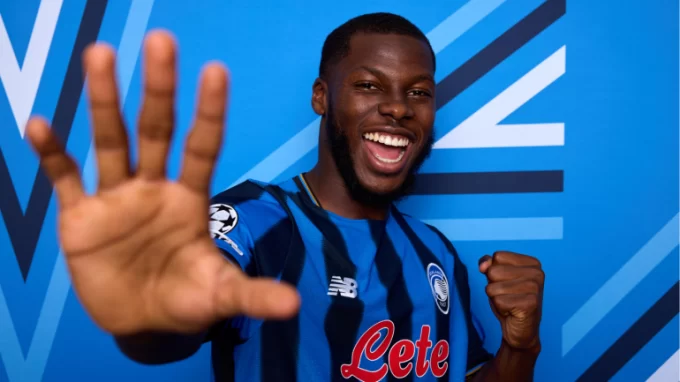
Juventus, Atalanta, and Arsenal’s Quiet Revolution: What’s Really Shaping This Week in Football?
The roar of Serie A stadiums masks a subtle shift, one that...
Kirsten Collins2 Mins read





Leave a comment