

Be Careful What You Wish For: Aladdin’s Descent into the Monstrous
In a daring reimagining, The Monkey’s Paw doesn’t just haunt wishes—it corrupts them. And in its shadow, even Aladdin becomes something unspeakable.
 Chris MarksApril 16, 20252 Mins read34
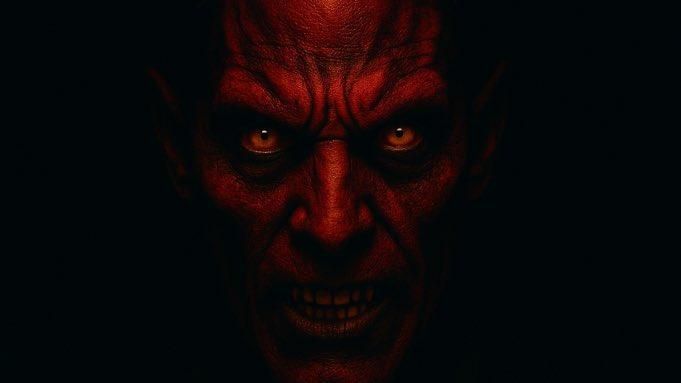
The genie doesn’t smile anymore.
He stares. And waits. Because in this new cinematic nightmare, the lamp is no longer a beacon of wonder, but a trapdoor to torment—and Aladdin, once the poster boy for charm and cunning, is now something much darker. A cautionary figure. A monster built from the bones of a wish.
The Monkey’s Paw, as reimagined in Showline’s sharp, unsettling short film, doesn’t whisper its warnings. It screams them. And standing at the center of its echo: a version of Aladdin you were never meant to meet. This isn’t Disney. This is something older. Hungrier. And terrifyingly familiar.
A Wish is a Blade—It Cuts Both Ways
What happens when the architecture of desire collapses under its own weight? The film doesn’t offer a moral—it offers a mirror. In it, Aladdin becomes consumed by the very power he once wielded so effortlessly. One wish for wealth bleeds into another for control. And soon, the street rat is no longer chasing a dream—he’s orchestrating a nightmare.
There’s a scene—brief, brutal—where Aladdin doesn’t flinch as the genie begs him to stop. “You asked for this,” the genie says, trembling. “No,” Aladdin replies coldly, “I wished for it.” That line, delivered with such precision it almost sounds biblical, lingers like incense in a burned-out temple.
It begs the question: Was it always the magic that was cursed? Or was it the man holding the lamp?
Fairy Tales Don’t End—They Rot
This version of Aladdin peels the gold leaf off nostalgia and reveals something raw beneath—ambition without boundary, want without wisdom. It’s a fairy tale unmasked. The story we once saw as a triumph of the underdog is now recast as a psychological descent—a character study in moral erosion.
And maybe that’s the point. Maybe the magic never saved him. Maybe it only amplified what was already there: envy, hunger, and an ache to never be small again.
We keep telling ourselves these stories will comfort us. That the lamp grants wishes, that the hero wins, that three words can change a life. But maybe the truth is more ancient than that. Maybe wishes were never meant to save anyone. Maybe they were warnings, dressed as hope.
And now, when we whisper be careful what you wish for, do we still mean it as a joke? Or are we finally starting to understand who the wish is really for?





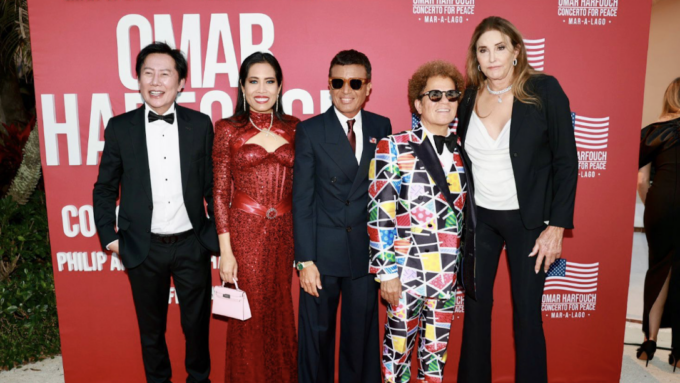
Pianist Omar Harfouch Brings Celebrated Figures Together for a Night of Cultural Exchange – Hollywood Life
Image Credit: Omar Harfouch On February 20, 2026, pianist and cultural figure...
 Kirsten Collins2 Mins read

Who Is Ivana Lisette Ortiz? About the Rihanna Home Shooting Suspect – Hollywood Life
Image Credit: WWD via Getty Images The suspect in the March 8,...
Kirsten Collins1 Mins read
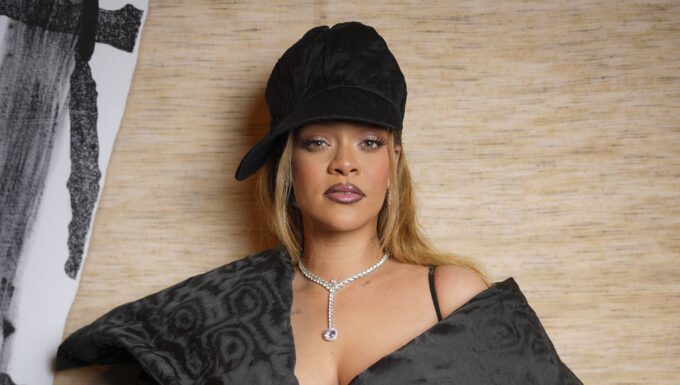
How Much Money Does She Have Now? – Hollywood Life
Image Credit: WWD via Getty Images Rihanna may be known as one...
Kirsten Collins2 Mins read
Stars Who Slammed ‘Love Story: JFK Jr. & Carolyn Bessette’: Statements – Hollywood Life
Image Credit: Getty Images FX’s Love Story: John F. Kennedy Jr. and...
Kirsten Collins2 Mins read





Leave a comment